
The beheading of St John the Baptist — History & Facts
In the stillness of The Beheading of St. John the Baptist, the weight of reverence and terror hangs palpably in the air. This moment captures not only a physical act but the profound moral and spiritual questions surrounding it, inviting viewers to confront their own beliefs as they witness the unfolding tragedy. Focus first on the central figure, where the deep, shadowy tones draw your gaze to the solemnity etched upon St.
John’s face. Notice how the light illuminates his serene expression, contrasting sharply with the brutal act being carried out just beyond him. The composition is a masterclass in chiaroscuro, with dynamic contrasts between light and dark that heighten the emotional stakes of this pivotal moment.
The figures around the executioner are cloaked in shadows, their gestures frozen in a mix of anticipation and horror, while the rich palette creates an atmosphere steeped in both dread and awe. Look closer at the intricate details—the blood staining the ground, the tension in the executioner’s grip, and the way the onlookers’ expressions range from fascination to revulsion. Each element serves to amplify the narrative tension, balancing the horror of violence with the serenity of John’s acceptance. This juxtaposition evokes a complex emotional landscape, forcing the viewer to grapple with themes of martyrdom, sacrifice, and the nature of justice. In 1640, Rembrandt was immersed in a period of personal and professional transformation, grappling with loss and artistic challenges.
Painted in Amsterdam, this work reflects not only his mastery of light and shadow but also the turbulent climate of the Dutch Republic, where questions of faith and morality permeated society. It stands as a testament to his ability to convey deep emotional resonance through the painted canvas, capturing the essence of human experience amidst turmoil.
More Artworks by Rembrandt van Rijn
Browse all →
The Night Watch Militia Company of District II under the Command of Captain Frans Banninck Cocq
Rembrandt van Rijn

The Return of the Prodigal Son
Rembrandt van Rijn

The Hundred Guilder Print: the figures leaning on the wall in the centre left
Rembrandt van Rijn

The Hundred Guilder Print: the central piece with Christ preaching, the plate arched
Rembrandt van Rijn

Isaac and Rebecca, Known as ‘The Jewish Bride’
Rembrandt van Rijn
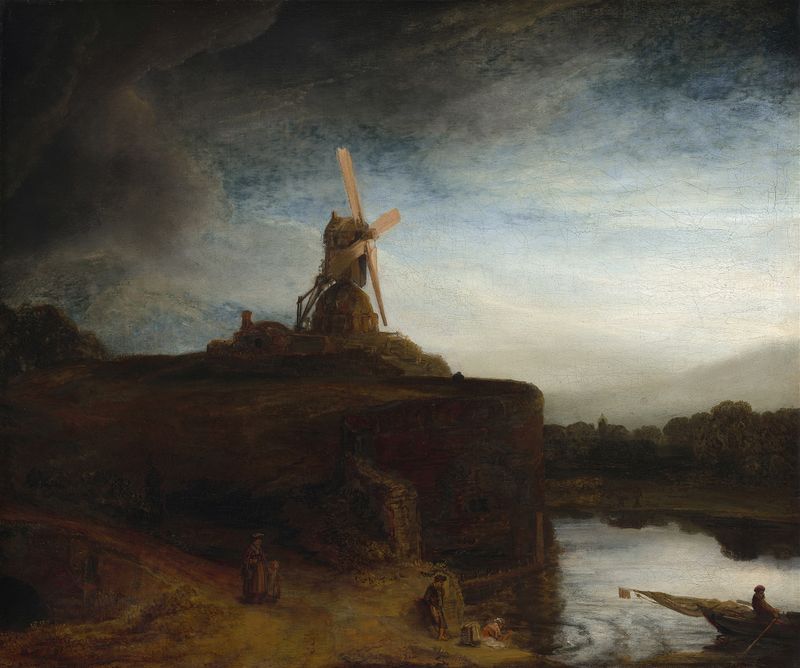
The Mill
Rembrandt van Rijn

The Sampling Officials of the Amsterdam Drapers’ Guild, Known as ‘The Syndics’
Rembrandt van Rijn

The return of the prodigal son
Rembrandt van Rijn
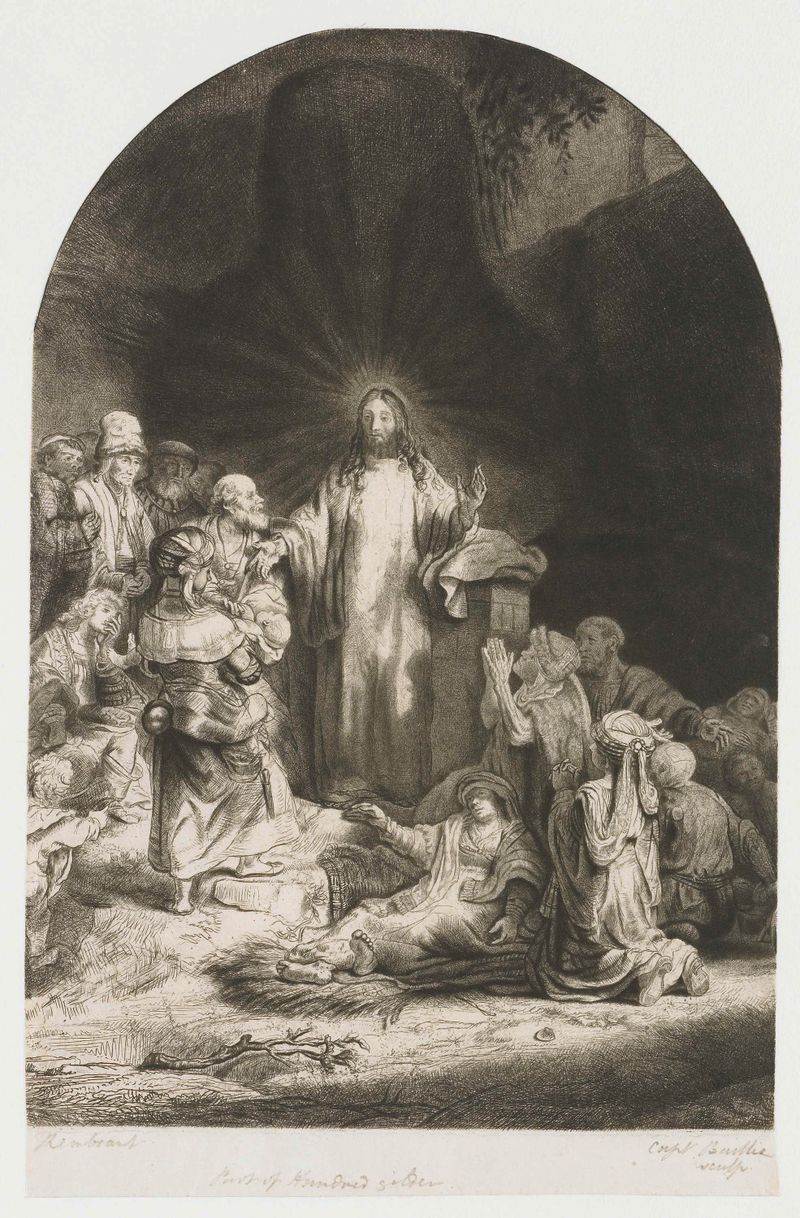
The Hundred Guilder Print: the central piece with Christ preaching, the plate arched
Rembrandt van Rijn

The Hundred Guilder Print: the man seen on the back in the lower left corner
Rembrandt van Rijn
More Religious Art
Browse all →The Return of the Prodigal Son
Rembrandt van Rijn

The Garden of Earthly Delights
El Bosco

Count Orgaz’ funeral
El Greco
The Hundred Guilder Print: the central piece with Christ preaching, the plate arched
Rembrandt van Rijn

The Descent from the Cross
Rogier van der Weyden
The return of the prodigal son
Rembrandt van Rijn