
The beheading of St John the Baptist — History & Facts
In the stillness of art, where reality dances with illusion, the truth often hides in plain sight. Look to the center of the canvas, where the figure of St. John is poised in a moment of stark, frozen tension. The sharp contrast of light and dark draws your gaze to his pale, resigned visage, illuminated against the encroaching shadows that envelop the figures around him.
Notice how the rich, earthy tones of the surrounding fabric and skin create a depth that invites the viewer closer, while the blood-red drapery serves as both a harbinger of violence and an anchor to the scene’s gravity. Explore the intricate details that reveal emotional layers: the grim determination on the executioner’s face, the almost detached curiosity of the onlookers, and the glistening blade that hangs in the air, poised to fulfill its grim task. Each stroke of Rembrandt’s brush conveys an uneasy stillness, a dichotomy of action and reflection. The composition, with its diagonal lines and strategic placement, creates a sense of impending doom while simultaneously allowing a moment for contemplation about sacrifice and martyrdom. Created between 1850 and 1906, this work reflects a period of profound social and artistic shifts for the artist.
During these years, he explored not only the depths of the human condition but also the complexities of illusion versus reality in his art. Although painted during a time of great personal and financial struggle, his dedication to capturing the human experience in bold, evocative manners remained unwavering. This piece stands as a testament to his enduring legacy, challenging viewers to confront the weighty themes of faith and consequence.
More Artworks by Rembrandt van Rijn
Browse all →
The Night Watch Militia Company of District II under the Command of Captain Frans Banninck Cocq
Rembrandt van Rijn

The Return of the Prodigal Son
Rembrandt van Rijn

The Hundred Guilder Print: the figures leaning on the wall in the centre left
Rembrandt van Rijn

The Hundred Guilder Print: the central piece with Christ preaching, the plate arched
Rembrandt van Rijn

Isaac and Rebecca, Known as ‘The Jewish Bride’
Rembrandt van Rijn
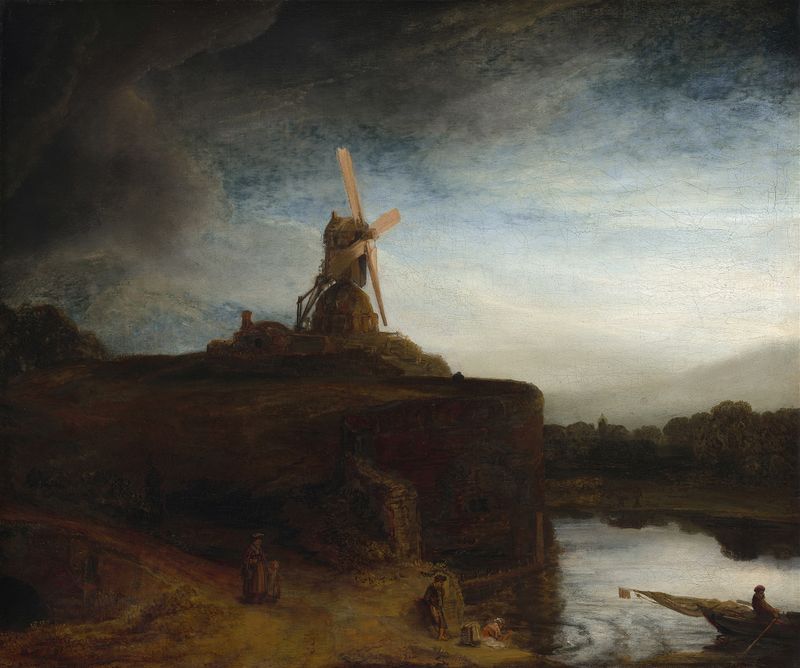
The Mill
Rembrandt van Rijn

The Sampling Officials of the Amsterdam Drapers’ Guild, Known as ‘The Syndics’
Rembrandt van Rijn

The return of the prodigal son
Rembrandt van Rijn
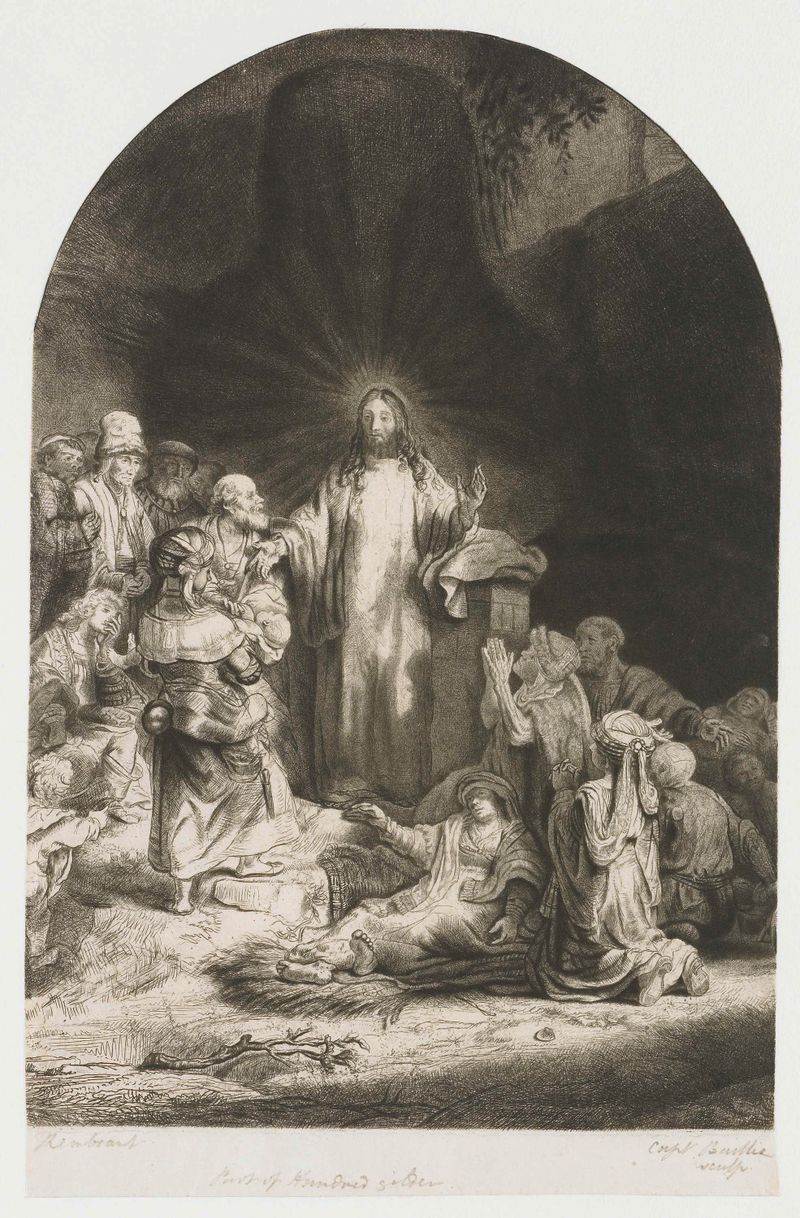
The Hundred Guilder Print: the central piece with Christ preaching, the plate arched
Rembrandt van Rijn

The Hundred Guilder Print: the man seen on the back in the lower left corner
Rembrandt van Rijn
More Religious Art
Browse all →The Return of the Prodigal Son
Rembrandt van Rijn

The Garden of Earthly Delights
El Bosco

Count Orgaz’ funeral
El Greco
The Hundred Guilder Print: the central piece with Christ preaching, the plate arched
Rembrandt van Rijn

The Descent from the Cross
Rogier van der Weyden
The return of the prodigal son
Rembrandt van Rijn