
The beheading of St John the Baptist — History & Facts
What if beauty was never meant to be finished? This question lingers like a whisper amid the shadows and light of a moment captured in time, where obsession dances dangerously close to the edge of despair. Focus on the stark contrast in light and shadow throughout the canvas. The central figure of Saint John, illuminated with a divine glow, draws the eye immediately. This masterful chiaroscuro technique not only highlights the gravity of the beheading but also imbues the martyr’s serene expression with an unsettling tranquility.
Notice the somber palette of earth tones, punctuated by the vibrant red of the blood, which both captivates and repulses, urging the viewer to confront their emotions head-on. The meticulous detailing of expressions reveals a world of emotional tension—the reverent gaze of the executioner, the horror etched on the onlookers' faces, and the mournfulness in the figures that surround the scene speak to an obsession with fate, sacrifice, and the human condition. Rembrandt intricately intertwines themes of mortality and the divine, suggesting that beauty often emerges from the most harrowing of experiences, leaving the viewer to contemplate the complexities of existence and the cost of obsession. Created in 1640 during his time in Amsterdam, Rembrandt was deeply engaged in exploring themes of spirituality and human emotion. This period marked a turning point in his career, as he moved towards a more expressive style.
The art world was rife with competition, and Rembrandt’s unique approach to storytelling through light and shadow set him apart, solidifying his legacy as one of the great masters of baroque painting.
More Artworks by Rembrandt van Rijn
Browse all →
The Night Watch Militia Company of District II under the Command of Captain Frans Banninck Cocq
Rembrandt van Rijn

The Return of the Prodigal Son
Rembrandt van Rijn

The Hundred Guilder Print: the figures leaning on the wall in the centre left
Rembrandt van Rijn

The Hundred Guilder Print: the central piece with Christ preaching, the plate arched
Rembrandt van Rijn

Isaac and Rebecca, Known as ‘The Jewish Bride’
Rembrandt van Rijn
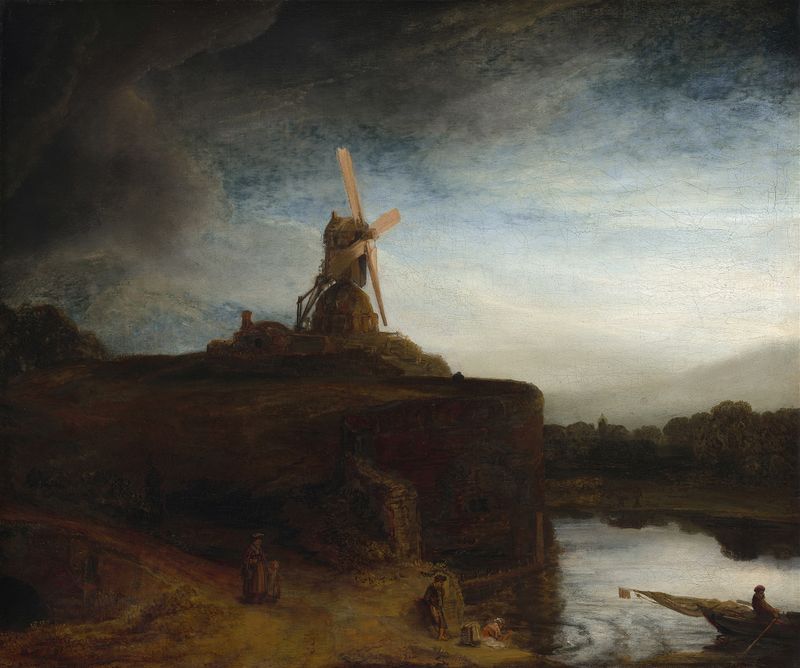
The Mill
Rembrandt van Rijn

The Sampling Officials of the Amsterdam Drapers’ Guild, Known as ‘The Syndics’
Rembrandt van Rijn

The return of the prodigal son
Rembrandt van Rijn
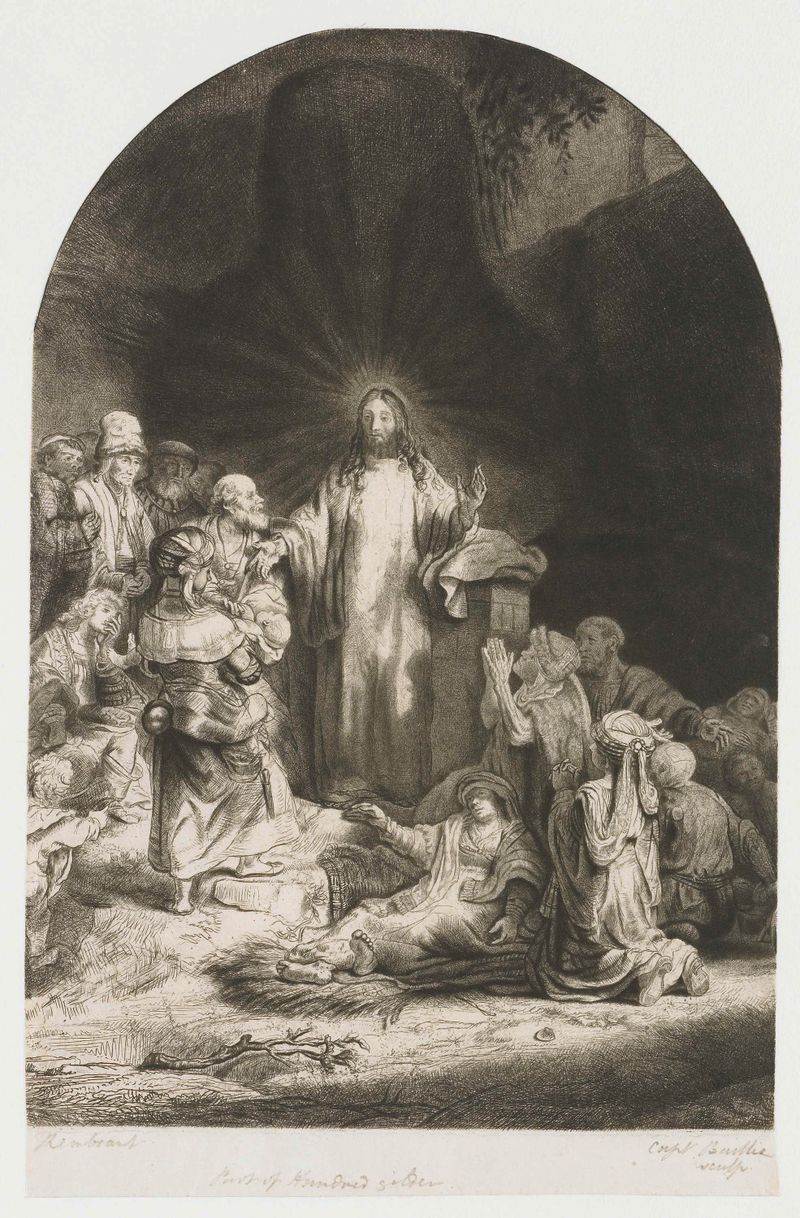
The Hundred Guilder Print: the central piece with Christ preaching, the plate arched
Rembrandt van Rijn

The Hundred Guilder Print: the man seen on the back in the lower left corner
Rembrandt van Rijn
More Religious Art
Browse all →The Return of the Prodigal Son
Rembrandt van Rijn

The Garden of Earthly Delights
El Bosco

Count Orgaz’ funeral
El Greco
The Hundred Guilder Print: the central piece with Christ preaching, the plate arched
Rembrandt van Rijn

The Descent from the Cross
Rogier van der Weyden
The return of the prodigal son
Rembrandt van Rijn