The Birth of Adonis — History & Facts
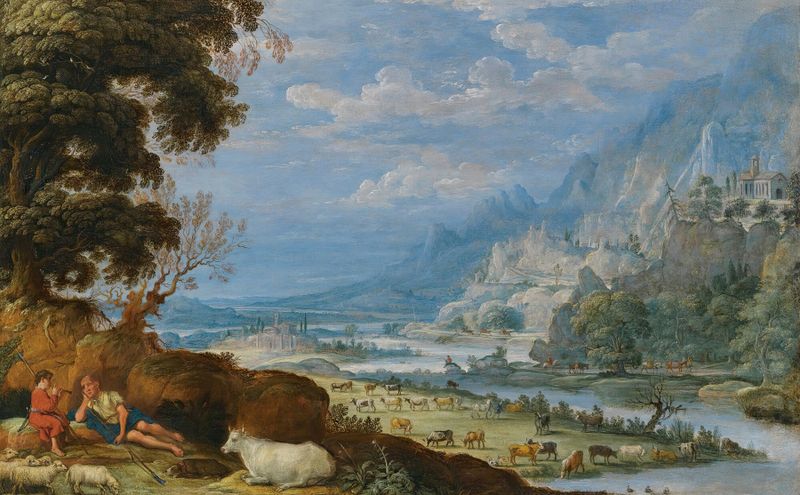
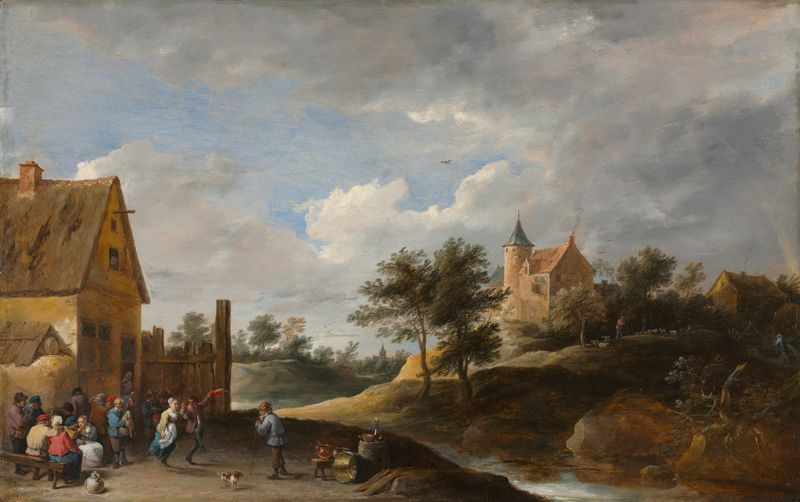
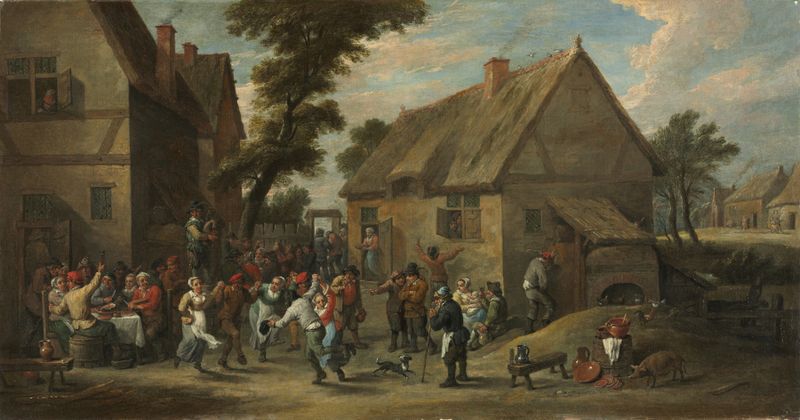
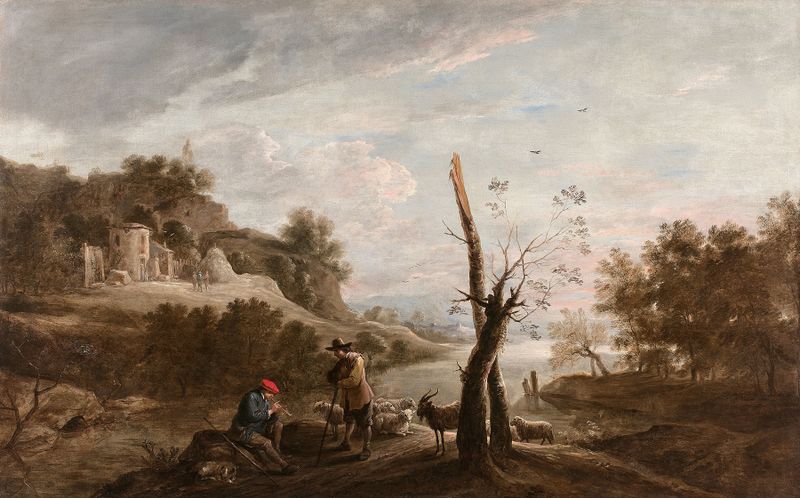
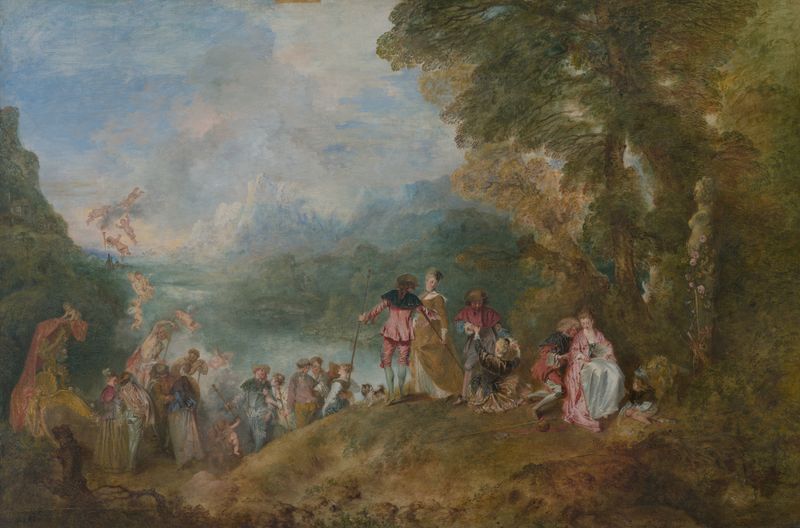
In an ancient, sun-drenched glade, figures converge around a cradle woven from the earth itself. A gentle breeze stirs the leaves, while soft sunlight bathes the scene in warmth, contrasting the tension thick in the air. The spectators, a mix of ethereal beings and curious mortals, peer with a blend of awe and sorrow at the newly born Adonis, whose future is as uncertain as the cries echoing in the woods. Look to the center, where the delicate figure of the infant lies cradled amid flowers and greenery, symbolizing both birth and fragility.
Beams of light pour through the trees, illuminating Adonis’s serene face, while shadows flicker around the edges, hinting at the darkness that accompanies life's joys. The artist's deft brushwork captures a vivid tapestry of emotions — the hope of new life juxtaposed with the inevitable grief that follows, evident in the lamenting expressions of the surrounding figures. Beneath the painter’s vibrant palette lies an exploration of duality — the joy of creation paired with the specter of loss. The visceral tension is palpable in the contrasting poses; some figures exhibit elation, while others are marred by sorrow, their downcast eyes reflecting the weight of destiny.
Flowers, symbols of transience, encircle the cradle, serving as a potent reminder of both beauty and mortality, inviting viewers to ponder the fleeting nature of existence. During the early 17th century, while working in Antwerp, Teniers was immersed in the burgeoning Baroque movement, a time marked by dramatic emotional expression and increased attention to detail. The Birth of Adonis, completed between 1600 and 1605, showcases his unique ability to blend mythological themes with human emotion, capturing the zeitgeist of a world grappling with the dichotomies of life and death.