
The blindness of Tobit: the larger plate — History & Facts
In a realm where sight can be both a gift and a burden, an awakening is often found in the overlooked. In The Blindness of Tobit, a poignant narrative unfolds, revealing the depths of human experience through both darkness and illumination. Focus first on the central figure of Tobit, seated in deep shadow, his expression a mixture of resignation and vulnerability. The interplay of light and dark is masterfully rendered, with a single shaft illuminating his averted face, symbolizing both hope and despair.
Notice how the intricate textures of the garments contrast against the softened contours of his lined skin, each fold whispering stories of struggle. The muted palette enhances this sense of melancholy, drawing the viewer into an intimate confrontation with his plight. Beneath the surface lies a tapestry of contrasts: the visual starkness of blindness against the brilliance of divine intervention, and the painful isolation of human suffering juxtaposed with familial love. The presence of his wife, Anna, just beyond the edge of the canvas, speaks to the unseen emotional support that surrounds him—a reminder that even in darkness, one is never truly alone.
This careful composition invites the viewer to contemplate the essence of compassion, as both an act of witnessing and a shared burden. In 1651, Rembrandt painted this work during a turbulent period marked by personal loss and societal upheaval. Living in Amsterdam, he faced financial struggles and the death of his beloved wife. Such experiences permeated his artistry, reflecting an evolving understanding of humanity's frailties.
This painting serves not only as a powerful visual narrative but also as a testament to the artist's own journey through suffering and rebirth.
More Artworks by Rembrandt van Rijn
Browse all →
The Night Watch Militia Company of District II under the Command of Captain Frans Banninck Cocq
Rembrandt van Rijn

The Return of the Prodigal Son
Rembrandt van Rijn

The Hundred Guilder Print: the figures leaning on the wall in the centre left
Rembrandt van Rijn

The Hundred Guilder Print: the central piece with Christ preaching, the plate arched
Rembrandt van Rijn

Isaac and Rebecca, Known as ‘The Jewish Bride’
Rembrandt van Rijn
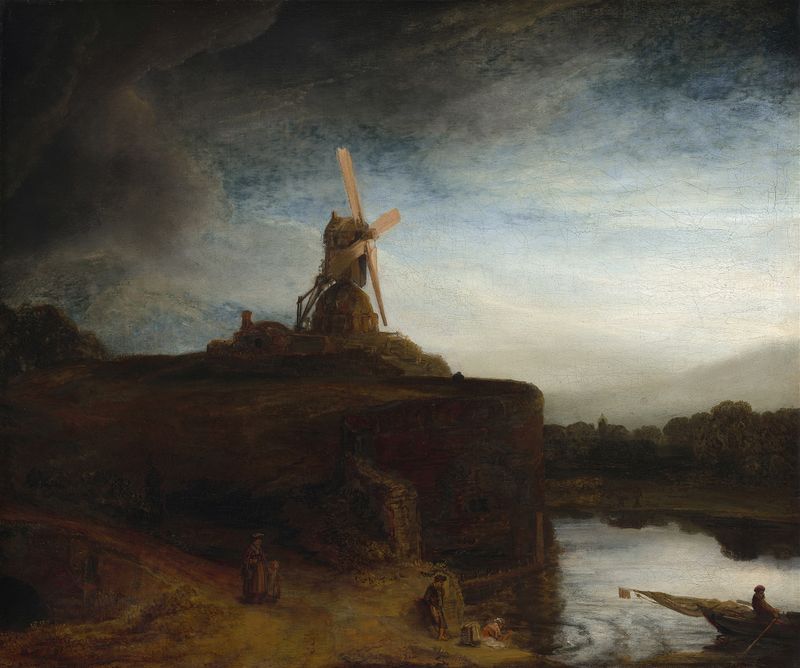
The Mill
Rembrandt van Rijn

The Sampling Officials of the Amsterdam Drapers’ Guild, Known as ‘The Syndics’
Rembrandt van Rijn

The return of the prodigal son
Rembrandt van Rijn
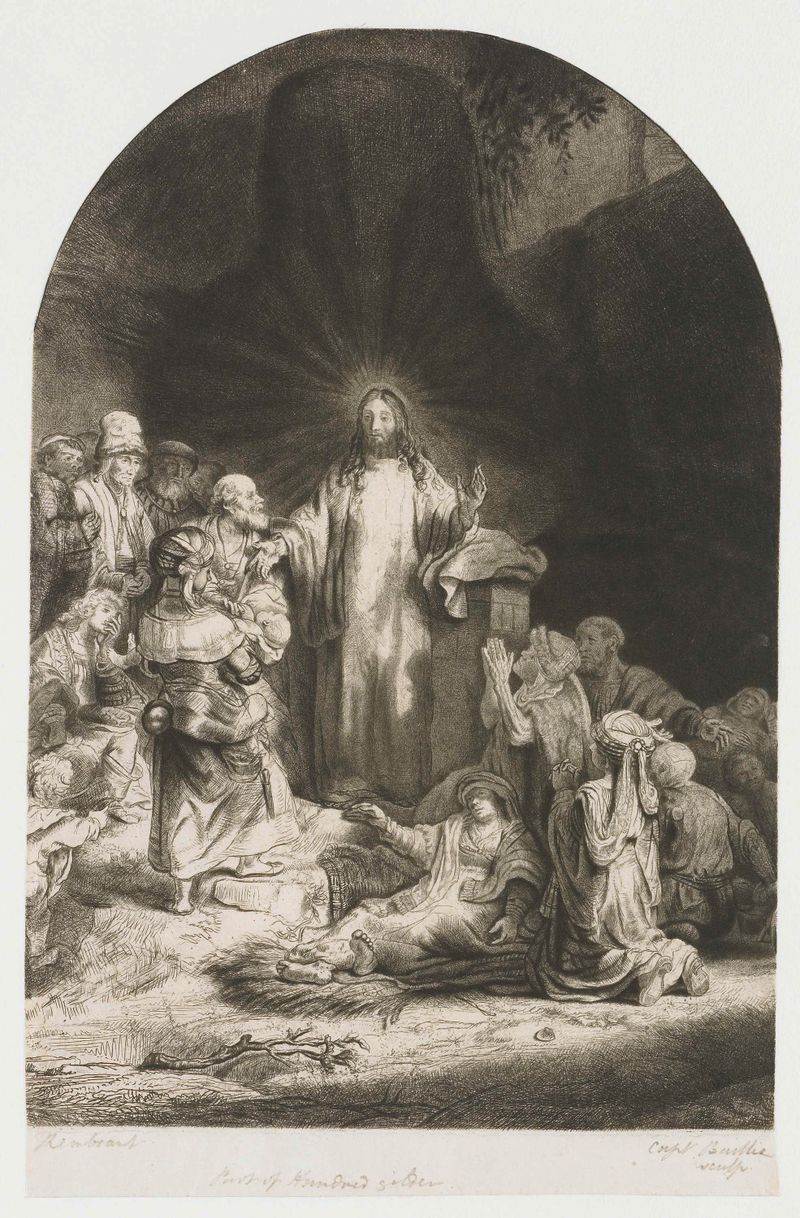
The Hundred Guilder Print: the central piece with Christ preaching, the plate arched
Rembrandt van Rijn

The Hundred Guilder Print: the man seen on the back in the lower left corner
Rembrandt van Rijn
More Religious Art
Browse all →The Return of the Prodigal Son
Rembrandt van Rijn

The Garden of Earthly Delights
El Bosco

Count Orgaz’ funeral
El Greco
The Hundred Guilder Print: the central piece with Christ preaching, the plate arched
Rembrandt van Rijn

The Descent from the Cross
Rogier van der Weyden
The return of the prodigal son
Rembrandt van Rijn