
The bombardment of Algiers, 27 August 1816 — History & Facts
In a time defined by conflict and chaos, the canvas becomes a sanctuary for awakening, offering a glimpse into the human condition amidst turmoil. Look to the center of the composition, where ships loom ominously against a tumultuous sky, their sails catching the light like ghosts from a bygone era. Focus on the contrasting colors—the earthy tones of the land juxtaposed with the vibrant blues of the sea. This chiaroscuro not only defines the physical elements but also evokes the emotional weight of the scene, inviting viewers to explore the tension between destruction and resilience. Delve deeper into the anxiety captured in the brushstrokes; each wave seems to echo the roar of cannon fire, while the distant figures of defenders hint at desperation and courage.
The placement of shadows accentuates the impending doom, while flecks of light symbolize fleeting hope. There is a palpable contrast between the chaotic energy of combat and the serene beauty of the landscape, urging the audience to contemplate the duality of human experience. In 1841, John Christian Schetky painted this powerful narrative during a time when the art world was grappling with Romantic ideals. Living in Scotland, he was influenced by his exposure to military history and the evolving artistic responses to war.
This piece reflects not only personal expression but also the broader societal reflections on conflict, capturing a moment that speaks to both the artist's journey and the tumult of his time.
More Artworks by John Christian Schetky
Browse all →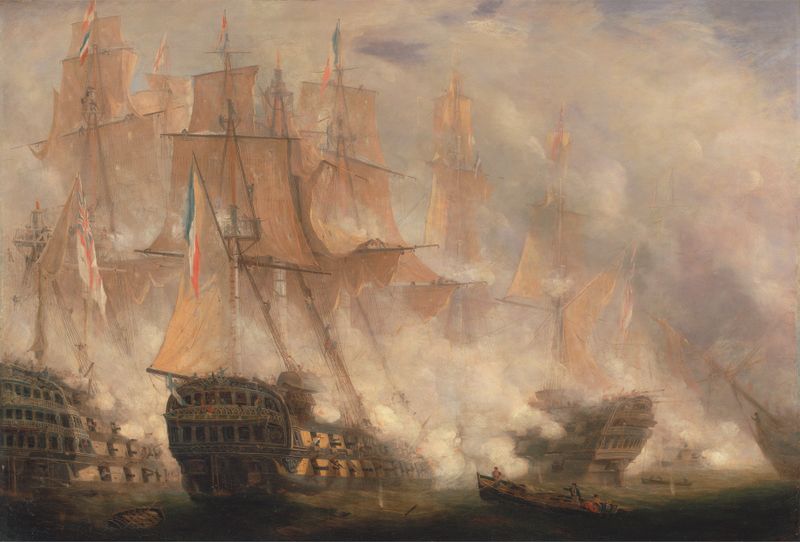
The Battle of Trafalgar
John Christian Schetky
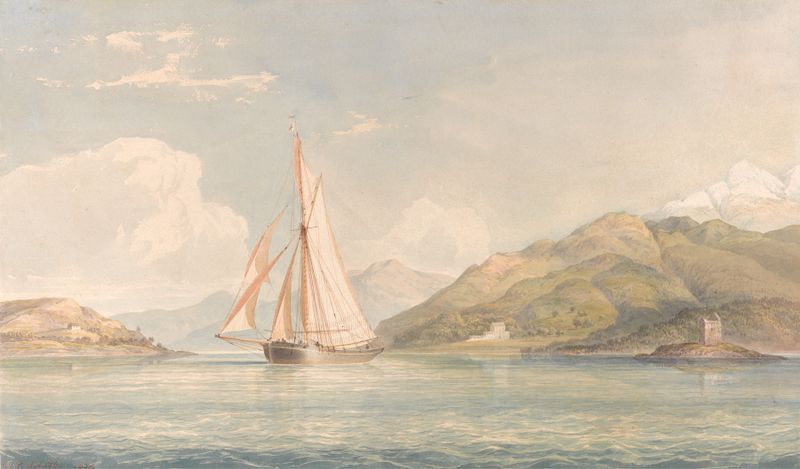
Boat Sailing to the Left with Mountains in the Background
John Christian Schetky
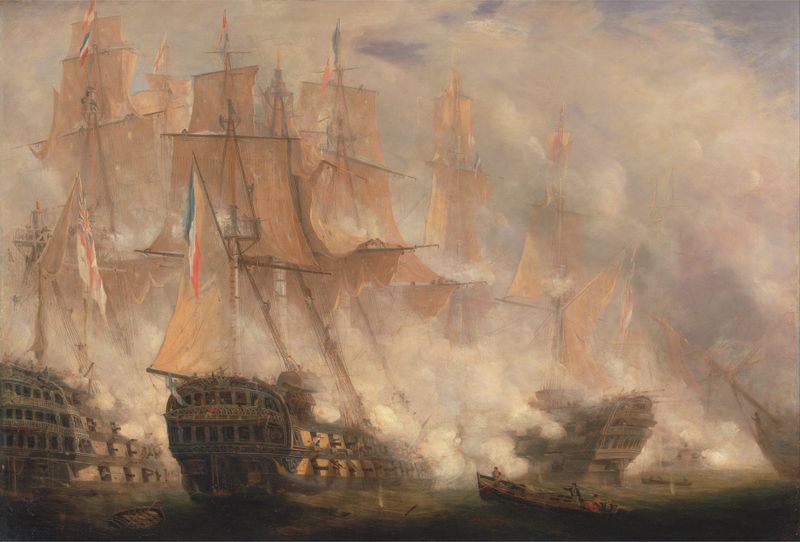
The Battle of Trafalgar
John Christian Schetky
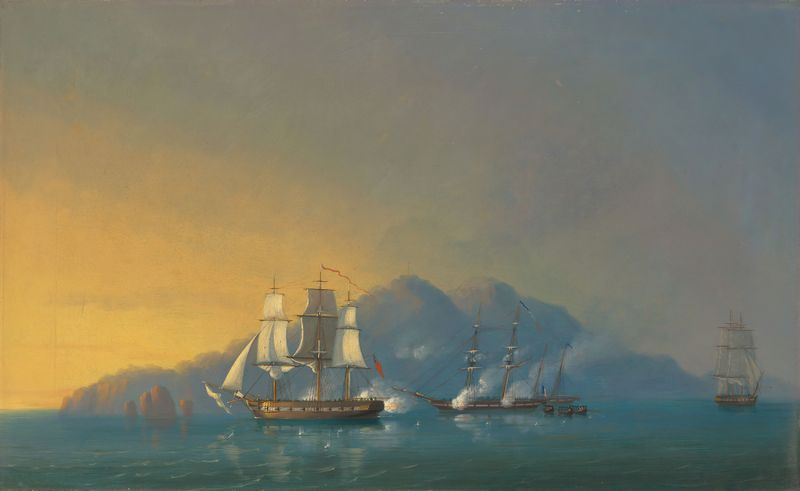
The 18-gun sloop HMS Stork engaging the French brig Cygne and two armed schooners anchored off the Pearl Rock, Martinique, on 12 December 1808
John Christian Schetky
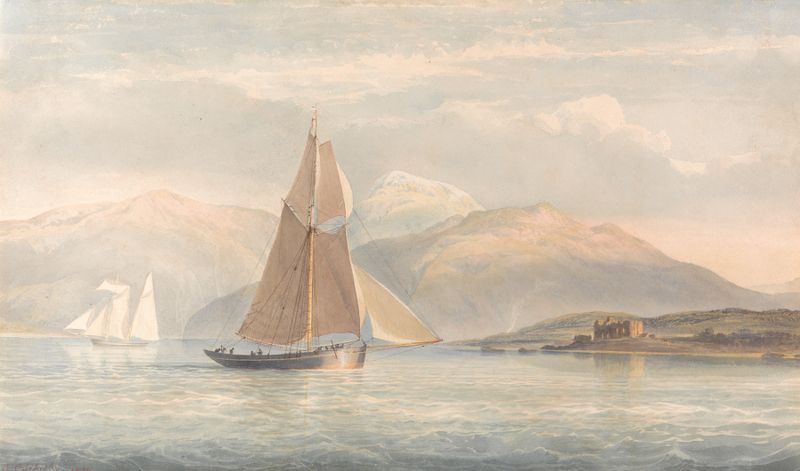
Boat Sailing to the Right with Mountains in the Background
John Christian Schetky

Boat Sailing to the Left with Island in the Background
John Christian Schetky
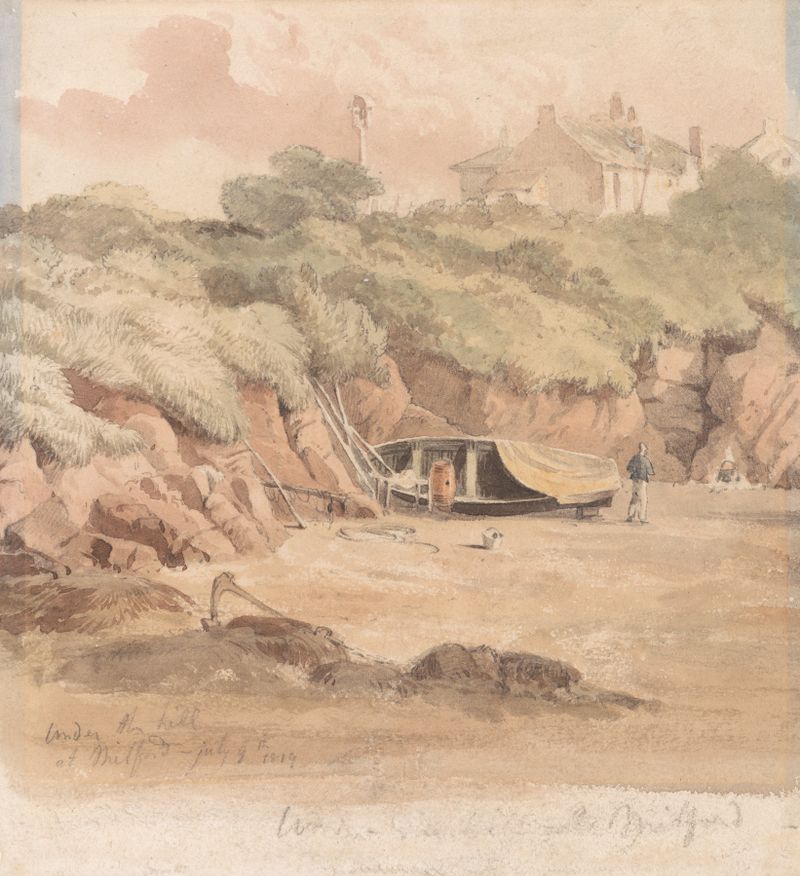
Under the Hill at Milford
John Christian Schetky
More Historical Art
Browse all →
The Night Watch Militia Company of District II under the Command of Captain Frans Banninck Cocq
Rembrandt van Rijn

Lincoln Memorial
Henry Bacon

The Third of May 1808
Francisco de Goya

Isaac and Rebecca, Known as ‘The Jewish Bride’
Rembrandt van Rijn

The Charge of the Mamelukes (1814)
Francisco de Goya

De vier ruiters van de apocalyps
Albrecht Dürer