The Calamities of Humanity — History & Facts
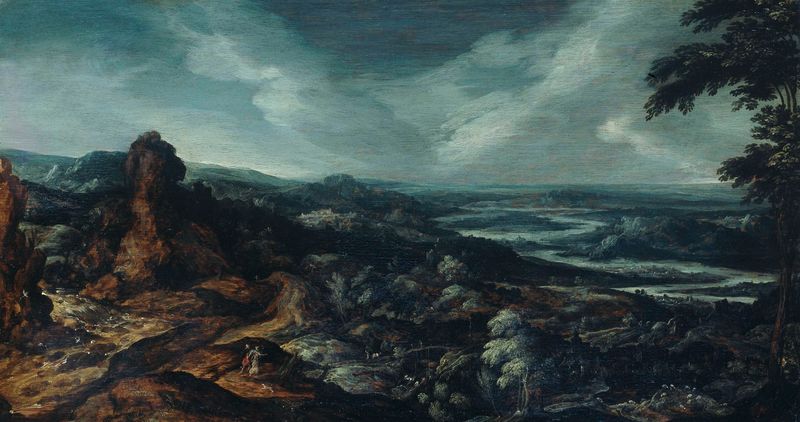
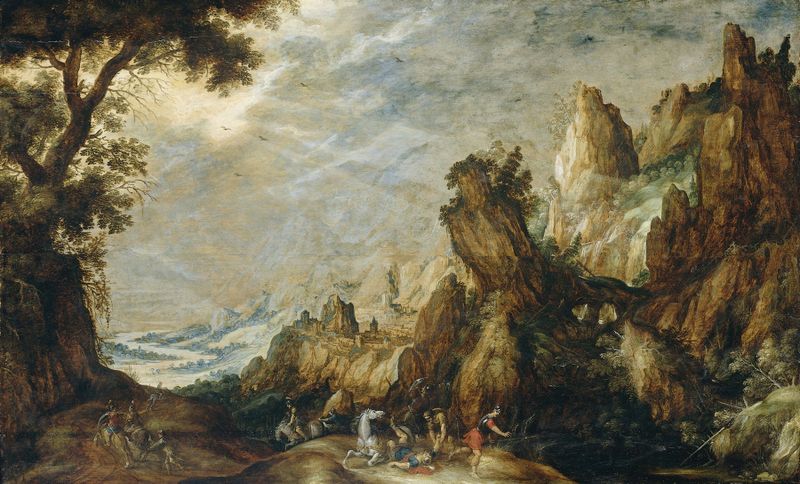
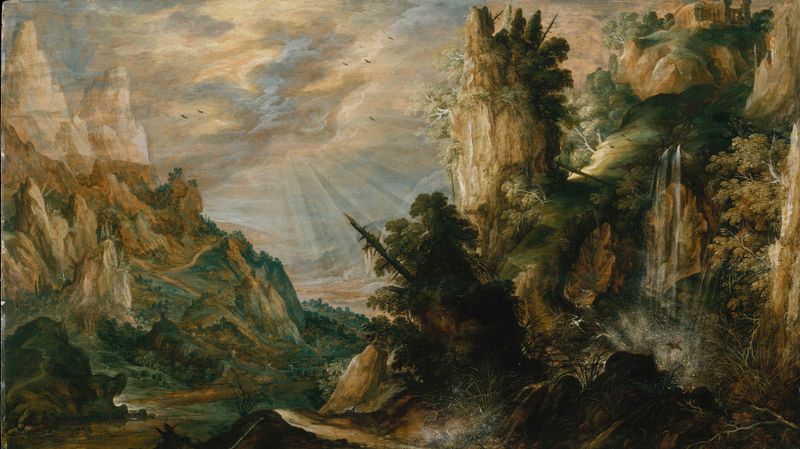
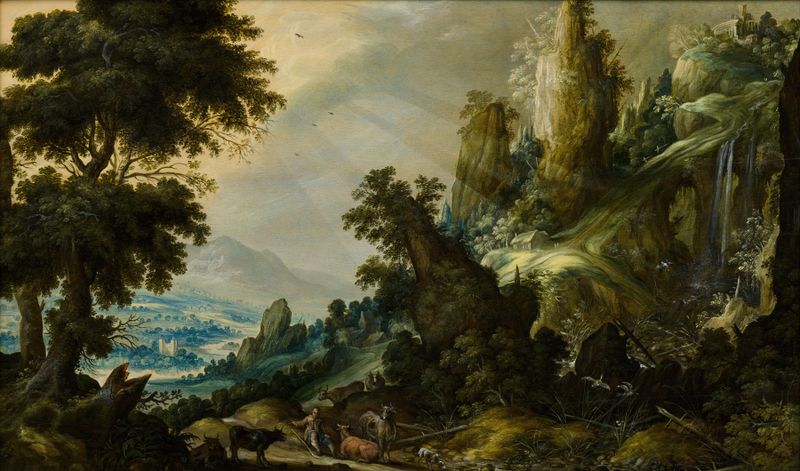
When did color learn to lie? The vibrant hues that fill the canvas beckon, yet they conceal deeper truths about the human condition and its fragility. Look closely at the center where an anguished figure reaches out, fingers splayed as if grasping for solace amid chaos. Notice the sharp contrast between his bright garments and the dark despair that envelops him, a deliberate choice that hints at the dichotomy of hope and despair. Shadows loom in the corners of the composition, whispering of fate, while the swirling forms around him evoke a tempest of emotions, drawing the viewer’s gaze into the heart of calamity. Each detail pulsates with hidden meanings; the juxtaposition of vibrant colors against desolation highlights humanity's capacity for both beauty and suffering.
The figures surrounding the central character embody the various calamities — war, famine, and sorrow — yet their expressions flicker with a hint of resilience. This work isn’t merely a representation of tragedy; it’s a profound commentary on the duality of existence, urging the audience to confront their own awareness and awakening. In 1600, Kerstiaen de Keuninck was immersed in a world of transition, where art was becoming a powerful medium for social commentary. Living in the wake of the Renaissance, he painted in a milieu that sought to explore profound themes through vibrant palettes and dramatic imagery.
As Europe grappled with its calamities, this piece emerged from de Keuninck's brush as both a reflection of his era and an artistic challenge to his audience.