
The Castle of Rheinstein — History & Facts
This sentiment echoes through the still waters of the Rhine, reflecting not just a scene, but a world of emotions layered beneath the surface. In this painting, the castle stands regal yet isolated, a silent witness to the passage of time. Look to the left at the castle’s imposing silhouette, rising sharply against a soft, hazy sky. Pyne’s meticulous brushwork reveals the textured stone, while muted greens and blues create a serene backdrop that contrasts the fortress's strength.
Notice how the light glistens off the water, capturing the fleeting moment where nature mirrors manmade glory. It draws you into a conversation about permanence and transience, urging you to explore each stroke and shadow. The juxtaposition of the castle’s solidity against the fluidity of the river speaks to a broader narrative of resilience amid fragility. Each ripple in the water hints at the passing of seasons and lives, while the castle, though majestic, stands alone, evoking a sense of solitude.
The reflective surface becomes a metaphor for introspection, suggesting that even the most beautiful structures bear witness to loss and longing. In 1860, the artist created this work during a period of shifting artistic paradigms in Britain, where the Romantic movement was giving way to a growing appreciation for realism. Living in London, Pyne was influenced by his predecessors, yet he sought to capture the emotional essence of landscapes, blending realism with a delicate romanticism that reflects the complexities of human experience.
More Artworks by James Baker Pyne
Browse all →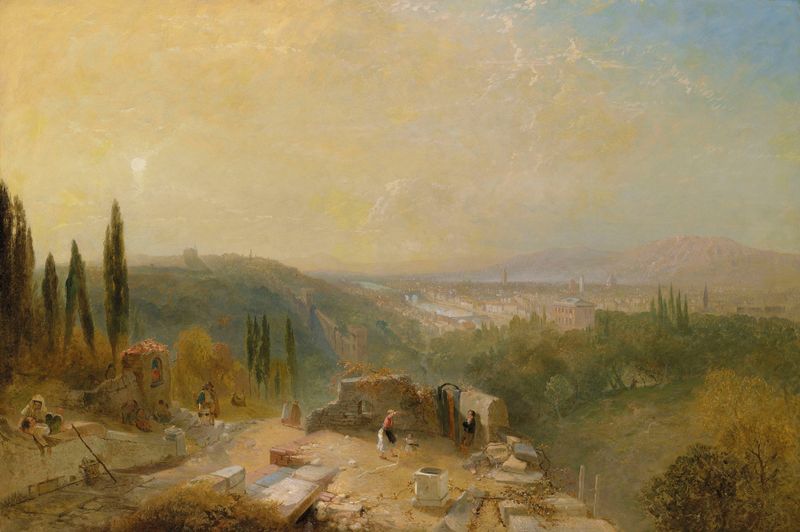
A view of Florence, from San Miniato
James Baker Pyne
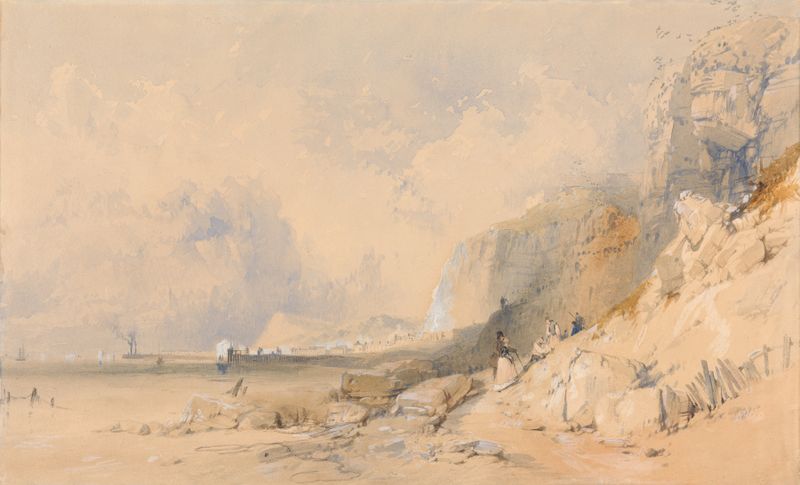
Figures on a Cliff Path near Dover
James Baker Pyne
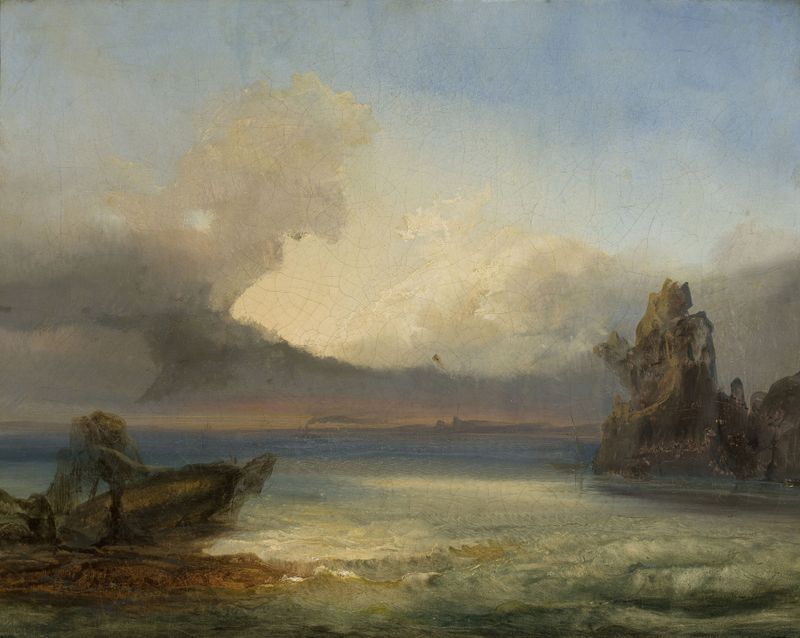
Marine landscape
James Baker Pyne
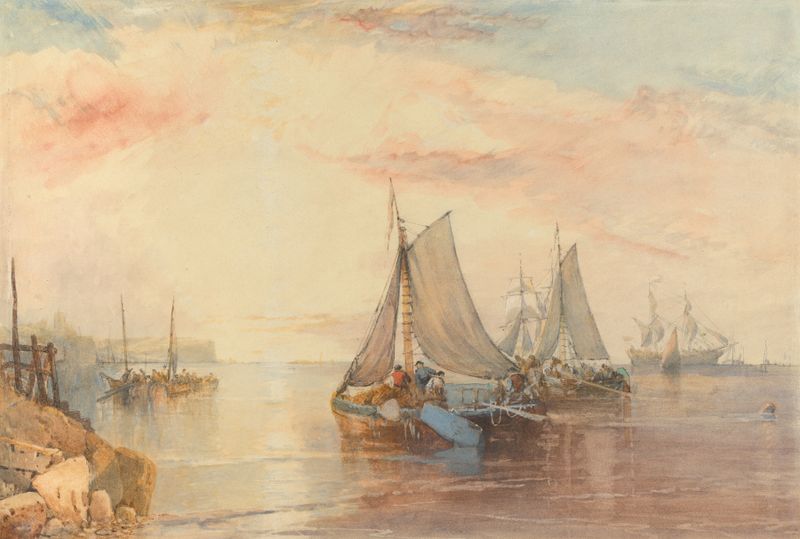
Shipping in a Calm
James Baker Pyne
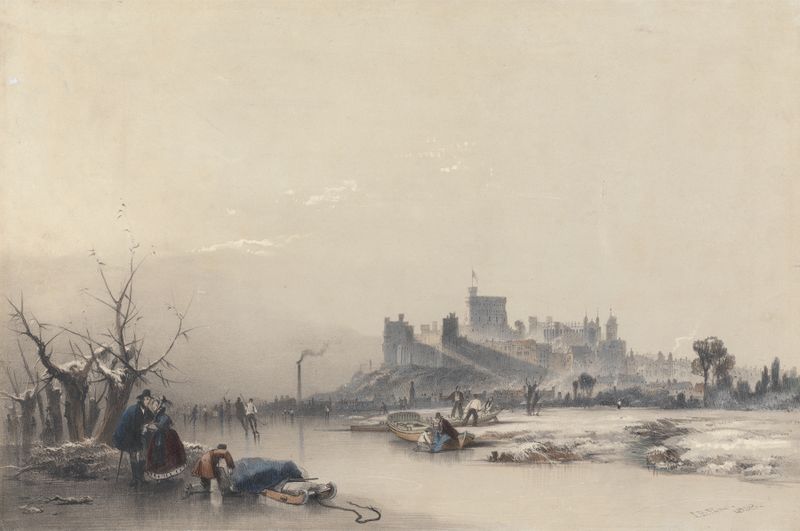
Windsor Castle from the Frozen River during the Great Frost
James Baker Pyne
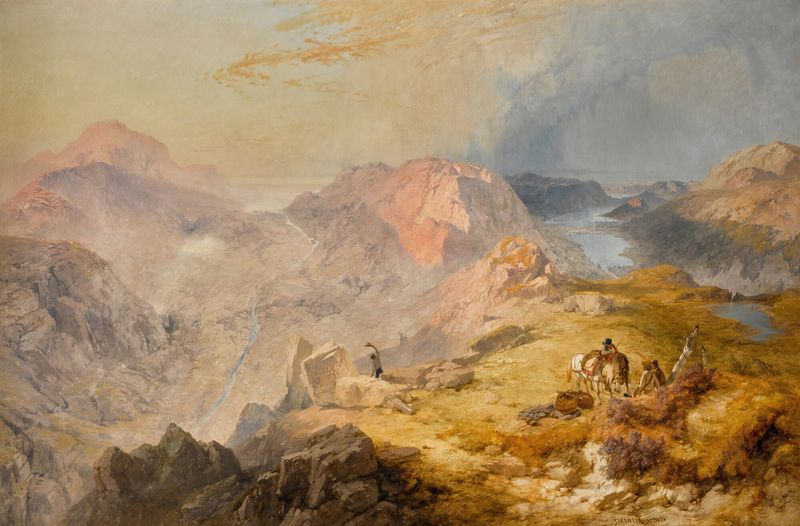
The Vales Of Ennerdale And Buttermere With Their Lakes And Those Of Crummock And Loweswater
James Baker Pyne
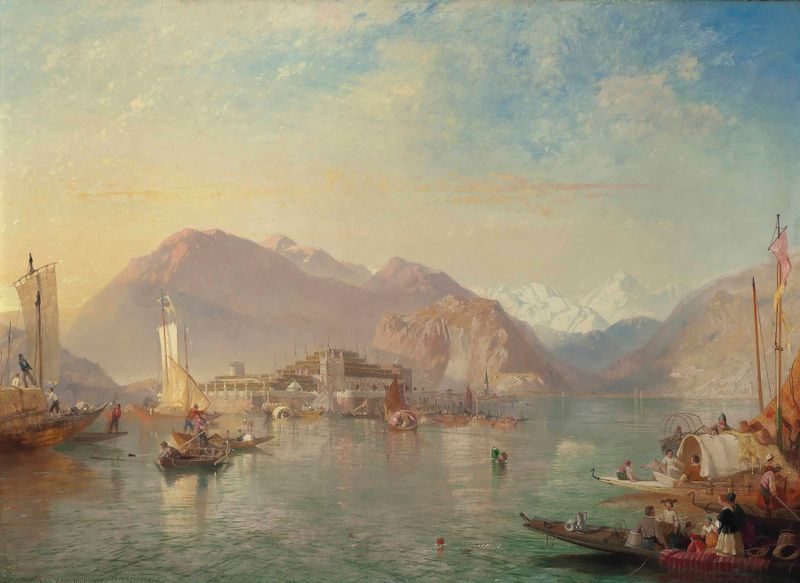
Isola Bella, Lake Maggiore, Italy
James Baker Pyne
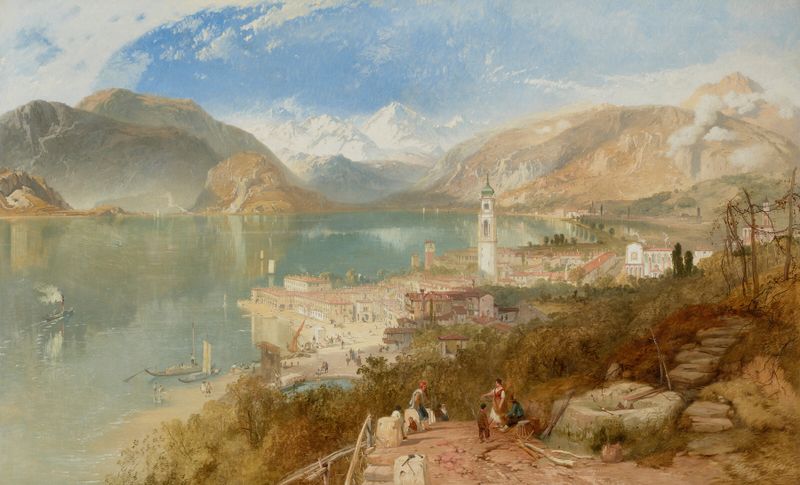
Pallanza on Lake Maggiore
James Baker Pyne
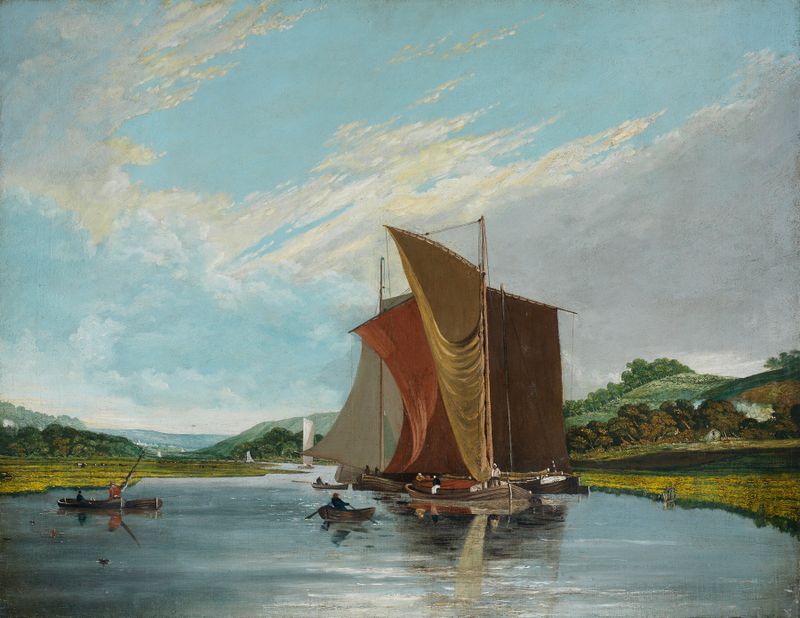
Barges on a river
James Baker Pyne
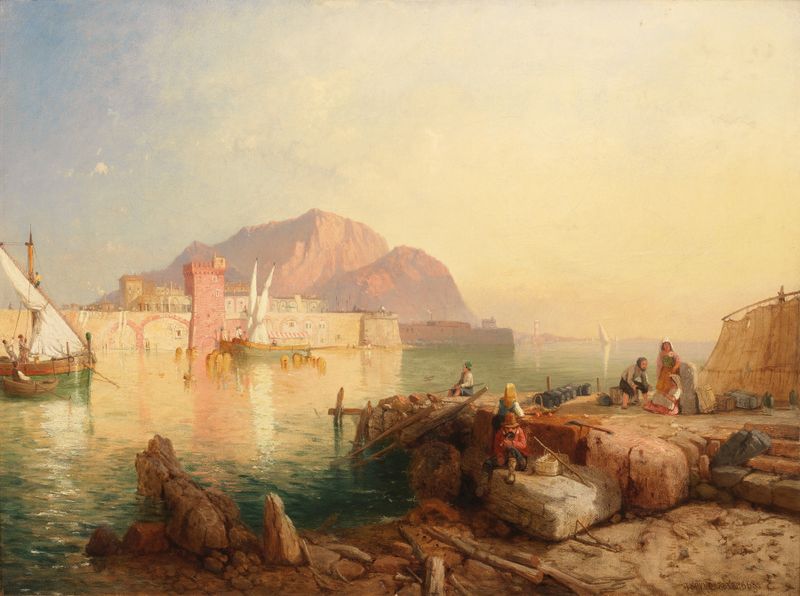
The Bay of Palermo
James Baker Pyne





