
The Vales Of Ennerdale And Buttermere With Their Lakes And Those Of Crummock And Loweswater — History & Facts
In the vastness of a seemingly untouched landscape, the contours of nature stand quietly, evoking a profound sense of emptiness and the passage of time. Look to the foreground where gentle hills rise and fall under a soft, muted palette of greens and browns. The artist's meticulous brushwork captures the serenity of the lakes, their surfaces glistening like shards of glass. Notice how the light delicately filters through the clouds, casting ephemeral shadows over the rolling hills, inviting viewers to linger on the tranquil scene. Yet beneath this idyllic exterior lies a deeper tension.
The contrasting stillness of the water against the rugged landscape speaks to both peace and isolation, suggesting a longing for connection in a world that feels distant. The subtle interplay of color and texture underscores an emotional emptiness that invites contemplation, as if nature itself holds ancient secrets, waiting to be rediscovered by those willing to look closer. In 1851, while residing in England, the artist found inspiration in the beauty of the Lake District. This period marked an era of burgeoning Romanticism in art, where landscapes were no longer mere representations but reflections of inner feelings and human experiences.
Pyne’s dedication to capturing the essence of far-off vistas was a testament to his desire to convey not just what was seen, but what was felt in the silence of these natural wonders.
More Artworks by James Baker Pyne
Browse all →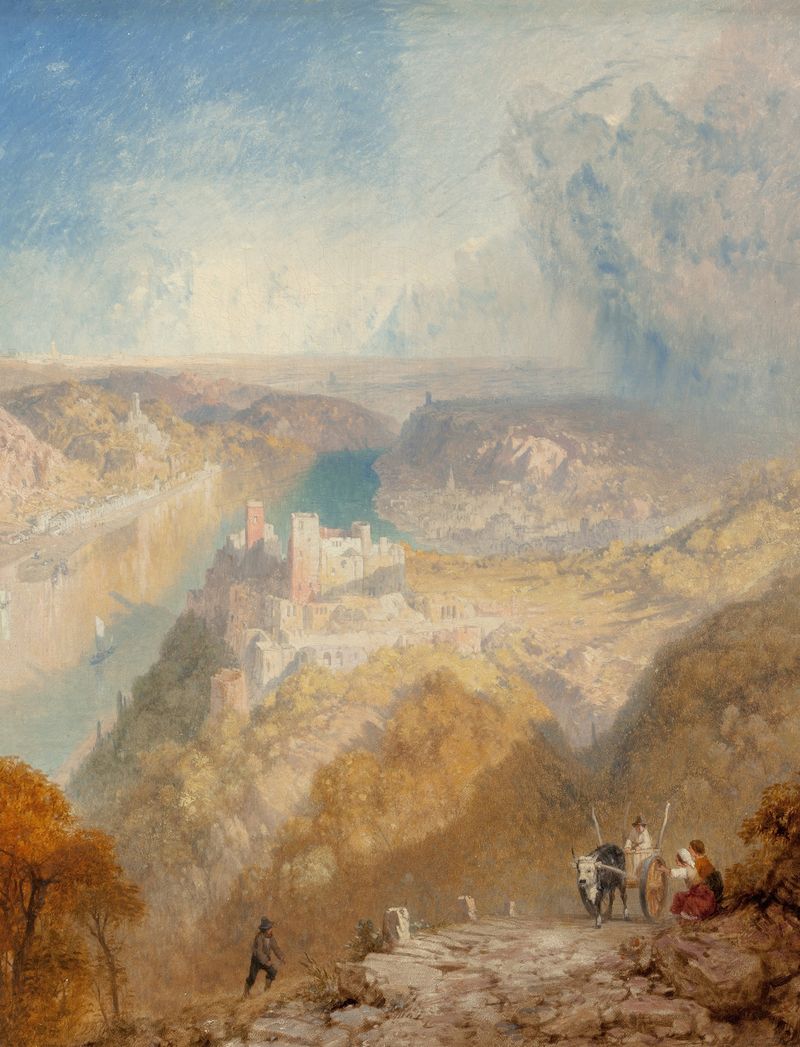
The Castle of Rheinstein
James Baker Pyne
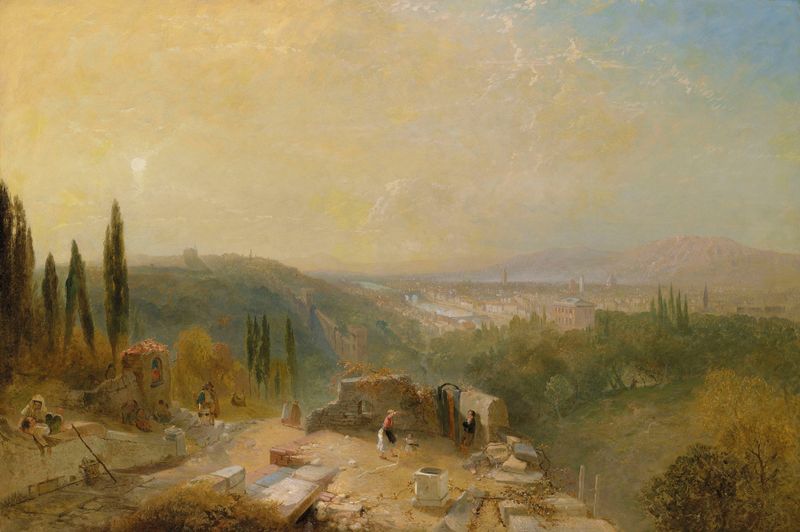
A view of Florence, from San Miniato
James Baker Pyne
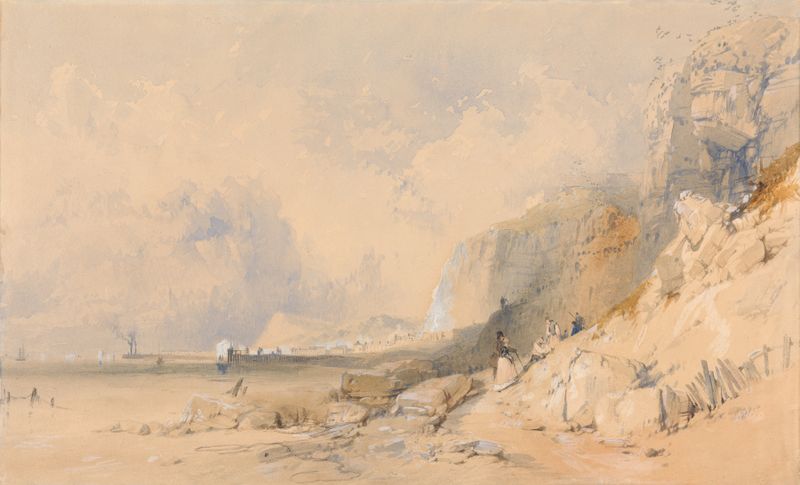
Figures on a Cliff Path near Dover
James Baker Pyne
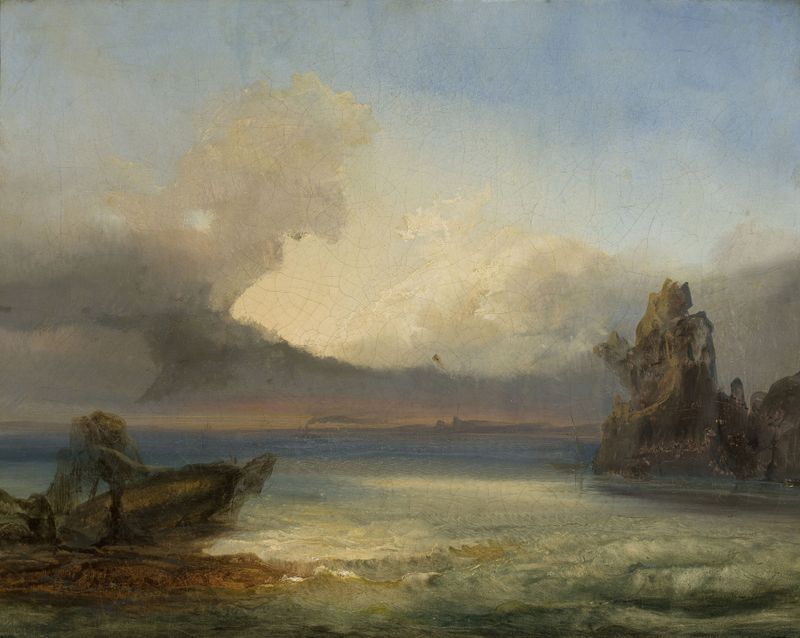
Marine landscape
James Baker Pyne
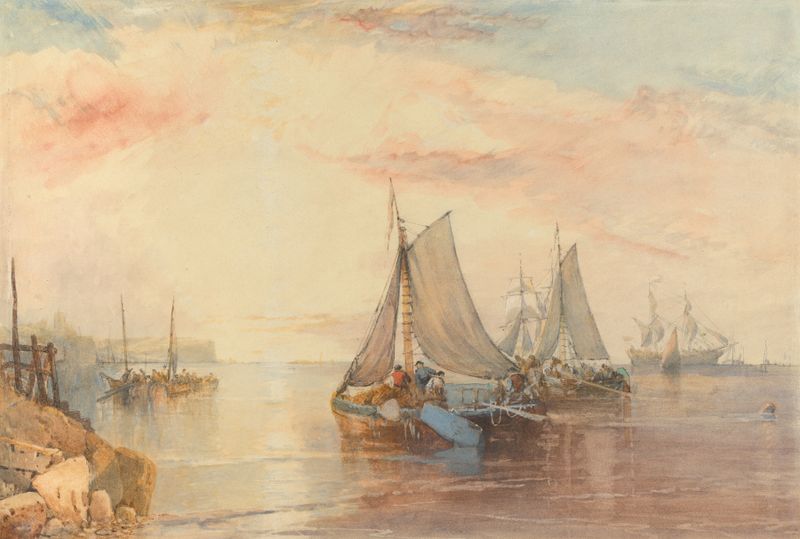
Shipping in a Calm
James Baker Pyne
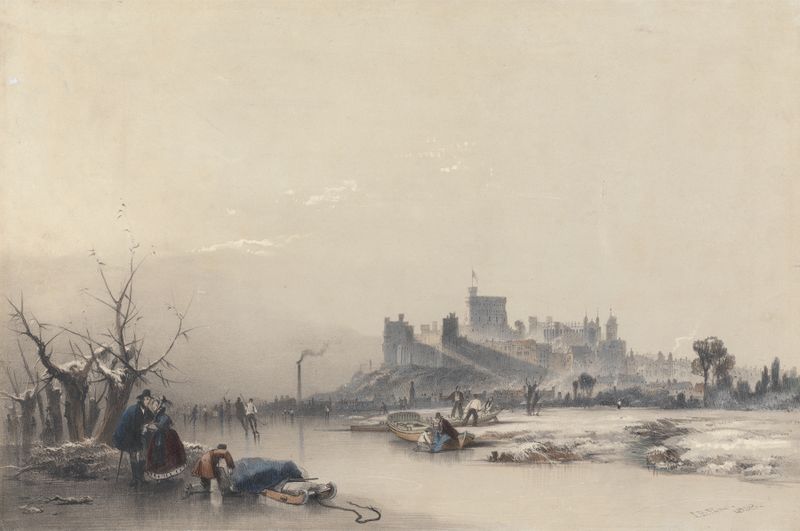
Windsor Castle from the Frozen River during the Great Frost
James Baker Pyne
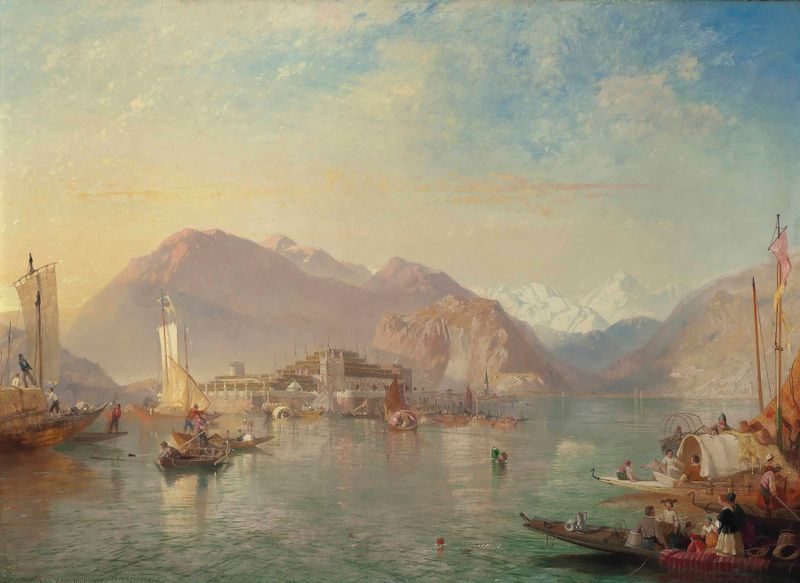
Isola Bella, Lake Maggiore, Italy
James Baker Pyne
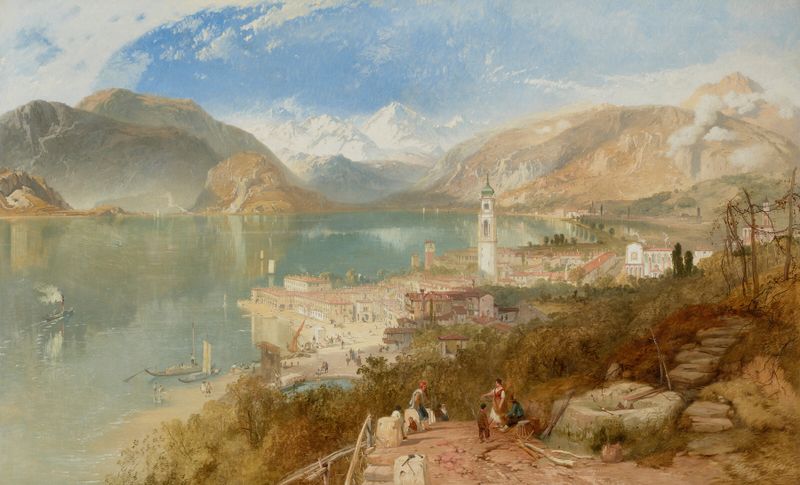
Pallanza on Lake Maggiore
James Baker Pyne
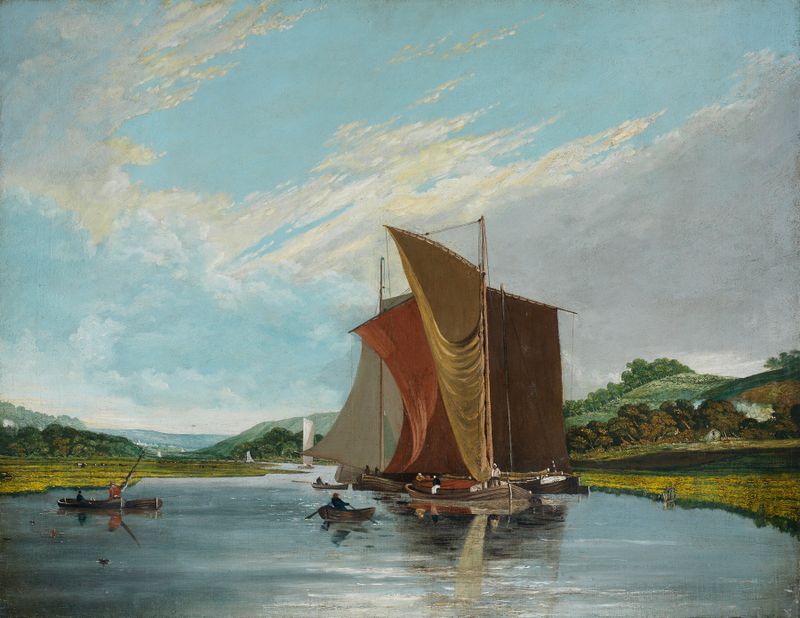
Barges on a river
James Baker Pyne
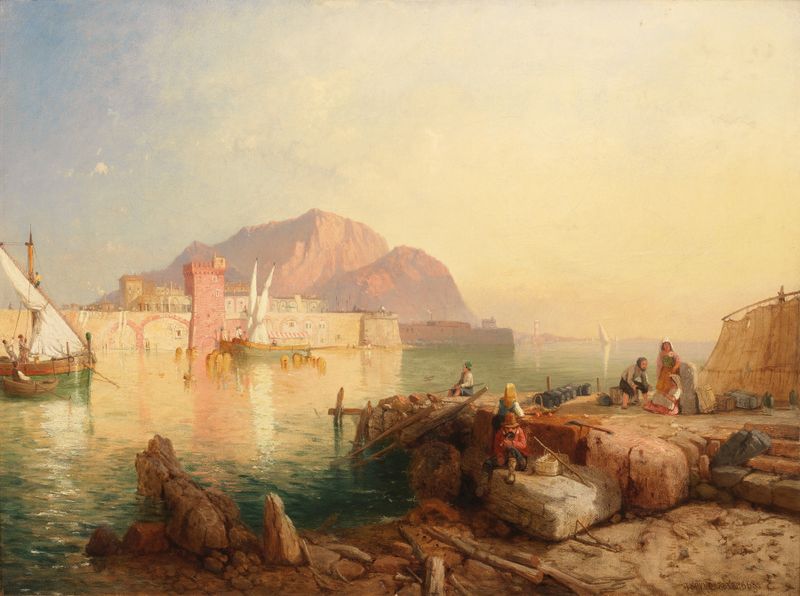
The Bay of Palermo
James Baker Pyne





