
The Chapel of the Poorhouse in Saint-Jean-Cap-Ferrat (Côte d’Azur) — History & Facts
What if beauty was never meant to be finished? A moment suspended in time, where the ethereal whispers of nature and architecture converge, beckoning contemplation and reverence. Focus on the gentle interplay of light and shadow cast upon the chapel’s walls. Notice how the warm tones of the sun-drenched stone create a vibrant canvas that breathes life into the scene. The artist’s deft brushwork reveals intricate details in the architecture, inviting your gaze to wander from the arched windows to the delicate roofline, where flowers entwine in a loving embrace, symbolizing both sanctuary and decay. As you immerse yourself in the painting, consider the emotional resonance of the juxtaposition between the chapel’s steadfastness and the fleeting beauty of its surroundings.
The mingling of organic shapes with the rigid forms of the building invites a dialogue between nature and man-made structures. This tension evokes a sense of longing—a reminder that beauty is often ephemeral, cloaked in layers of history and emotion. Georges Léon Ernest Buysse created this work in the 19th century while living in the serene coastal town of Saint-Jean-Cap-Ferrat, a place known for its picturesque landscapes. During this period, the art world was experiencing a shift toward Impressionism, emphasizing light and color over realism.
Buysse’s exploration of beauty in this tranquil chapel reflects both his personal journey and the broader artistic movement that sought to capture moments of profound grace in the everyday world.
More Artworks by Georges Léon Ernest Buysse
Browse all →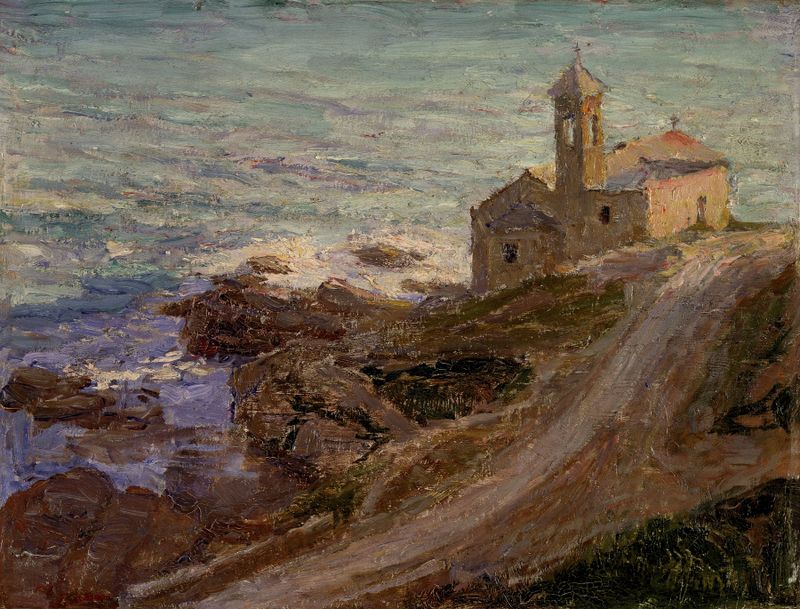
The Church of Sant’Ampelio in Bordighera (Italy)
Georges Léon Ernest Buysse
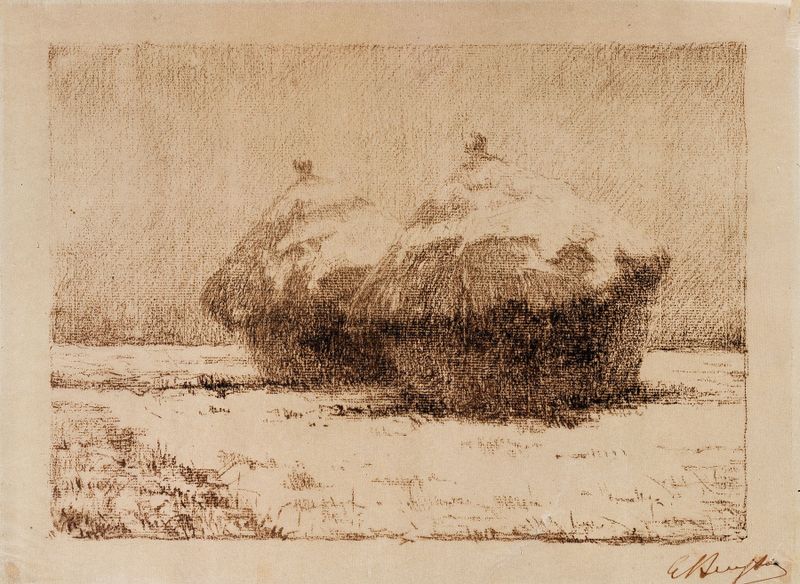
Stacks in Snow
Georges Léon Ernest Buysse
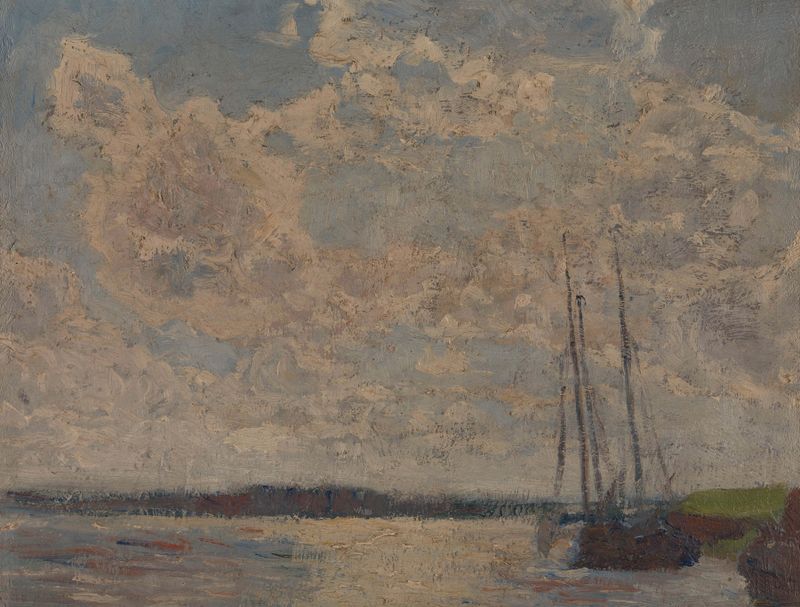
View of the River Scheldt
Georges Léon Ernest Buysse
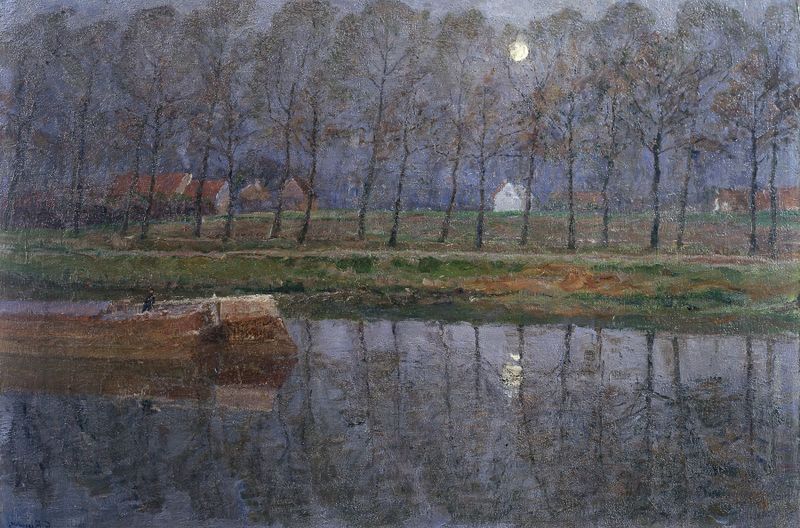
The Ghent-Terneuzen Canal by Moonlight in Spring
Georges Léon Ernest Buysse
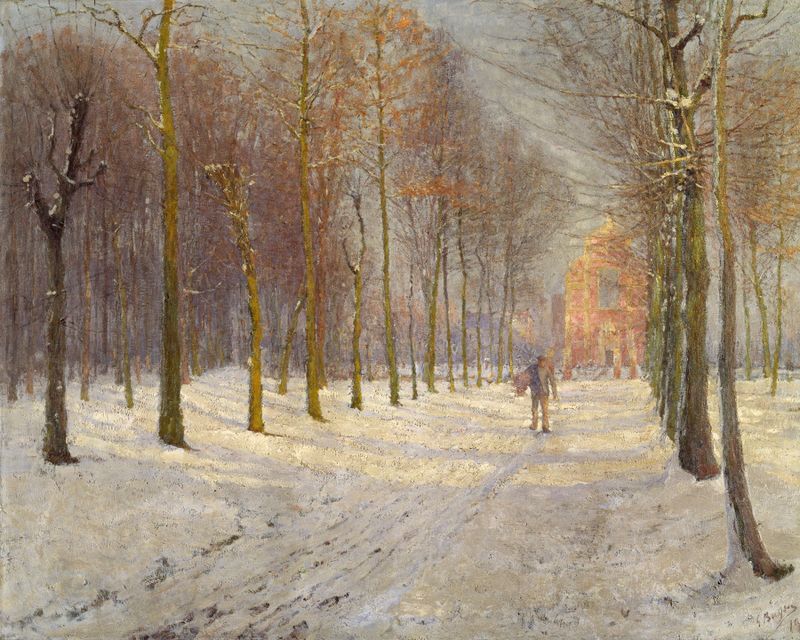
De Sint-Catharinakerk in Wondelgem (Gent)
Georges Léon Ernest Buysse
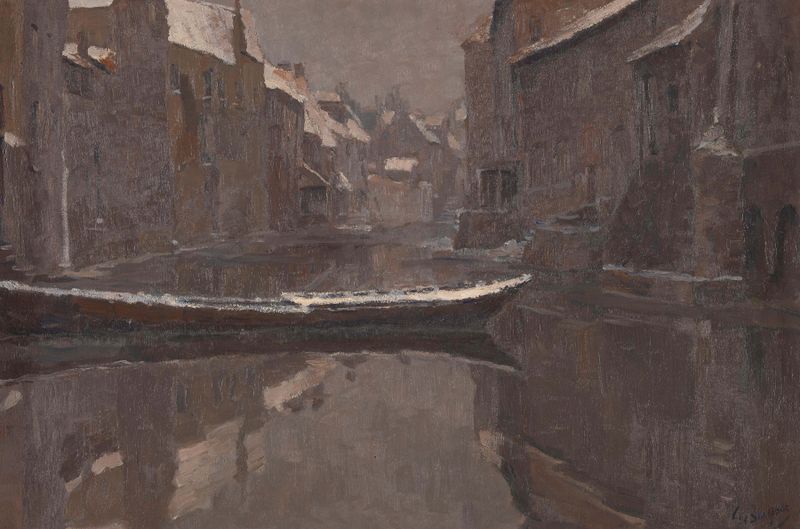
Old Canal at Ghent in Winter
Georges Léon Ernest Buysse
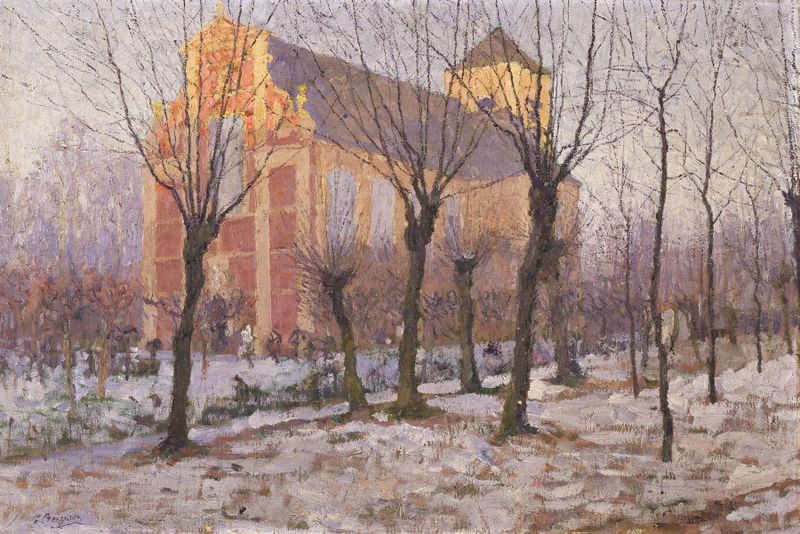
Saint Catherine’s Church in Wondelgem (Ghent)
Georges Léon Ernest Buysse
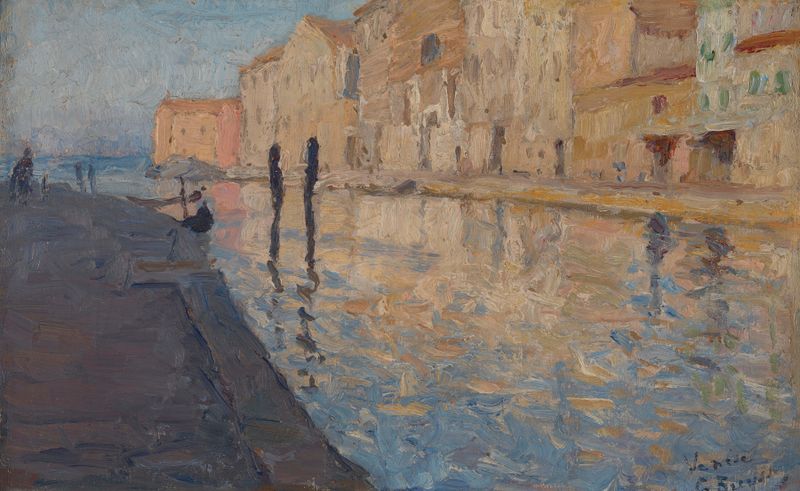
Canal in Venice
Georges Léon Ernest Buysse
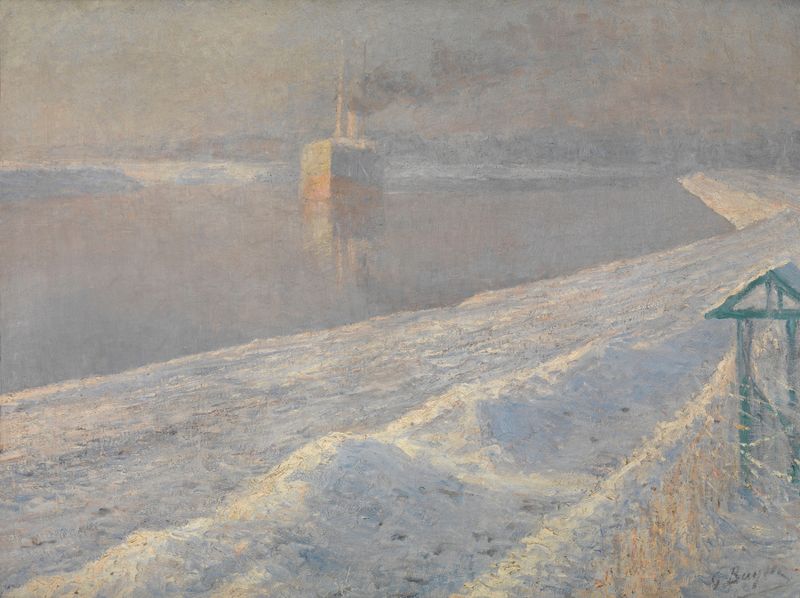
Winterstorm
Georges Léon Ernest Buysse
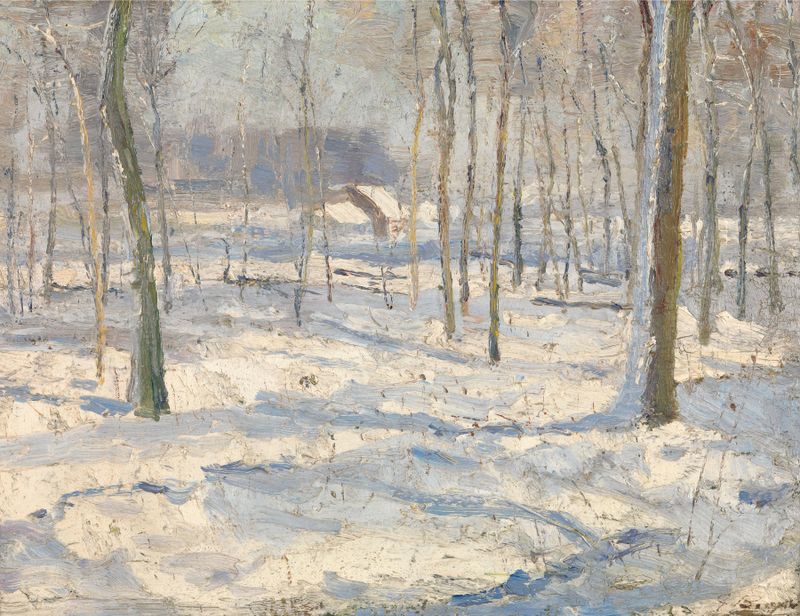
Winter Landscape (sketch)
Georges Léon Ernest Buysse
More Architecture Art
Browse all →
The statue of Liberty
Frédéric Auguste Bartholdi

View of Houses in Delft, Known as ‘The Little Street’
Johannes Vermeer

View of Houses in Delft, Known as ‘The Little Street’
Johannes Vermeer

The Cathedral in Rouen. The portal, Grey Weather
Claude Monet

The yellow house
Vincent van Gogh

The Church in Auvers-sur-Oise, View from the Chevet
Vincent van Gogh