
Winterstorm — History & Facts
In the stillness of winter, the weight of unspoken words hangs heavy in the air, inviting reflection and introspection. Look to the center of the canvas, where a blanket of snow lies undisturbed, shimmering subtly under the faint light. The brushwork creates a delicate texture, inviting you to feel the chill that lies just beyond the painted surface. Notice how the muted palette of whites and grays is punctuated by the dark silhouettes of leafless trees, their bare branches reaching skyward like desperate hands.
The contrast between the stark coldness of the landscape and the warmth within your own thoughts heightens the emotional resonance of this quiet scene. Each element in the composition speaks volumes—those skeletal trees represent both resilience and vulnerability, standing firm against the harshness of winter. The absence of life hints at solitude, yet the gentle curves of the snowdrifts suggest the presence of unseen stories, awaiting the thaw of spring to be told. This interplay of silence and emotion captures the essence of winter’s grip, where stillness is both a burden and a balm. Georges Léon Ernest Buysse painted this piece during a period when Europe was grappling with the aftermath of political turmoil.
Living in Belgium in the late 19th century, he embraced the natural world as a refuge, channeling his experiences into evocative landscapes. Winterstorm reflects not just the chill in the air but also the deeper, silent struggles of human existence, a conversation between man and nature rendered in hushed tones.
More Artworks by Georges Léon Ernest Buysse
Browse all →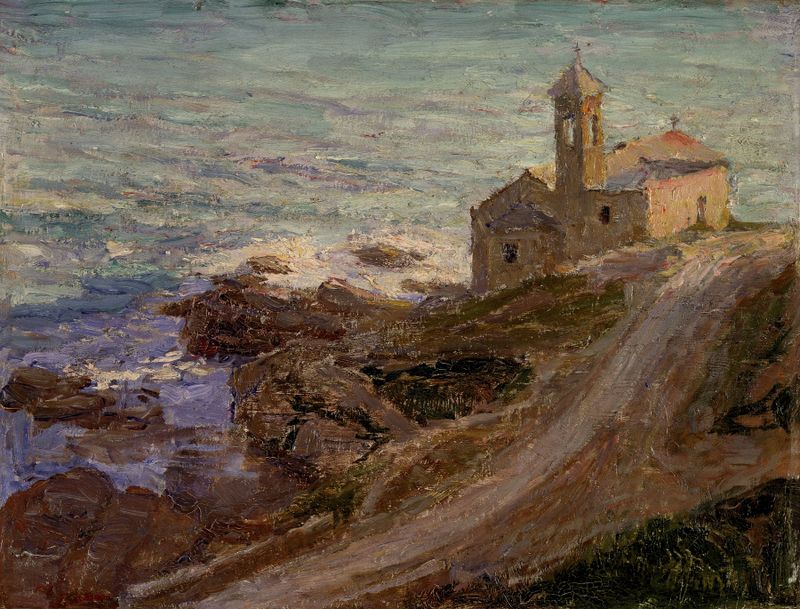
The Church of Sant’Ampelio in Bordighera (Italy)
Georges Léon Ernest Buysse
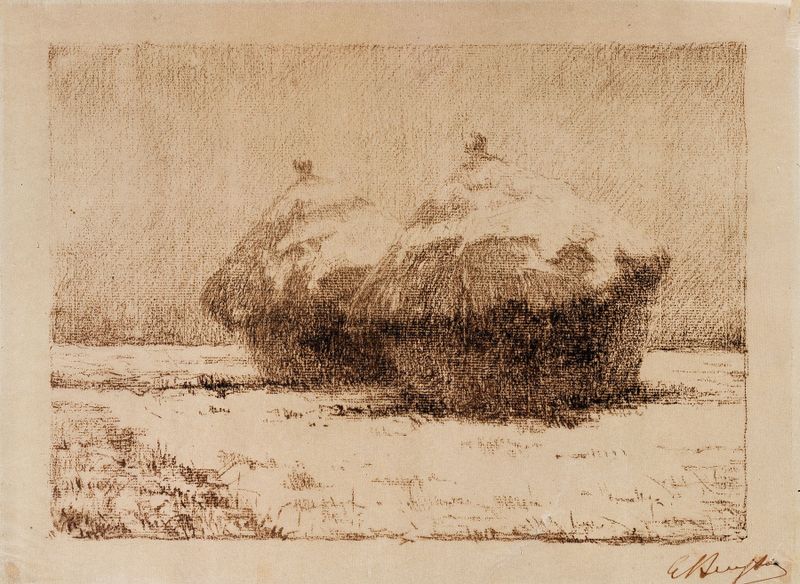
Stacks in Snow
Georges Léon Ernest Buysse
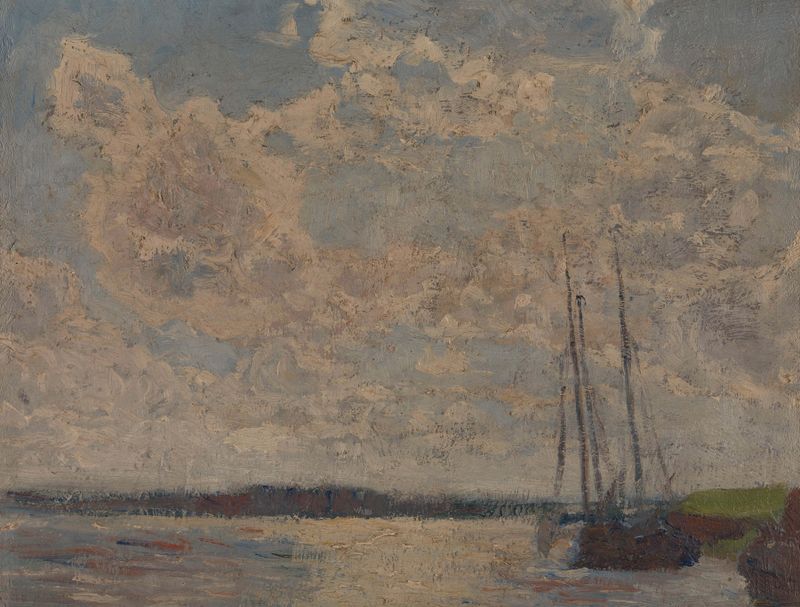
View of the River Scheldt
Georges Léon Ernest Buysse
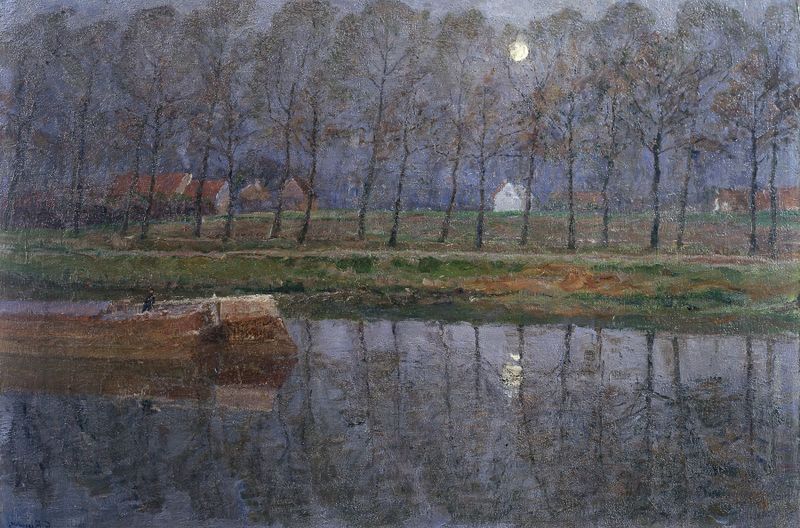
The Ghent-Terneuzen Canal by Moonlight in Spring
Georges Léon Ernest Buysse
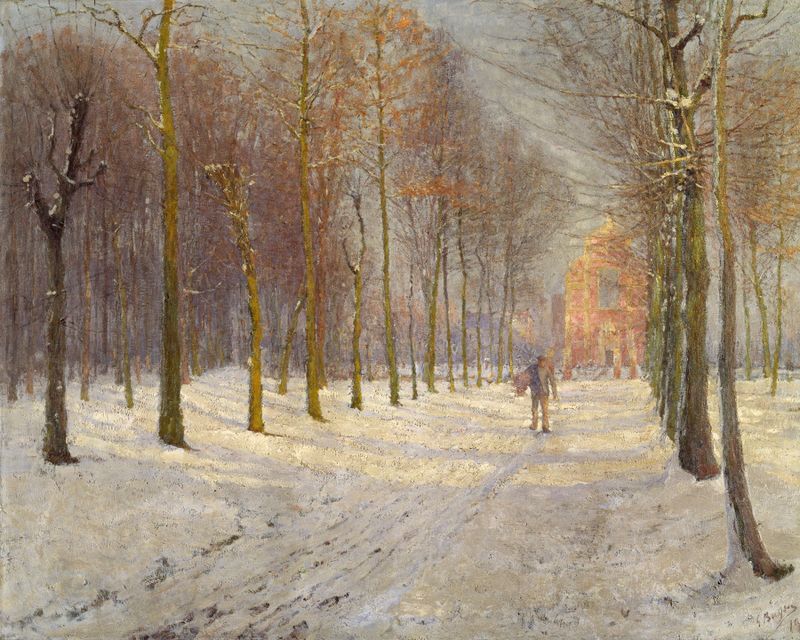
De Sint-Catharinakerk in Wondelgem (Gent)
Georges Léon Ernest Buysse
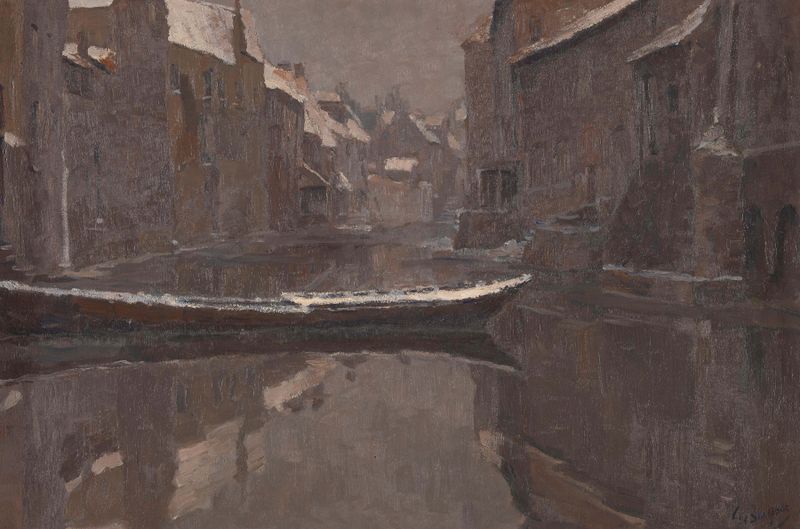
Old Canal at Ghent in Winter
Georges Léon Ernest Buysse
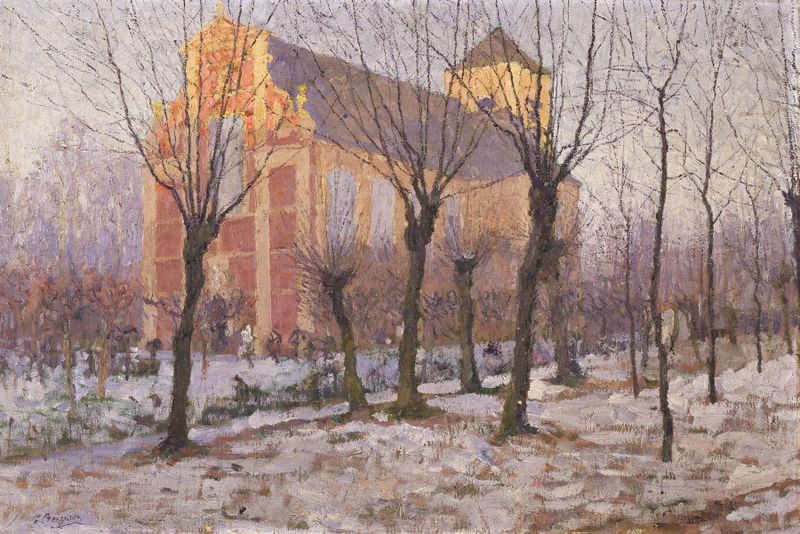
Saint Catherine’s Church in Wondelgem (Ghent)
Georges Léon Ernest Buysse
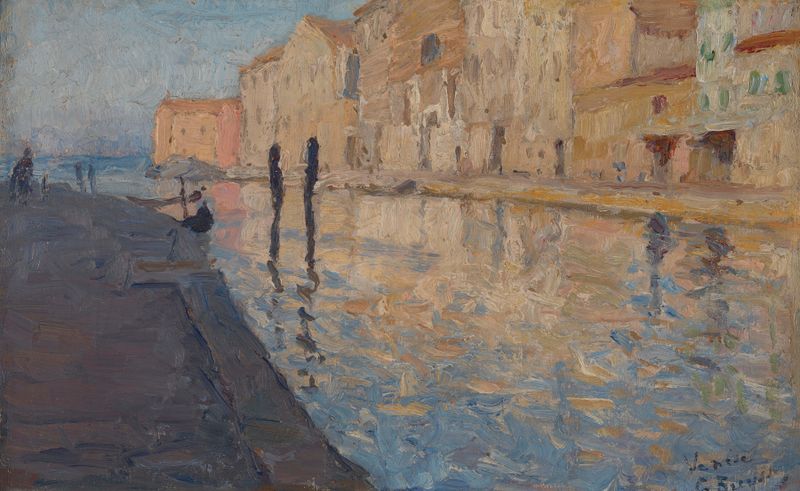
Canal in Venice
Georges Léon Ernest Buysse
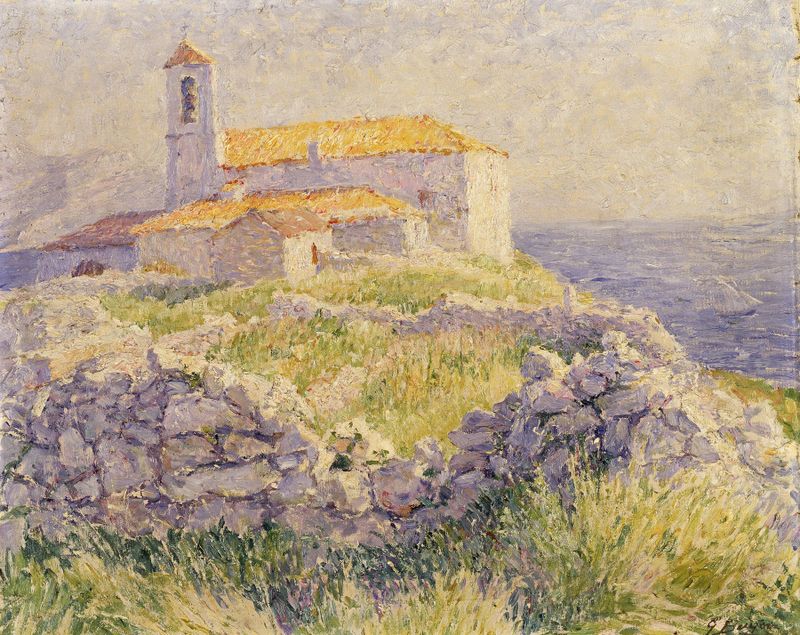
The Chapel of the Poorhouse in Saint-Jean-Cap-Ferrat (Côte d’Azur)
Georges Léon Ernest Buysse
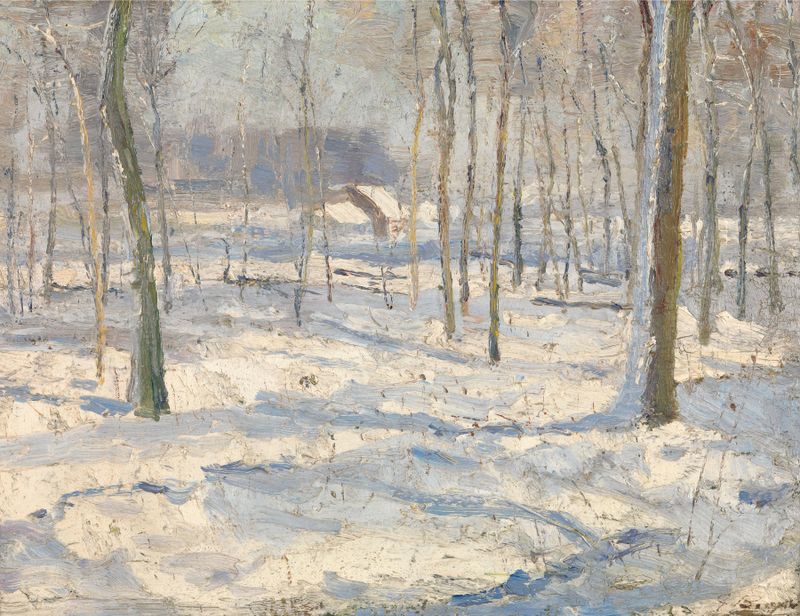
Winter Landscape (sketch)
Georges Léon Ernest Buysse





