
Winter Landscape (sketch) — History & Facts
What secret hides in the quiet of the canvas? In Winter Landscape, the chill of the season seeps through the textured strokes, evoking a profound sense of longing for warmth and human connection amidst the vast, silent expanse of snow. Focus on the horizon line, where the muted whites and blues blend seamlessly, imbuing the scene with a tranquil yet melancholic atmosphere. Notice how the darkened trees stand sentinel against the openness, their stark branches reaching upward, almost pleading. The subtle variations in tone reveal a delicate interplay of light, creating depth in the snow and highlighting the artist's skillful hand in capturing the essence of winter's stillness. The landscape speaks of isolation, yet it also invites contemplation.
The absence of figures amplifies the sense of solitude, allowing viewers to project their own emotions onto the scene. Every brushstroke seems to whisper stories of those who may have wandered through this biting cold, echoing the universal yearning for companionship that transcends the barren beauty of the environment. Georges Léon Ernest Buysse painted Winter Landscape in 1850 during a period marked by significant artistic exploration in Europe. Living in a time of transition between the Romantic and Realist movements, he sought to capture not only the visual but also the emotional aspects of nature.
This sketch is reflective of his desire to convey intimate moments of solitude, an artistic approach influenced by the evolving relationship between humanity and its environment during the mid-19th century.
More Artworks by Georges Léon Ernest Buysse
Browse all →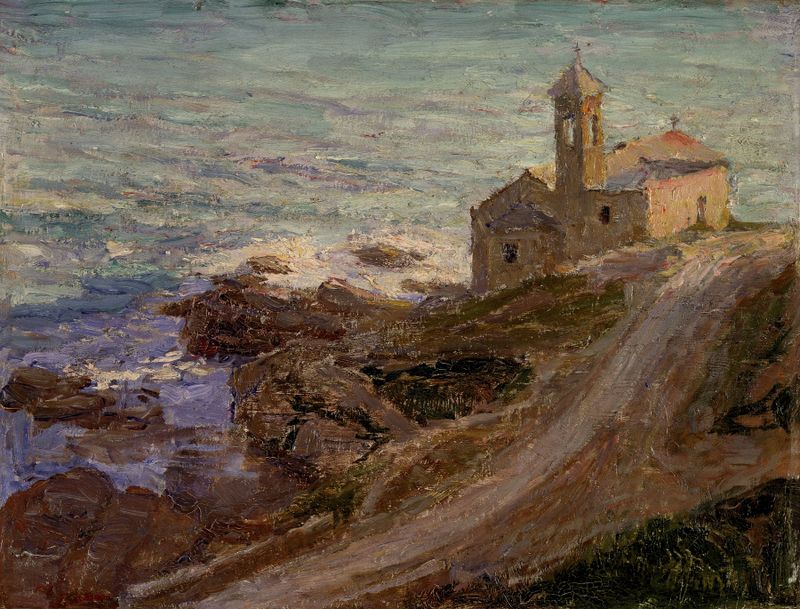
The Church of Sant’Ampelio in Bordighera (Italy)
Georges Léon Ernest Buysse
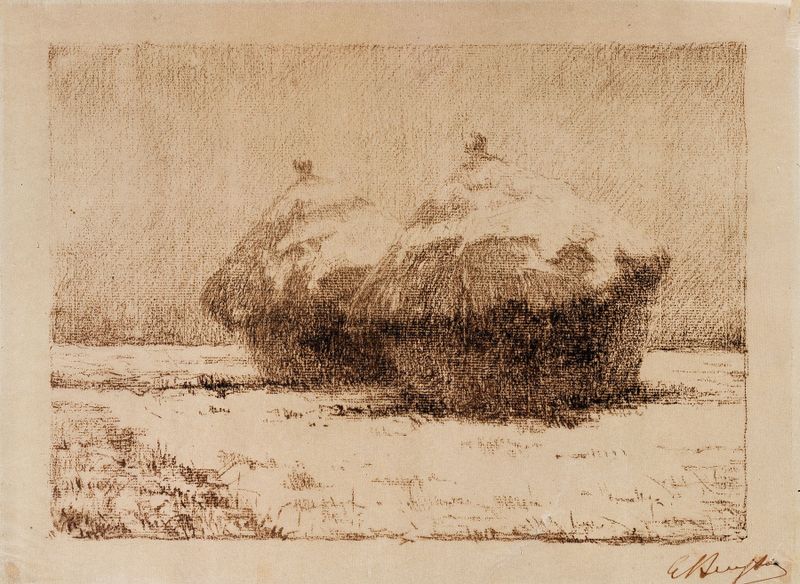
Stacks in Snow
Georges Léon Ernest Buysse
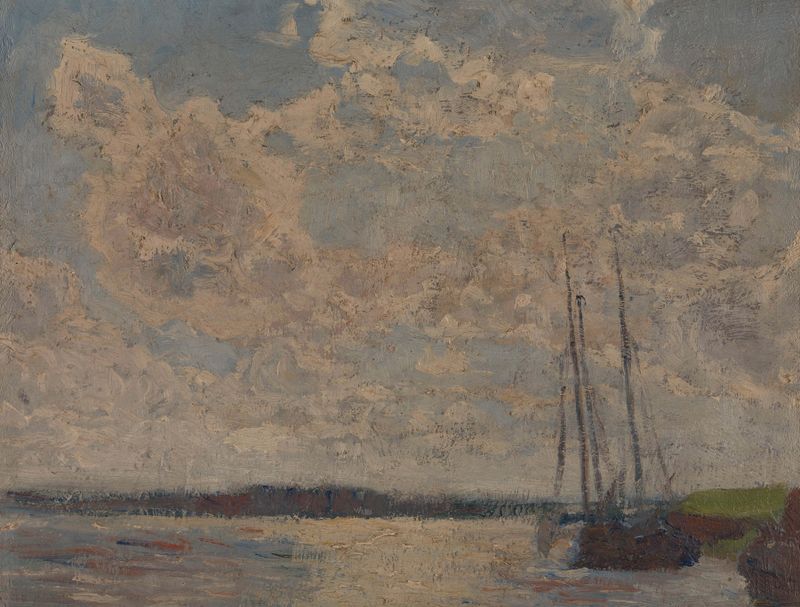
View of the River Scheldt
Georges Léon Ernest Buysse
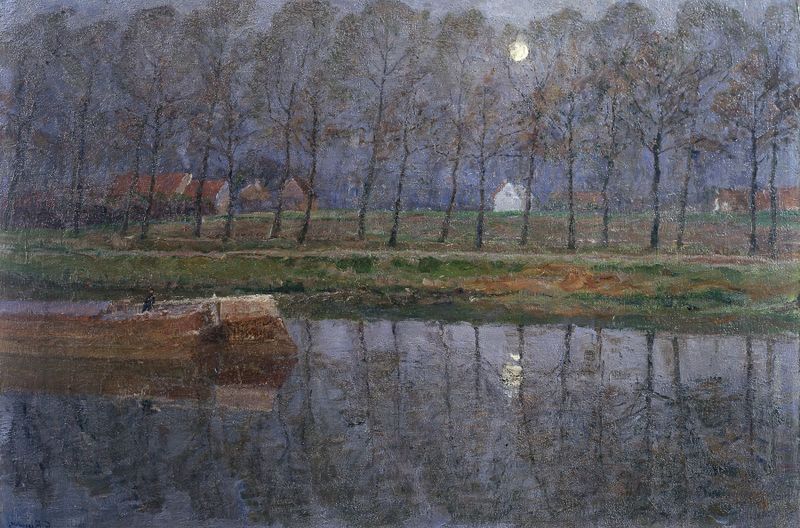
The Ghent-Terneuzen Canal by Moonlight in Spring
Georges Léon Ernest Buysse
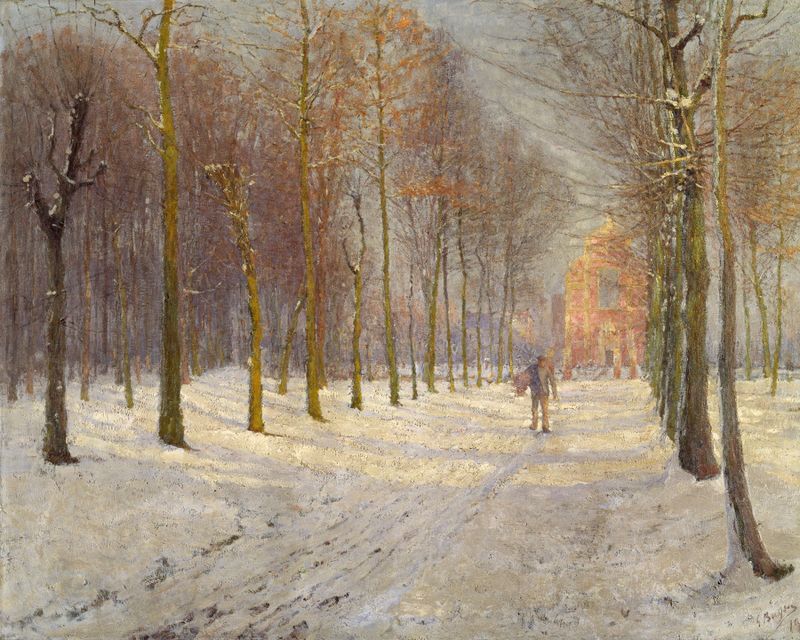
De Sint-Catharinakerk in Wondelgem (Gent)
Georges Léon Ernest Buysse
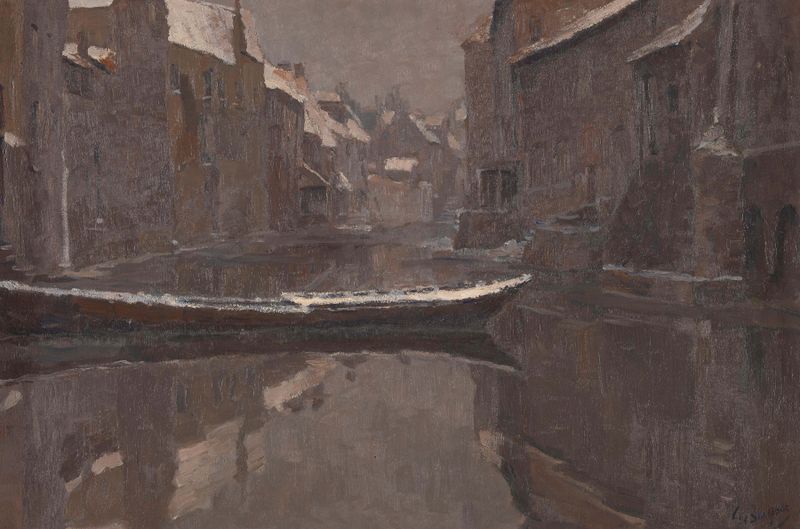
Old Canal at Ghent in Winter
Georges Léon Ernest Buysse
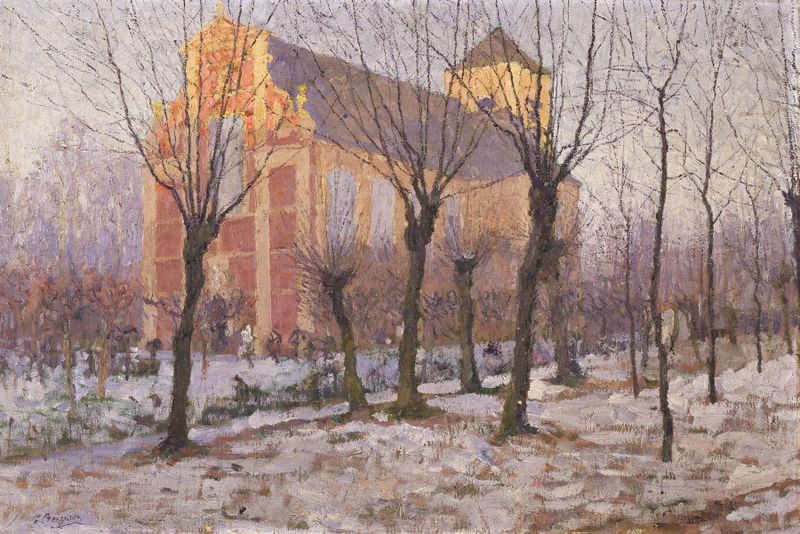
Saint Catherine’s Church in Wondelgem (Ghent)
Georges Léon Ernest Buysse
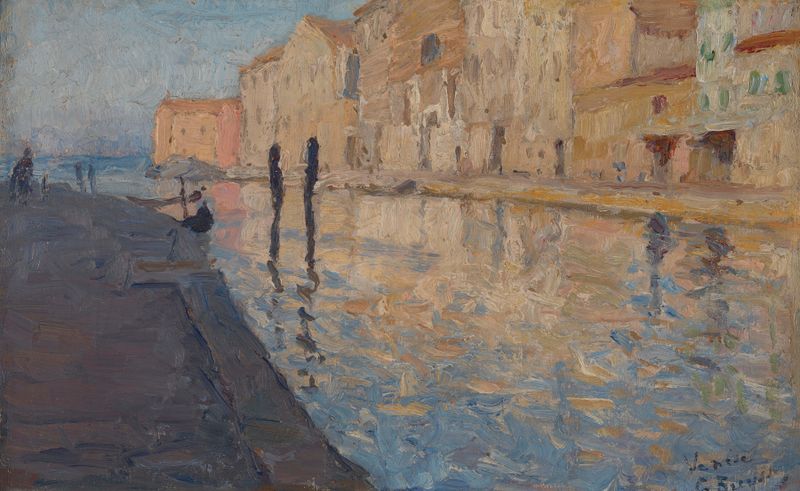
Canal in Venice
Georges Léon Ernest Buysse
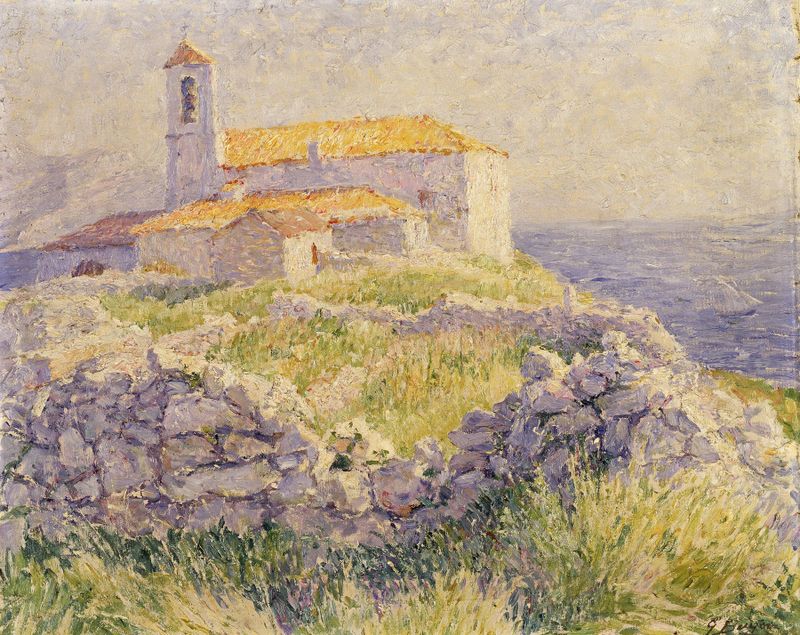
The Chapel of the Poorhouse in Saint-Jean-Cap-Ferrat (Côte d’Azur)
Georges Léon Ernest Buysse
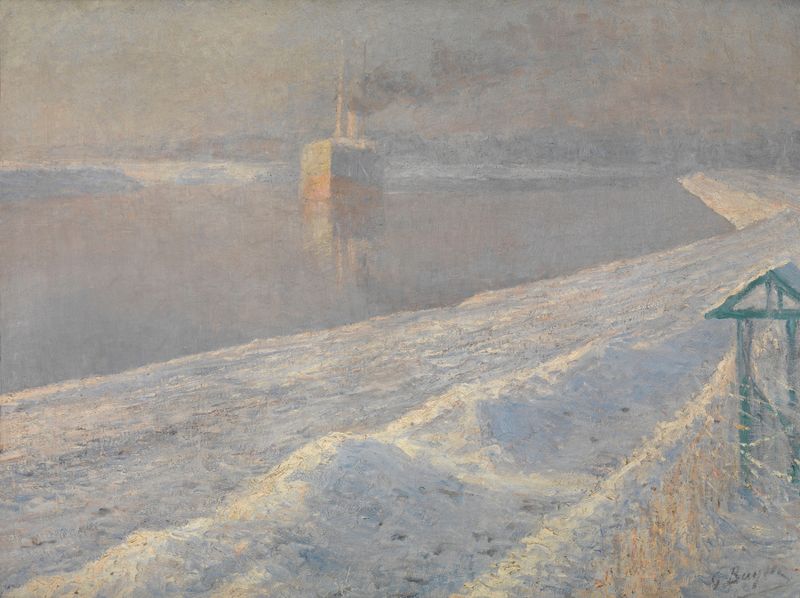
Winterstorm
Georges Léon Ernest Buysse





