
The Church — History & Facts
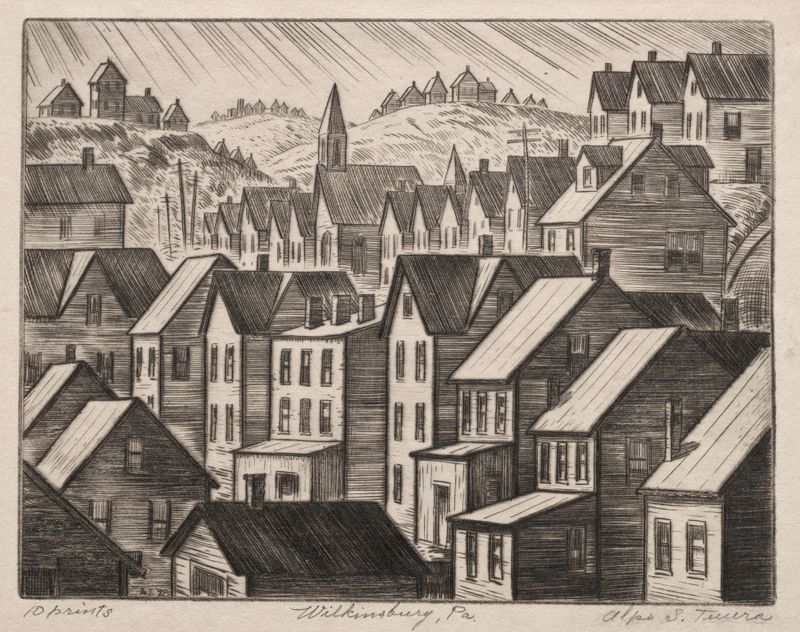
What if silence could speak through light? In The Church, Alpo S. Tuura masterfully captures a serene moment where the architecture and ambiance intertwine in a quiet yearning for the divine. Look to the center, where the towering spire of the church pierces the sky, a focal point that draws the viewer's gaze upwards. The delicate interplay of shadows and soft light wraps the structure in a warm embrace, accentuating the stone's texture and color.
Notice how the understated hues of muted browns, soft grays, and hints of golden light create a tranquil atmosphere, inviting reflection and contemplation. The composition balances the solidity of the church against the ethereal sky, suggesting a connection between the earthly and the celestial. Within this sacred scene lies an exploration of contrasts—between the grandeur of the church and the simplicity of the empty surroundings. The stillness hints at a longing, perhaps for connection, faith, or community, symbolized by the absence of figures.
Each detail, from the intricate carvings to the gentle lighting, serves to convey an emotional depth, evoking a sense of nostalgia and spiritual yearning. In 1928, Tuura painted this piece during a time of significant change in Finland. Amidst the rising modernist movements in art, he remained committed to depicting the spiritual essence of his surroundings. The church, a symbol of stability and tradition in a rapidly evolving world, reflects both the artist's personal beliefs and the broader societal shifts of his time.
More Artworks by Alpo S. Tuura
Browse all →
More Architecture Art
Browse all →
The statue of Liberty
Frédéric Auguste Bartholdi

View of Houses in Delft, Known as ‘The Little Street’
Johannes Vermeer

View of Houses in Delft, Known as ‘The Little Street’
Johannes Vermeer

The Cathedral in Rouen. The portal, Grey Weather
Claude Monet

The yellow house
Vincent van Gogh

The Church in Auvers-sur-Oise, View from the Chevet
Vincent van Gogh