Wilkinsburg, Pennsylvania — History & Facts
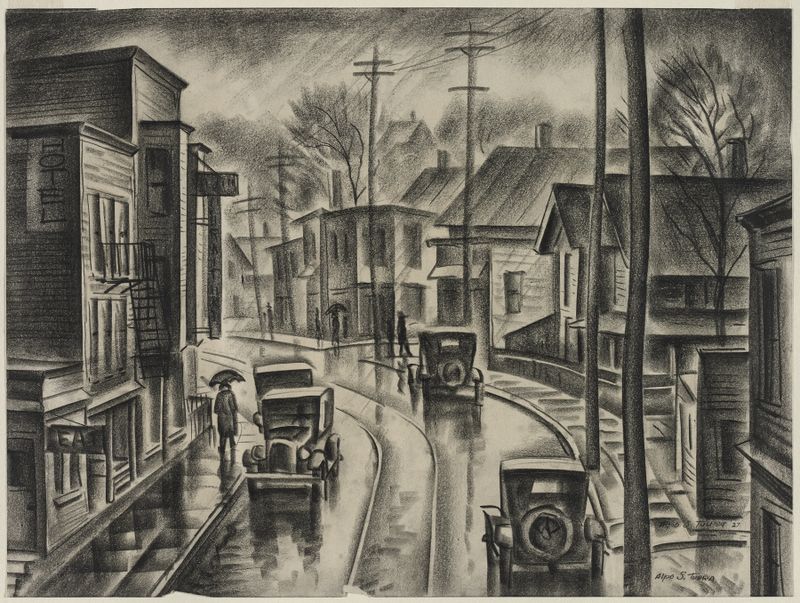
Can paint confess what words never could? In Wilkinsburg, Pennsylvania, the canvas breathes with the relentless march of time, capturing both the ordinary and the extraordinary in a harmonious balance. Look to the left at the intricate details of the bustling street, where figures move purposefully, their silhouettes softened by the warm glow of late afternoon light. Notice how the colors intertwine—muted earth tones juxtaposed with vibrant hues—evoking a sense of nostalgia while simultaneously celebrating the energy of daily life. The composition draws the eye through winding streets, creating a rhythm that mirrors the pulse of the town itself. Delve deeper into the emotional landscape of the painting, where contrasts abound.
The juxtaposition of light and shadow hints at underlying stories of joy and sorrow, reflecting the complexity of urban existence. Small details, like the distant clock tower, serve as a reminder of time’s passage—each tick resonating with the lives unfolding beneath its gaze. The painting invites contemplation, prompting viewers to ponder not just the scene before them, but the collective memories etched in the fabric of the town. Created in 1928, this work emerged during a period of significant change in America, where industrial growth intertwined with the struggles of the Great Depression looming ahead.
Alpo S. Tuura was navigating his own artistic journey, drawing inspiration from the bustling streets around him while contributing to the broader narrative of American realism. This was a time when artists sought to capture the essence of modern life, and Tuura’s portrayal of Wilkinsburg stands as a testament to that endeavor.