
The circumcision in the stable — History & Facts
In The Circumcision in the Stable, Rembrandt van Rijn explores the delicate tension of longing, enveloping viewers in the profound intimacy of a sacred moment obscured by the weight of human emotion. Look to the left at the solemn expressions of the figures gathered around the newborn, their faces illuminated by the soft, golden light that spills from an unseen source. The deep contrasts of shadow and light create a dramatic chiaroscuro, enhancing the reverence of the scene. Notice how the fabric of the garments—lush reds and deep blues—wrap around the figures, symbolizing both the warmth of familial love and the heaviness of their shared task.
The intimate composition draws the eye towards the infant, cradled tenderly, at the center of this pivotal moment. Delve deeper into the painting, and you’ll find layers of meaning woven into each brushstroke. The act of circumcision, a potent symbol of covenant and sacrifice, hints at the future pain the child will endure, underlining the juxtaposition of innocence and impending suffering. There’s an ethereal quality to the way the figures seem to clutch the child, suggesting not just a physical presence, but an emotional hold—an ache of love intertwined with fear.
The stable, a humble setting, contrasts with the monumental significance of the event, embodying humanity’s struggle between the sacred and the ordinary. Created in 1654, this work emerged during a time when Rembrandt was grappling with personal loss and financial struggles, yet it also coincided with a period of rich artistic exploration in the Baroque period. The artist’s masterful ability to convey profound human experiences through light and shadow became increasingly essential in his oeuvre, as he sought to capture the complexities of life’s fleeting moments in an ever-changing world.
More Artworks by Rembrandt van Rijn
Browse all →
The Night Watch Militia Company of District II under the Command of Captain Frans Banninck Cocq
Rembrandt van Rijn

The Return of the Prodigal Son
Rembrandt van Rijn

The Hundred Guilder Print: the figures leaning on the wall in the centre left
Rembrandt van Rijn

The Hundred Guilder Print: the central piece with Christ preaching, the plate arched
Rembrandt van Rijn

Isaac and Rebecca, Known as ‘The Jewish Bride’
Rembrandt van Rijn
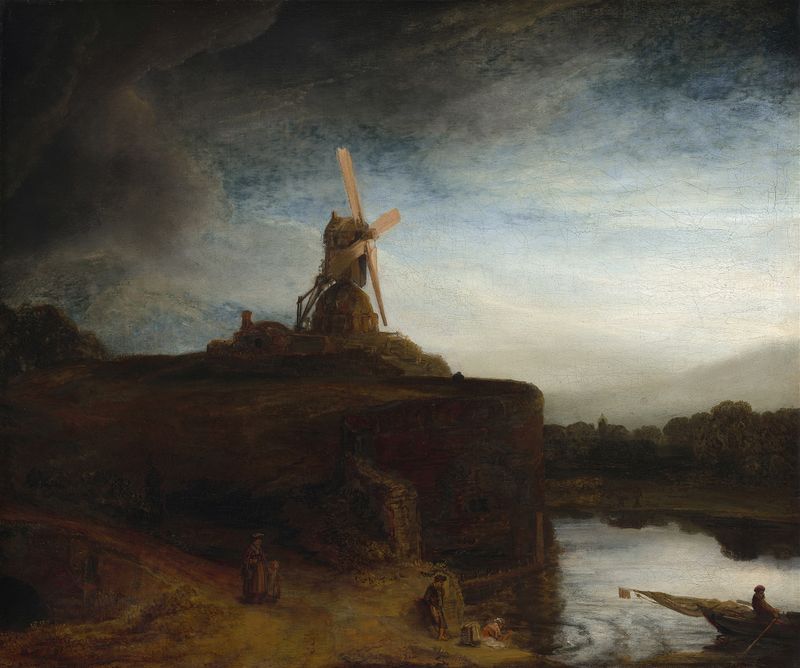
The Mill
Rembrandt van Rijn

The Sampling Officials of the Amsterdam Drapers’ Guild, Known as ‘The Syndics’
Rembrandt van Rijn

The return of the prodigal son
Rembrandt van Rijn
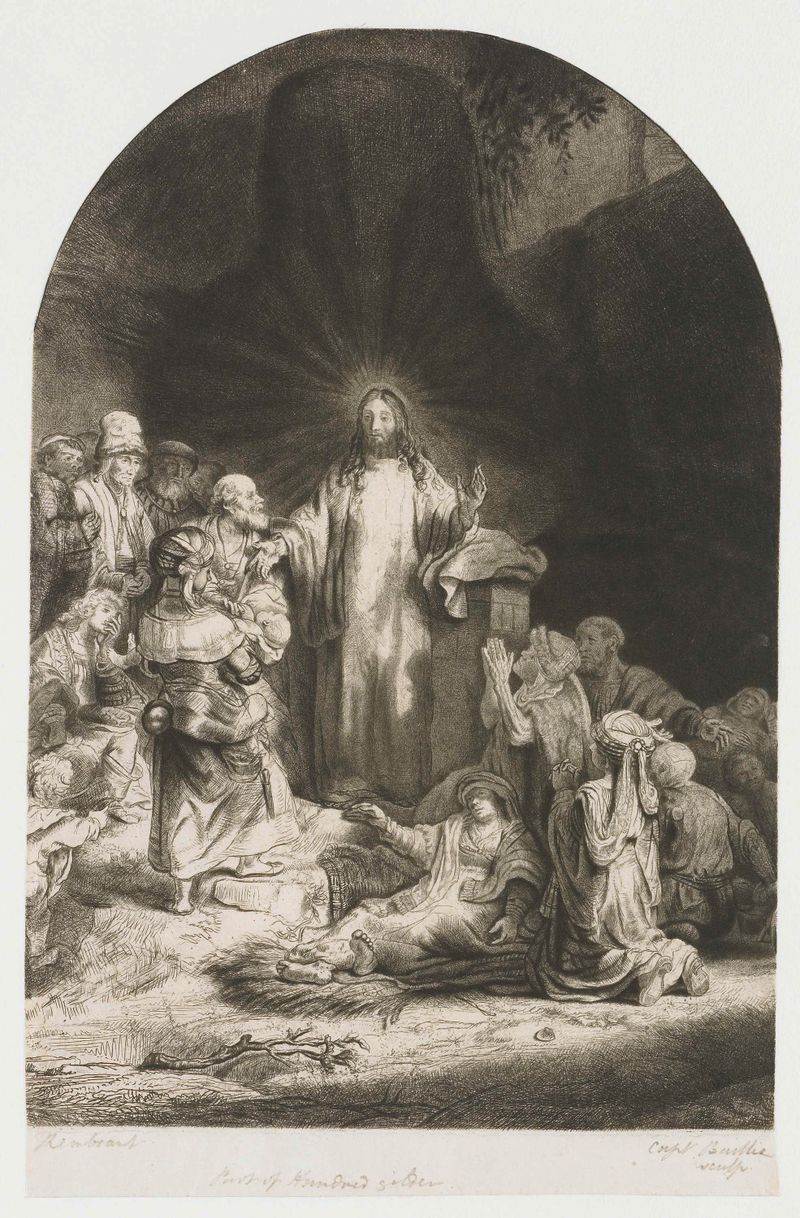
The Hundred Guilder Print: the central piece with Christ preaching, the plate arched
Rembrandt van Rijn

The Hundred Guilder Print: the man seen on the back in the lower left corner
Rembrandt van Rijn
More Religious Art
Browse all →The Return of the Prodigal Son
Rembrandt van Rijn

The Garden of Earthly Delights
El Bosco

Count Orgaz’ funeral
El Greco
The Hundred Guilder Print: the central piece with Christ preaching, the plate arched
Rembrandt van Rijn

The Descent from the Cross
Rogier van der Weyden
The return of the prodigal son
Rembrandt van Rijn