
The circumcision: small plate — History & Facts
Can beauty exist without sorrow? Rembrandt van Rijn's The circumcision: small plate invites us to ponder this poignant question, offering a glimpse into a moment steeped in tradition and emotion. It holds a mirror to memory, capturing the gentle yet profound intersection of joy and pain, life and loss. Look closely at the center of the composition, where the infant lies swaddled, innocence bathed in soft light. Notice how Rembrandt masterfully contrasts the delicate features of the child with the stern, almost solemn countenances of the gathered figures.
The play of light across their faces creates an ethereal quality, drawing our gaze to the intricacies of their expressions, which oscillate between reverence and unease. The warm palette of ochres and browns envelops the scene, instilling a sense of intimacy and grounding it in earthly realities. The work resonates with deeper meanings, especially in its portrayal of duality. The tender moment of a new life is juxtaposed with the ritual of circumcision, symbolizing the transition from innocence to societal obligation.
This tension is palpable in the figures' body language, particularly the careful, almost protective stance of the adults around the child. Each expression tells a story, revealing a shared weight of expectation and legacy, intertwining joy with an undercurrent of sorrow. Painted in the early 1630s, this work emerged during a transformative period in Rembrandt’s life while he resided in Leiden. The artist was beginning to establish his reputation, navigating the complexities of personal and professional challenges.
The piece reflects the Baroque era's fascination with human emotion and detailed realism, showcasing Rembrandt's evolving mastery in capturing the essence of his subjects amid a world filled with both beauty and hardship.
More Artworks by Rembrandt van Rijn
Browse all →
The Night Watch Militia Company of District II under the Command of Captain Frans Banninck Cocq
Rembrandt van Rijn

The Return of the Prodigal Son
Rembrandt van Rijn

The Hundred Guilder Print: the figures leaning on the wall in the centre left
Rembrandt van Rijn

The Hundred Guilder Print: the central piece with Christ preaching, the plate arched
Rembrandt van Rijn

Isaac and Rebecca, Known as ‘The Jewish Bride’
Rembrandt van Rijn
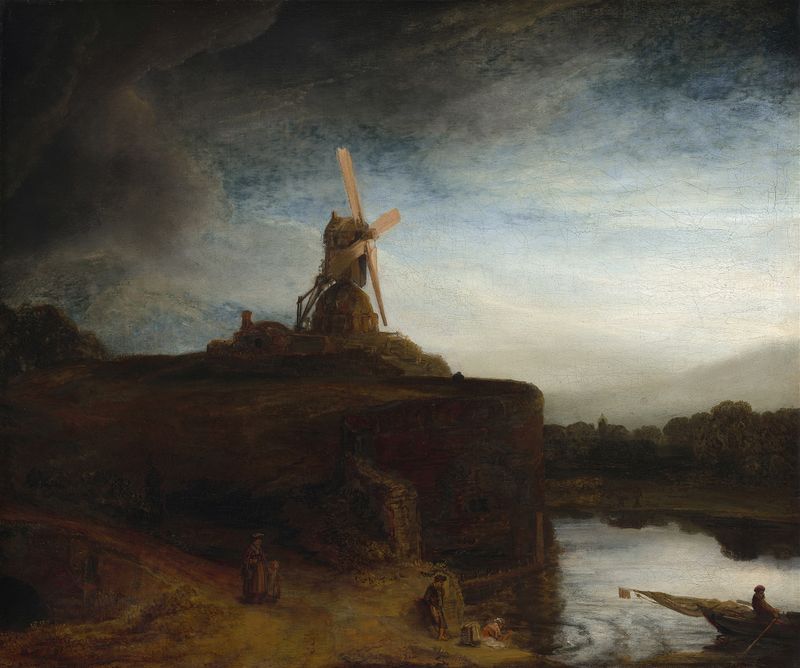
The Mill
Rembrandt van Rijn

The Sampling Officials of the Amsterdam Drapers’ Guild, Known as ‘The Syndics’
Rembrandt van Rijn

The return of the prodigal son
Rembrandt van Rijn
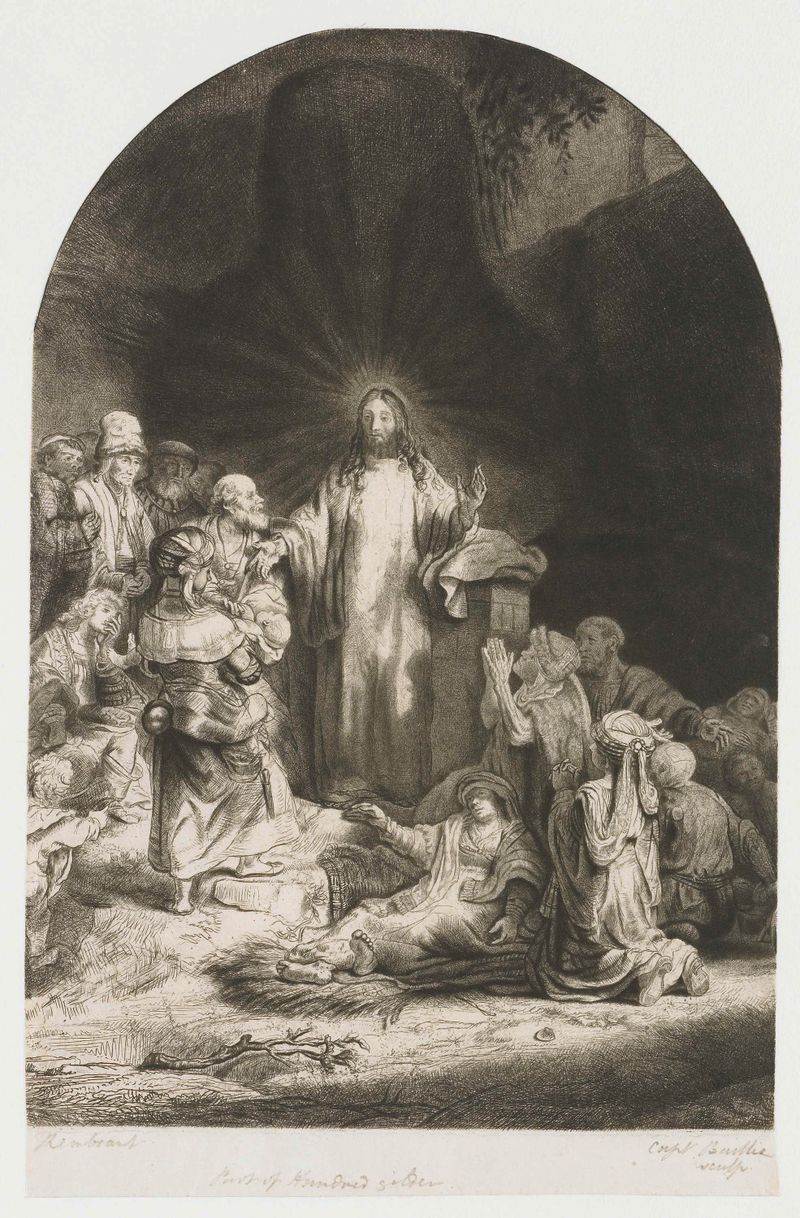
The Hundred Guilder Print: the central piece with Christ preaching, the plate arched
Rembrandt van Rijn

The Hundred Guilder Print: the man seen on the back in the lower left corner
Rembrandt van Rijn
More Religious Art
Browse all →The Return of the Prodigal Son
Rembrandt van Rijn

The Garden of Earthly Delights
El Bosco

Count Orgaz’ funeral
El Greco
The Hundred Guilder Print: the central piece with Christ preaching, the plate arched
Rembrandt van Rijn

The Descent from the Cross
Rogier van der Weyden
The return of the prodigal son
Rembrandt van Rijn