
The City of Lisbon as before the dreadful Earthquake of November 1st 1755;… — History & Facts
Can paint confess what words never could? In the hushed atmosphere of The City of Lisbon as before the dreadful Earthquake of November 1st 1755, a stillness pervades, teetering on the edge of calamity. Look to the horizon, where the delicate brushstrokes of buildings stretch like whispers against the expansive sky. The soft hues of orange and yellow mingle with deeper shadows, creating a vibrancy that belies the impending disaster. Pay attention to the intricate details of the architecture; each facade tells a story of pride and resilience, yet the composition itself hints at a fragile stability, poised for upheaval. The contrast between the lively marketplace in the foreground and the serene skyline evokes a profound tension.
Here, the bustling figures engage in daily rituals, blissfully unaware of the fate that awaits. Notice how the artist captures their gestures—hands raised in conversation, smiles exchanged—yet beneath this gaiety lies an undercurrent of silence, a premonition cloaked in ordinary life. This juxtaposition of normalcy and foreboding enriches the narrative, inviting reflection on the transient nature of existence. In the mid-18th century, John Couse crafted this piece while residing in London, a period marked by growing interest in the depiction of urban landscapes.
The artwork reflects the tension of a world on the brink of change, both for the artist and society as a whole. As Lisbon stood poised on the cusp of disaster, so too did the art world grapple with the shifting tides of thought and perception, making this painting a poignant moment suspended in time.
More Historical Art
Browse all →
The Night Watch Militia Company of District II under the Command of Captain Frans Banninck Cocq
Rembrandt van Rijn
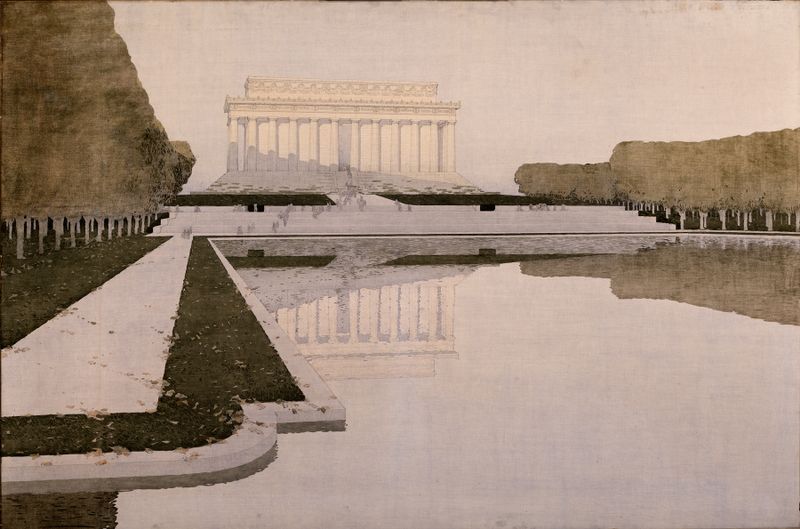
Lincoln Memorial
Henry Bacon
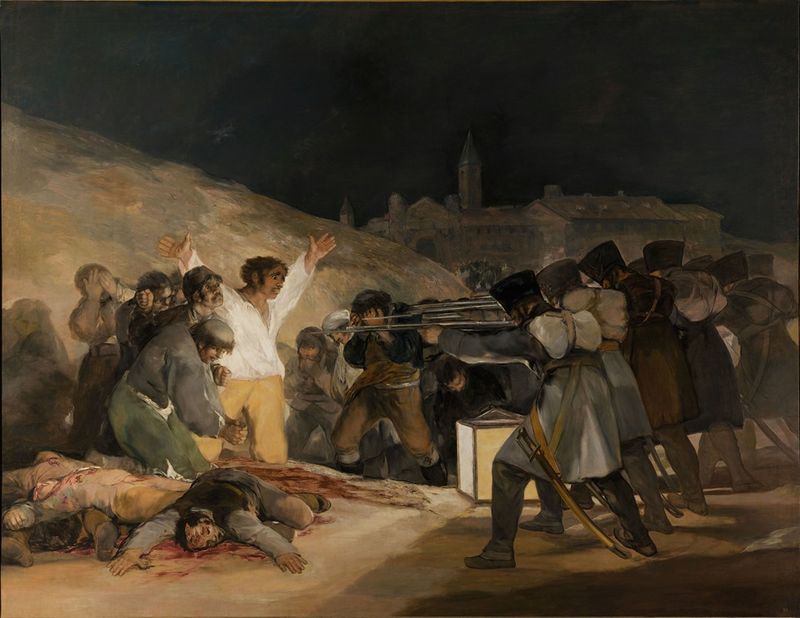
The Third of May 1808
Francisco de Goya

Isaac and Rebecca, Known as ‘The Jewish Bride’
Rembrandt van Rijn
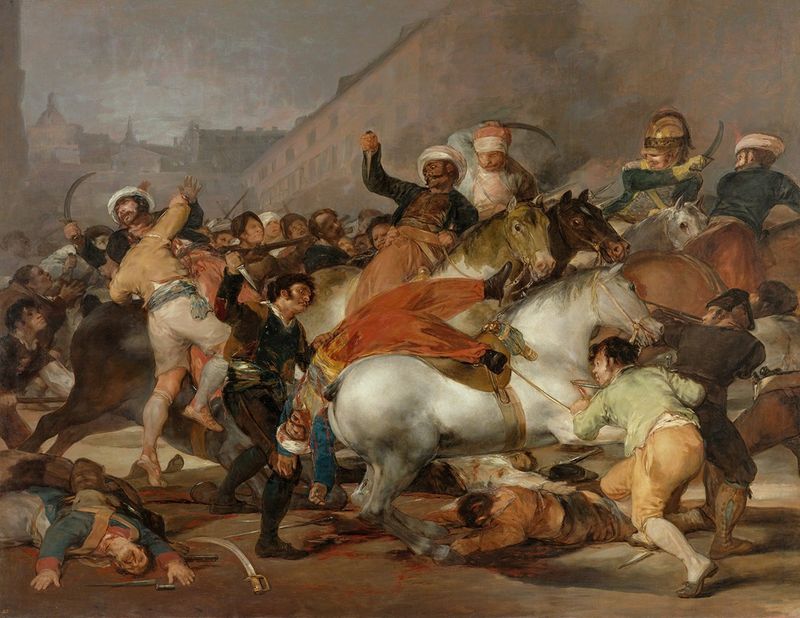
The Charge of the Mamelukes (1814)
Francisco de Goya

De vier ruiters van de apocalyps
Albrecht Dürer