The Cliff — History & Facts
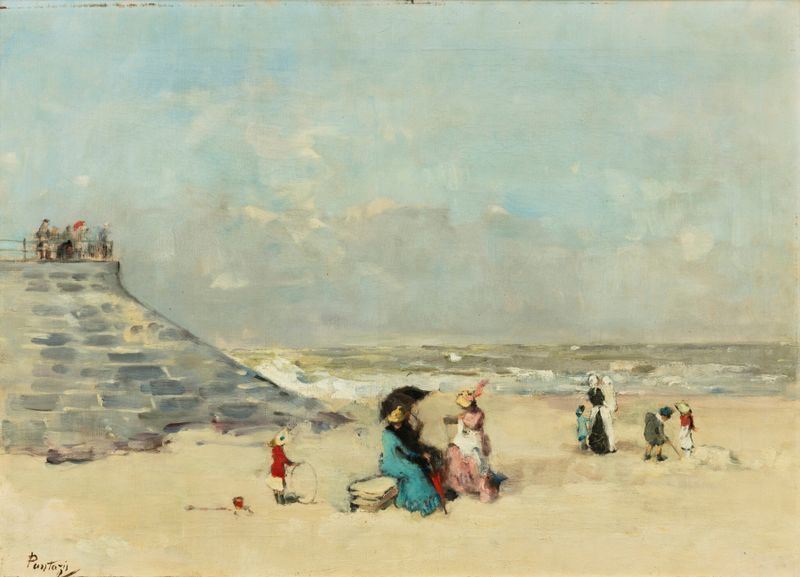
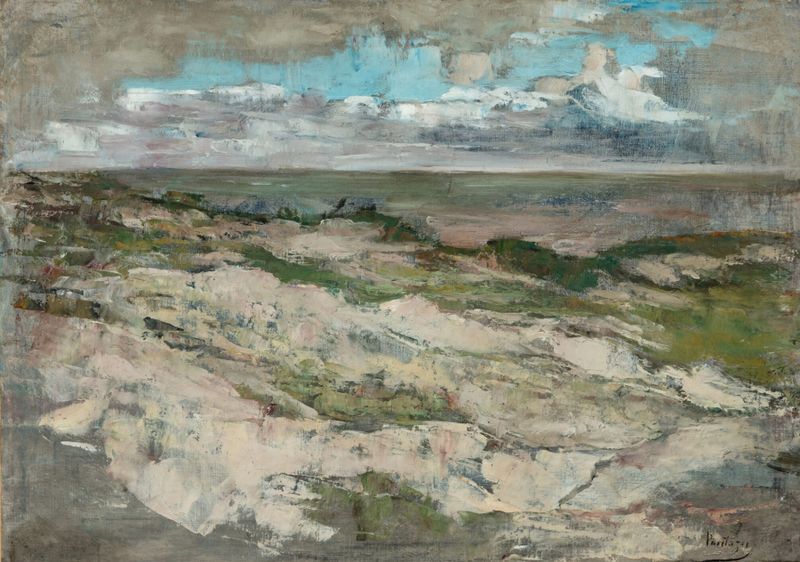
In the stillness of The Cliff, a void stretches out before us, a vast expanse that invites contemplation and introspection. It speaks of the unspoken truths hidden within the human experience, echoing the sentiments of those who stand on the precipice of both nature and emotion. Look to the left at the rugged cliffs, where deep, earthy tones blend seamlessly with the gentle blues of the sky. The artist’s brushstrokes create texture, giving life to the craggy surfaces that almost seem to pulsate with the weight of their history.
Notice how the light dances delicately over the edges, casting shadows that hint at depth and mystery, drawing the viewer deeper into the composition. The contrast between the bright sky and dark rock symbolizes the tension between hope and despair, a duality that permeates the scene. Within this landscape lies a profound exploration of isolation and introspection. The cliff stands firm and unyielding, yet its presence is a reminder of vulnerability; on the edge, one can both discover and lose.
The void between the land and the horizon prompts a reflection on life’s uncertainties and the potential for transformation in moments of solitude. Each stroke contributes to an atmosphere that encourages viewers to confront their own fears and desires, the silence whispering of what is left unsaid. Created in 1882, this piece emerged during a period of artistic exploration for Pericles Pantazis, who was deeply influenced by the Impressionist movement while residing in France. This was a time of tumultuous change in the art world, as traditional forms began to give way to more expressive interpretations of reality.
Pantazis sought to balance the tension of his Greek heritage with the evolving techniques of contemporary art, capturing both the beauty and the complexity of nature in works like this.