The coast of Lebanon — History & Facts
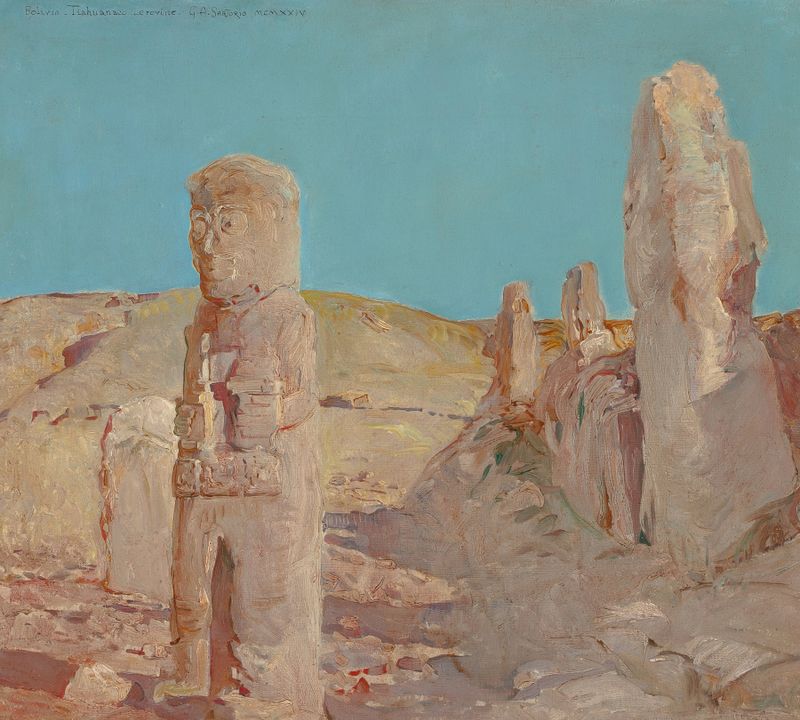
In the vast canvas of existence, emptiness often speaks volumes, echoing the silent shadows of what once was. Look to the horizon, where the muted blues of the sea blend seamlessly with the pale, ethereal sky. The composition draws you toward the distant coast, a rhythmic dance of gentle waves and craggy cliffs rendered in soft, almost dreamlike strokes. Notice how the lighter hues suggest the presence of light, almost illuminating the absence of defined figures or bustling activity, creating an atmosphere tinged with a poignant stillness. The interplay of light and shadow unveils layers of meaning—here, the absence of human life may evoke a sense of nostalgia or longing for connection.
Each brushstroke captures the tension between the tranquility of nature and the solitude it imparts, suggesting a deeper reflection on the passage of time and the inevitability of change. Details such as the wispy clouds and the delicate texture of the water highlight fleeting moments, reminding viewers of what is lost yet still felt. In his work during the late 19th and early 20th centuries, Sartorio was influenced by the Symbolist movement, an era characterized by an exploration of the emotional and the abstract. Created in a period of personal and artistic evolution, this piece reflects not only his talent but also the shift within the art world towards emotive landscapes, as artists began to delve deeper into the human psyche and the allure of the unknown.