
Discover insights about this artwork
The Combat of Vitue and Pleasure in the Presence of Hercules — History & Facts
In The Combat of Virtue and Pleasure in the Presence of Hercules, we see a vivid scene filled with contrasting colors. The figures of Virtue and Pleasure are depicted in dynamic poses, engaging in a struggle. Hercules stands as a powerful presence in the background, watching the conflict unfold.
The setting is rich with symbolic elements that enhance the narrative of the painting. This work is characterized by its detailed figures and intricate composition, typical of Albrecht Dürer's style. The use of oil on panel allows for a rich texture and depth in the colors. Viewers can observe the meticulous attention to detail in the clothing and expressions of the figures.
The painting's dimensions are approximately 120 x 100 cm, making it a substantial piece. Albrecht Dürer was a leading figure of the Northern Renaissance, known for his innovative techniques and deep understanding of human emotion. This painting reflects his interest in allegory and moral themes, common in his works. Interestingly, the presence of Hercules symbolizes strength and virtue, contrasting with the allure of pleasure.
Dürer's exploration of these themes continues to resonate with viewers today.
More Artworks by Albrecht Dürer
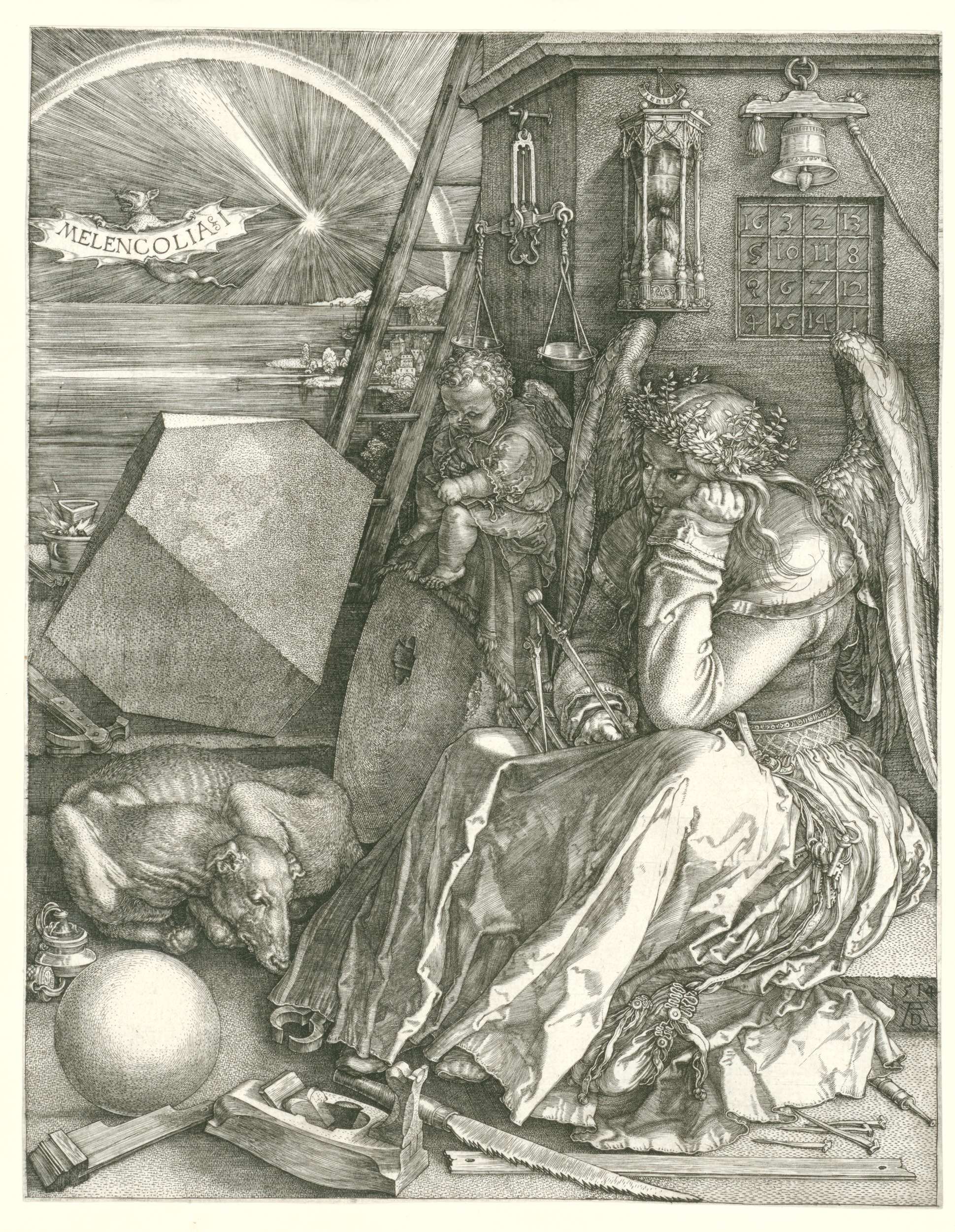
Melancholia
Albrecht Dürer

St. George and the dragon.
Albrecht Dürer

Adam and Eve (The Fall of Man)
Albrecht Dürer
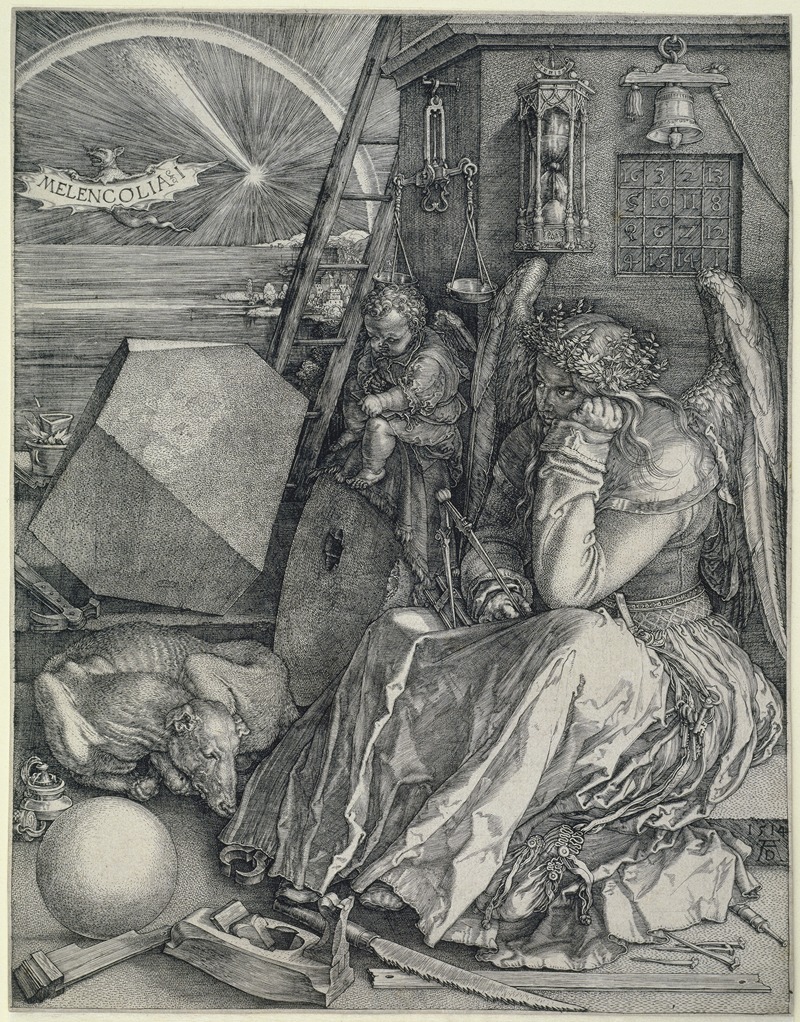
Melencolia I (The Melancholy)
Albrecht Dürer
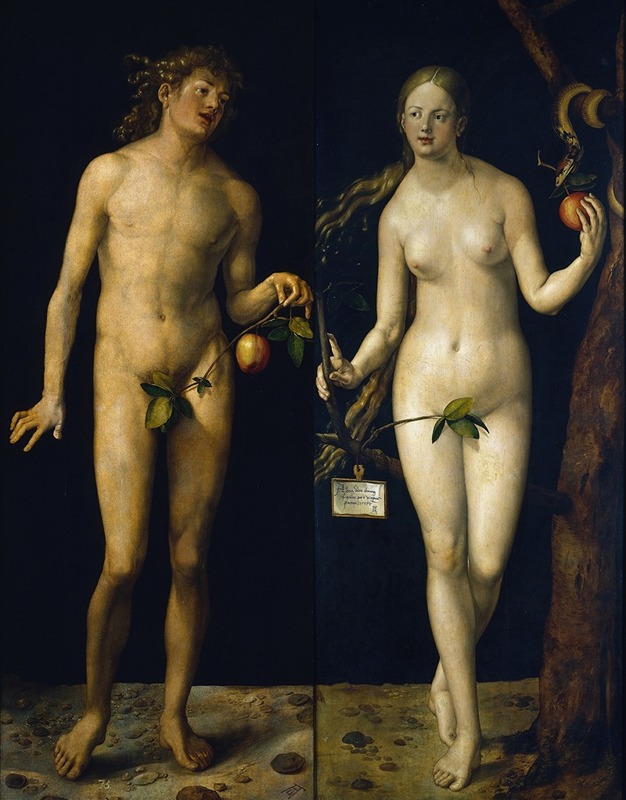
Adam And Eve
Albrecht Dürer
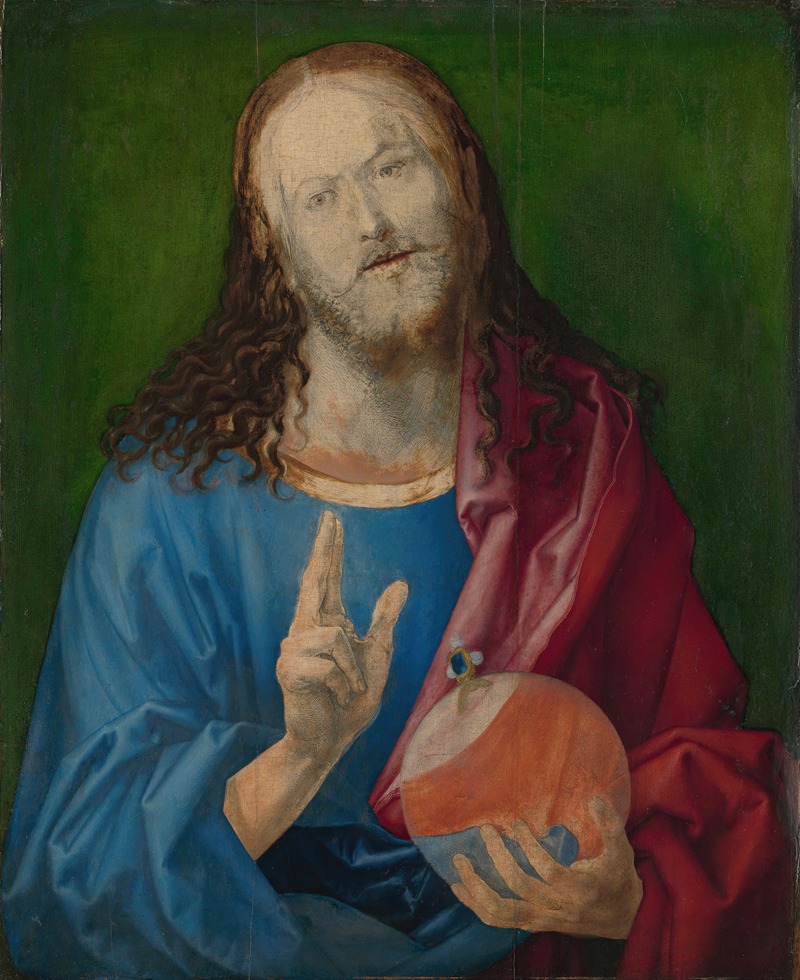
Salvator Mundi
Albrecht Dürer
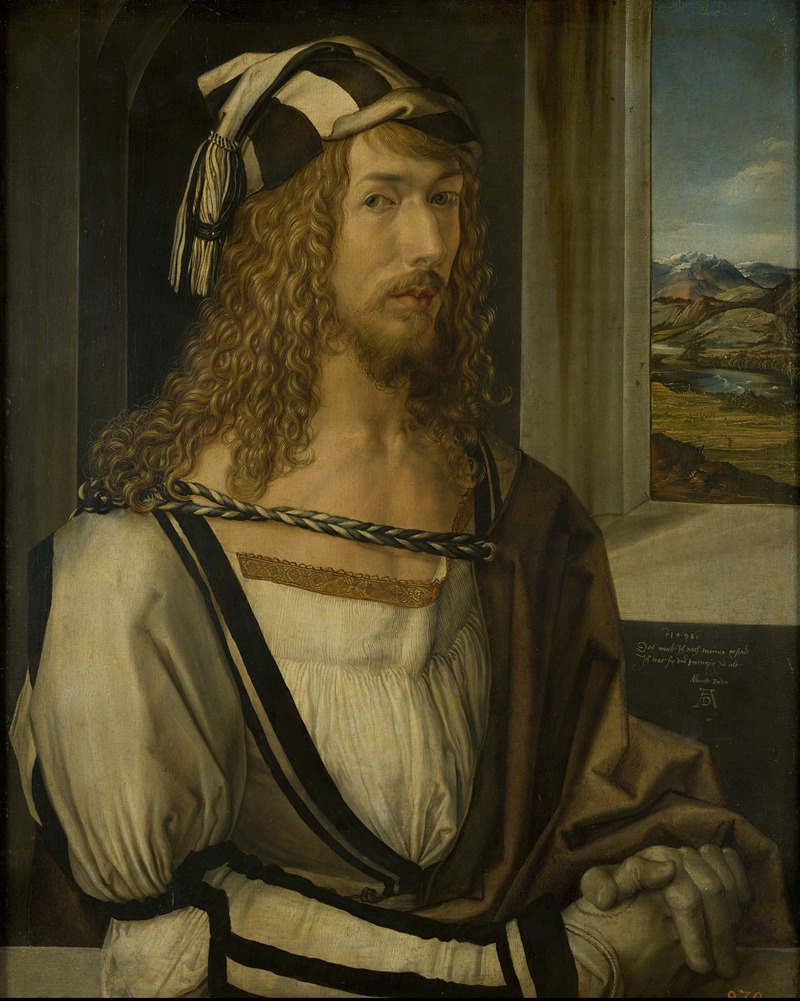
Self-portrait
Albrecht Dürer
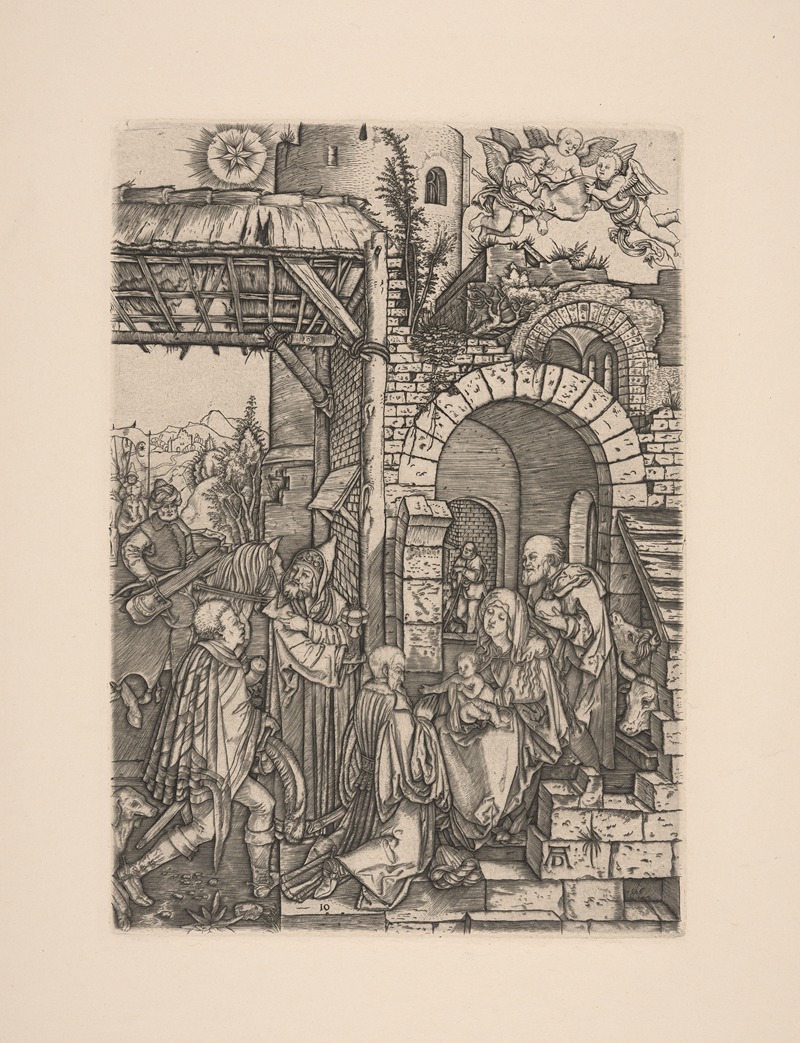
The Adoration of the Magi
Albrecht Dürer
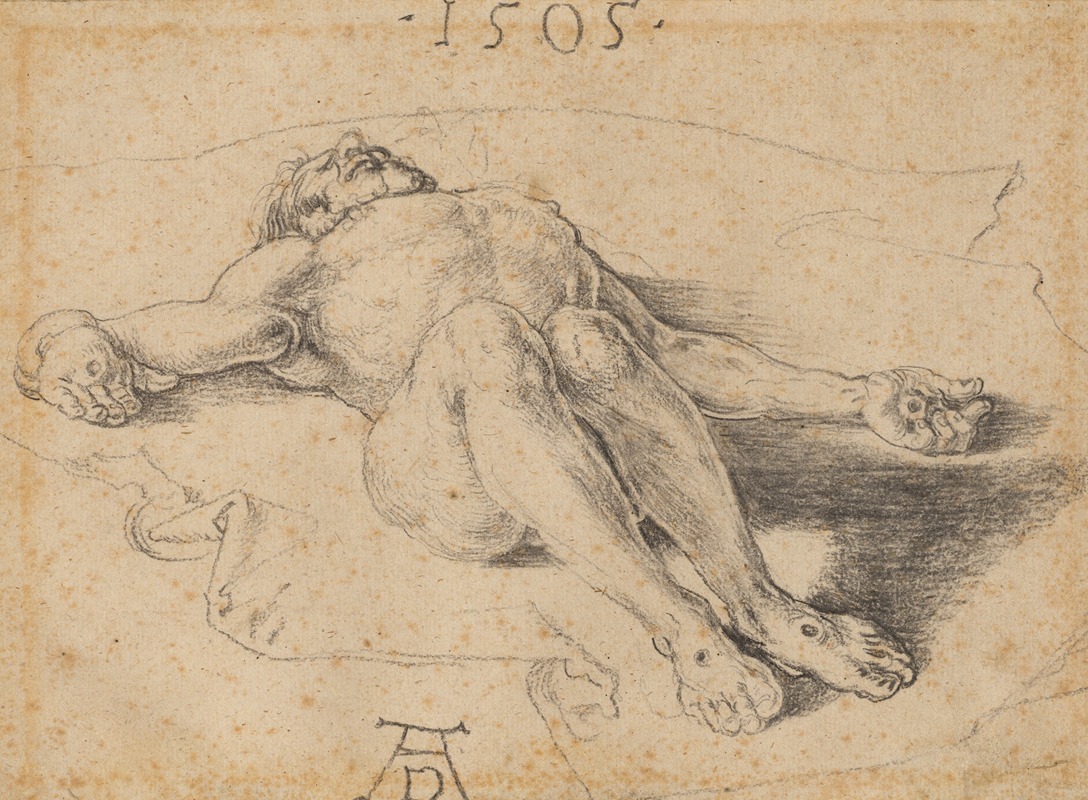
The Dead Christ
Albrecht Dürer
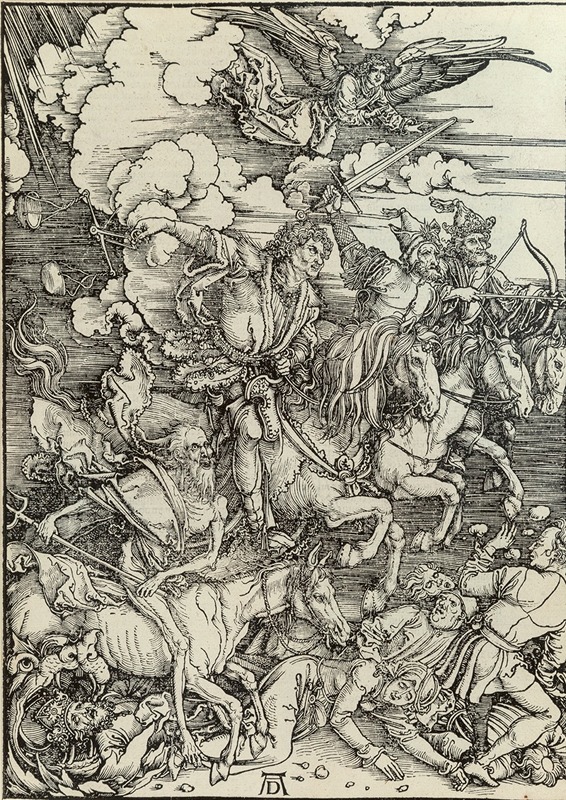
The Four Horsemen of the Apocalypse, from The Apocalypse
Albrecht Dürer
More Allegory Art
Melancholia
Albrecht Dürer
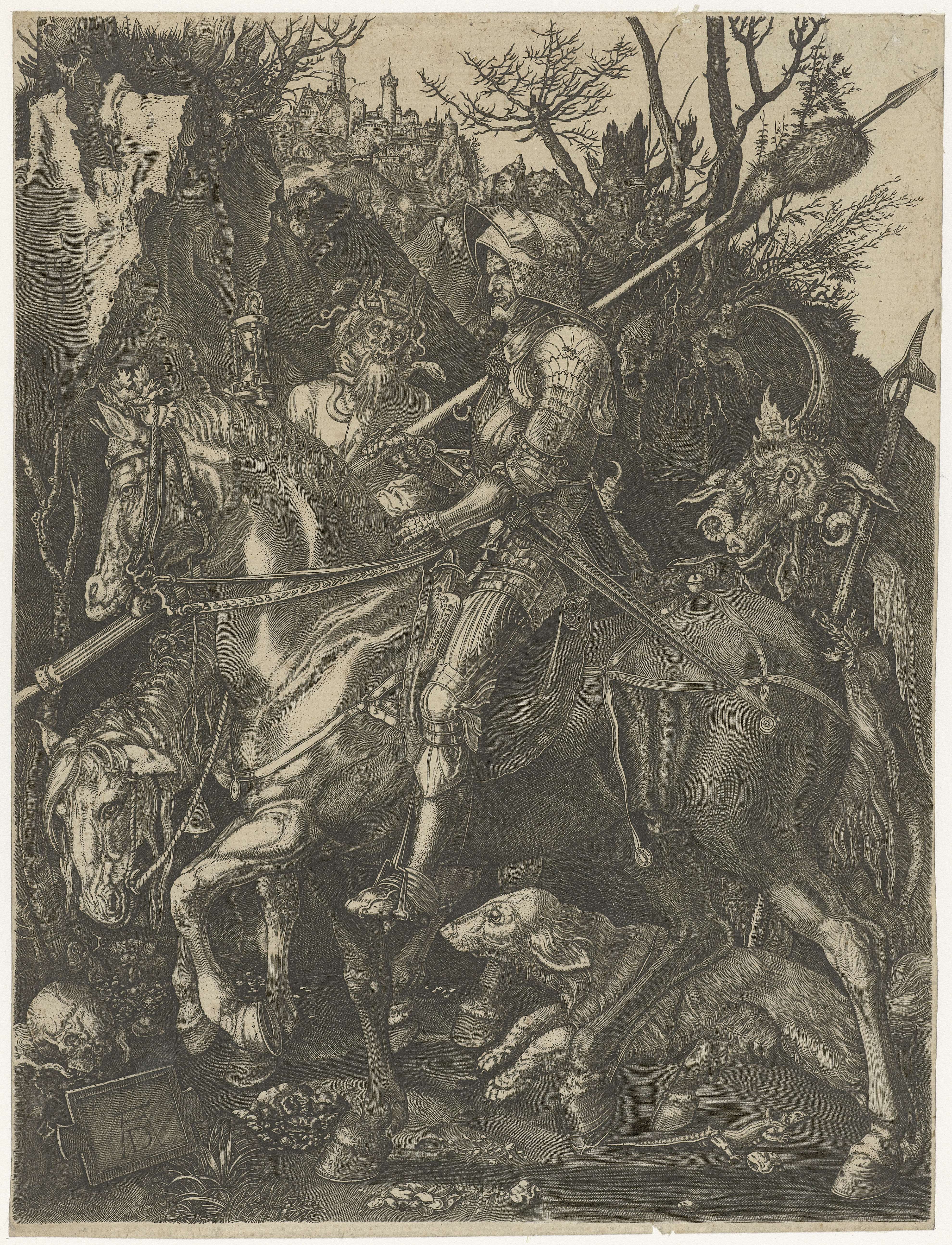
Ridder, Dood en Duivel
Unknown Artist
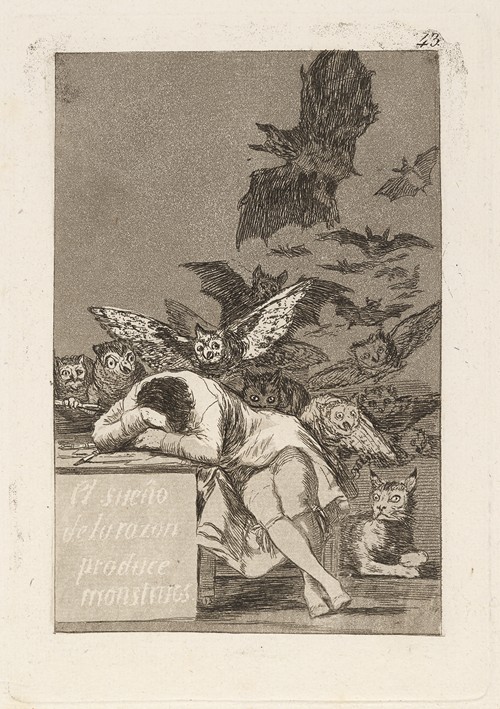
El sueño de la razon produce monstruos. (The sleep of reason produces monsters.)
Francisco de Goya
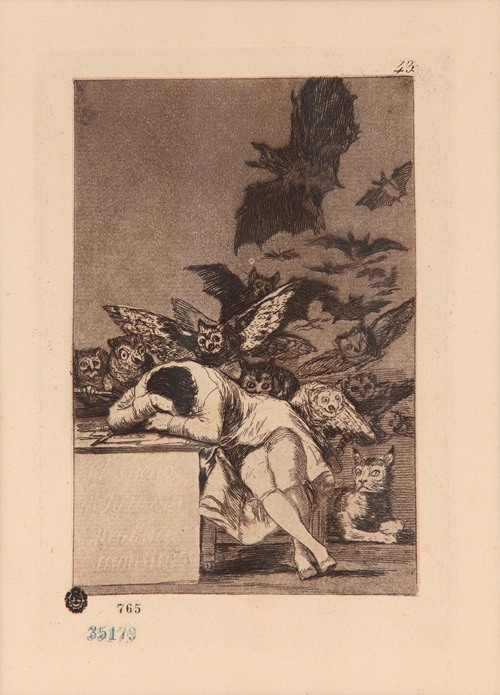
El sueño de la razon produce moustruos (Serie Caprichos)
Francisco de Goya
Melencolia I (The Melancholy)
Albrecht Dürer
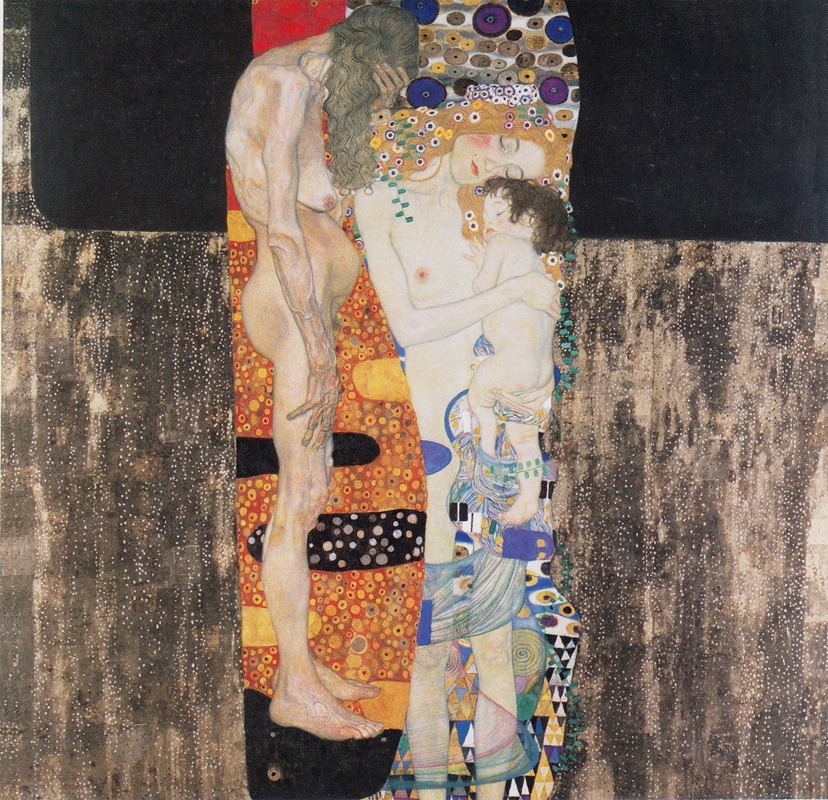
The Three Ages of the Woman
Gustav Klimt