
Discover insights about this artwork
The concord of the state — History & Facts
In The Concord of the State, Rembrandt van Rijn presents a rich tapestry of colors and figures. The painting features a diverse assembly of individuals, each symbolizing different aspects of society. The warm tones of gold and brown dominate the scene, creating a sense of unity among the figures.
The setting is both formal and dynamic, suggesting a gathering of importance. The painting is executed in oil on canvas, a medium that allows for rich texture and depth. Viewers can observe Rembrandt's characteristic use of light and shadow, enhancing the three-dimensionality of the figures. The composition is carefully arranged, with each figure contributing to the overall message of harmony and cooperation.
The approximate dimensions are 100 x 130 cm, making it a substantial piece. Rembrandt van Rijn created The Concord of the State during the Dutch Golden Age, a period marked by artistic innovation and exploration. This work reflects the political climate of the time, emphasizing the importance of unity in governance. An interesting fact about this painting is that it was likely commissioned for a civic celebration, highlighting the role of art in public life.
Rembrandt's ability to convey complex themes through allegory is evident in this significant work.
More Artworks by Rembrandt van Rijn
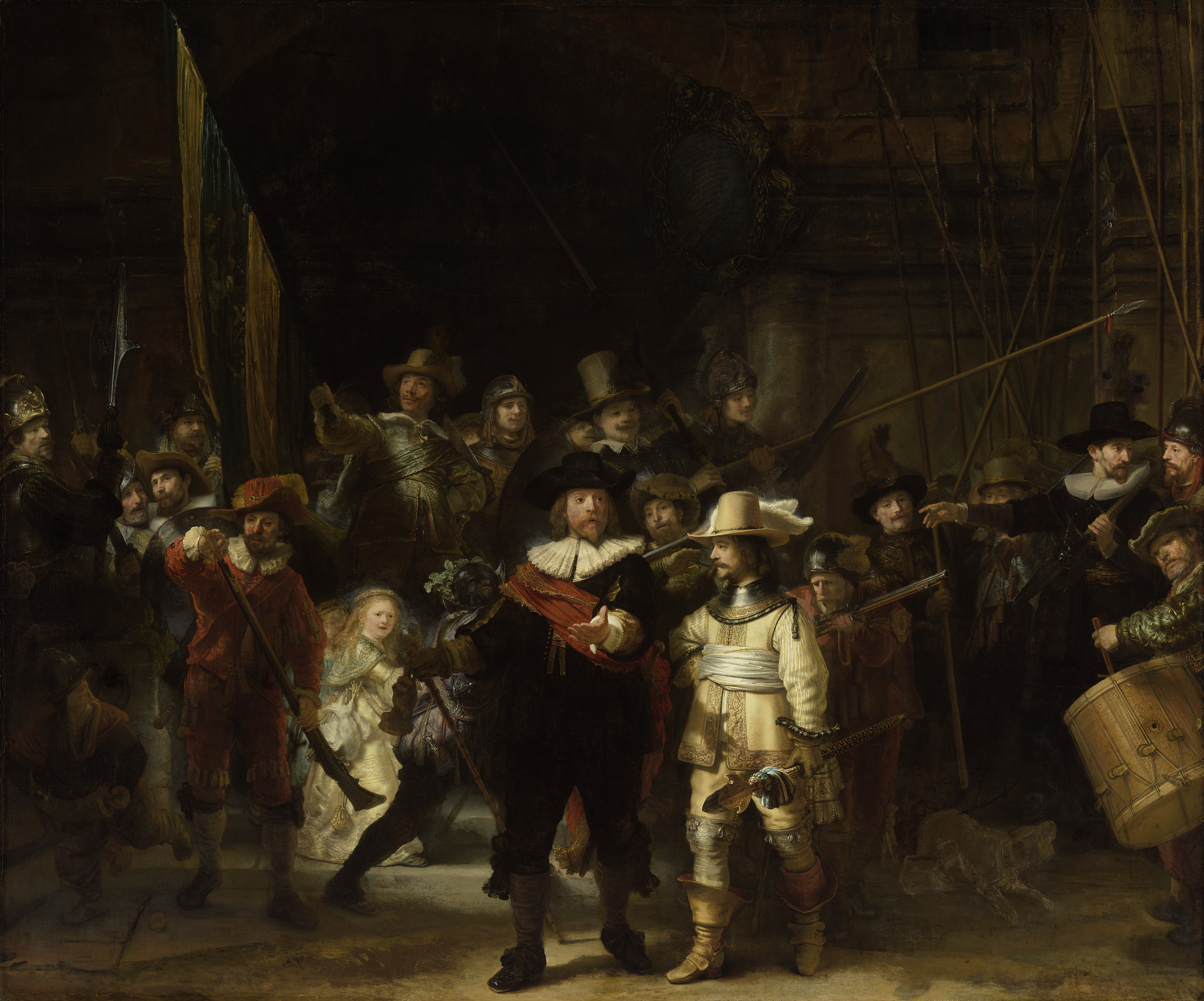
The Night Watch Militia Company of District II under the Command of Captain Frans Banninck Cocq
Rembrandt van Rijn
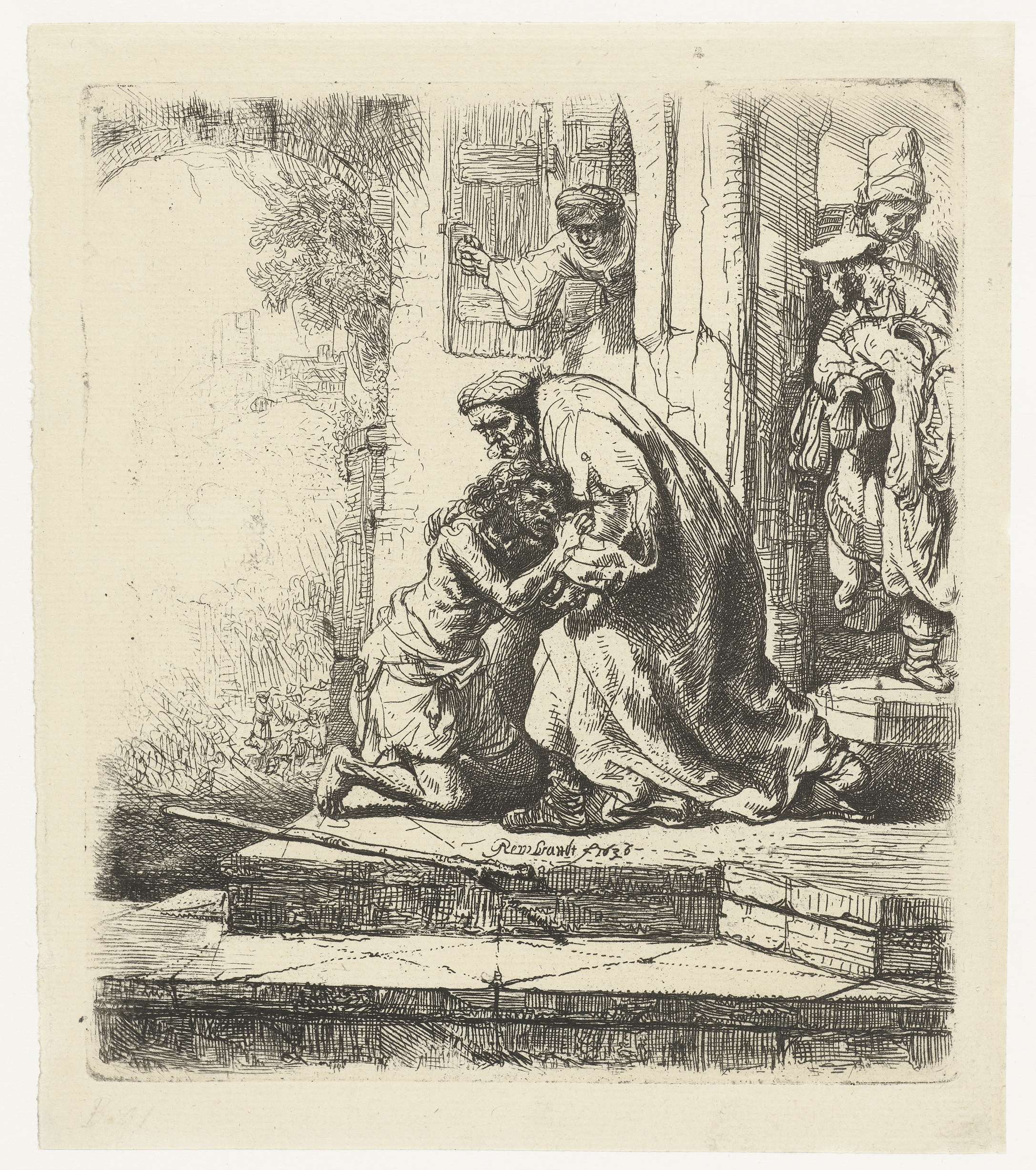
The Return of the Prodigal Son
Rembrandt van Rijn
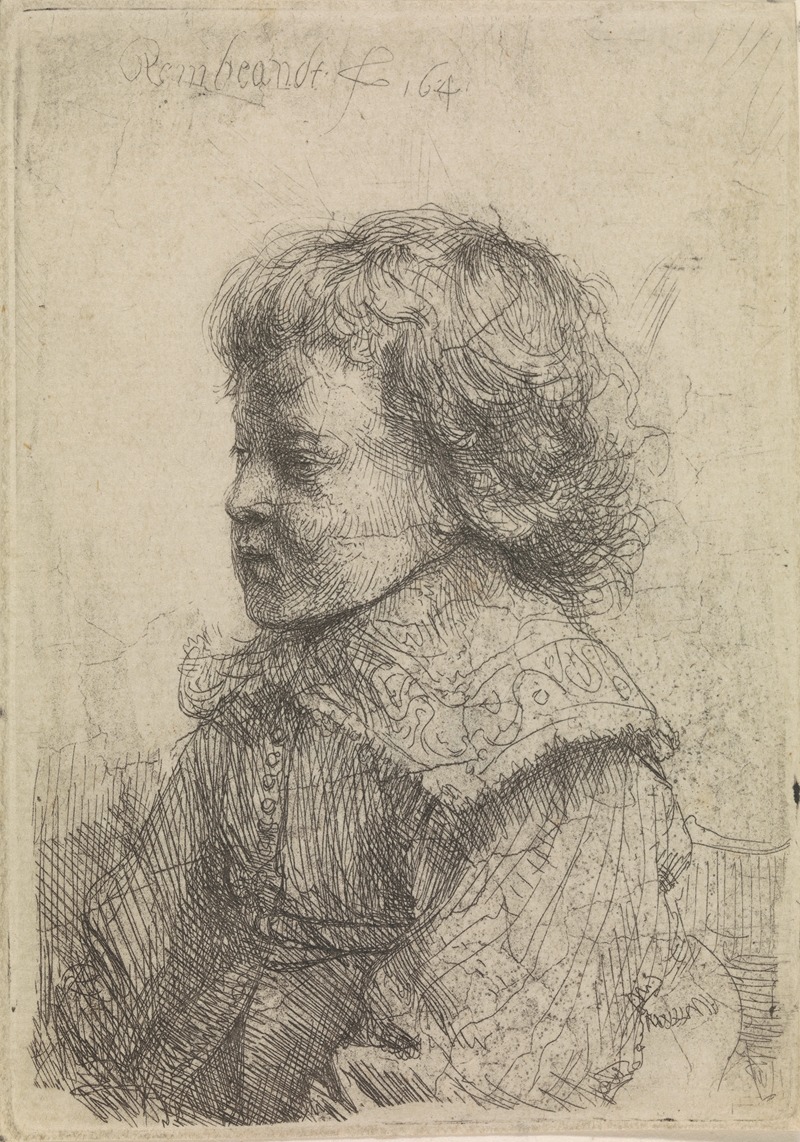
Portrait of a boy in profile
Rembrandt van Rijn
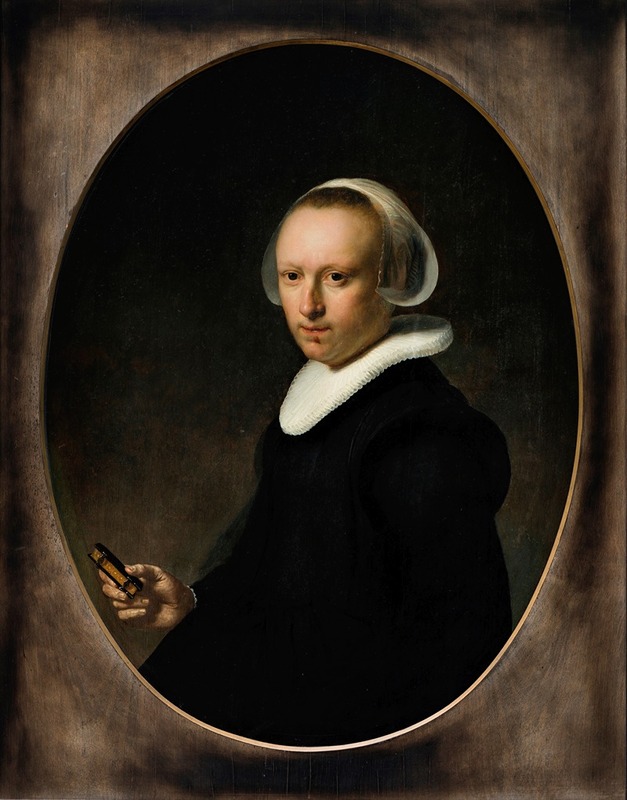
Portrait of a 39-year-old Woman
Rembrandt van Rijn
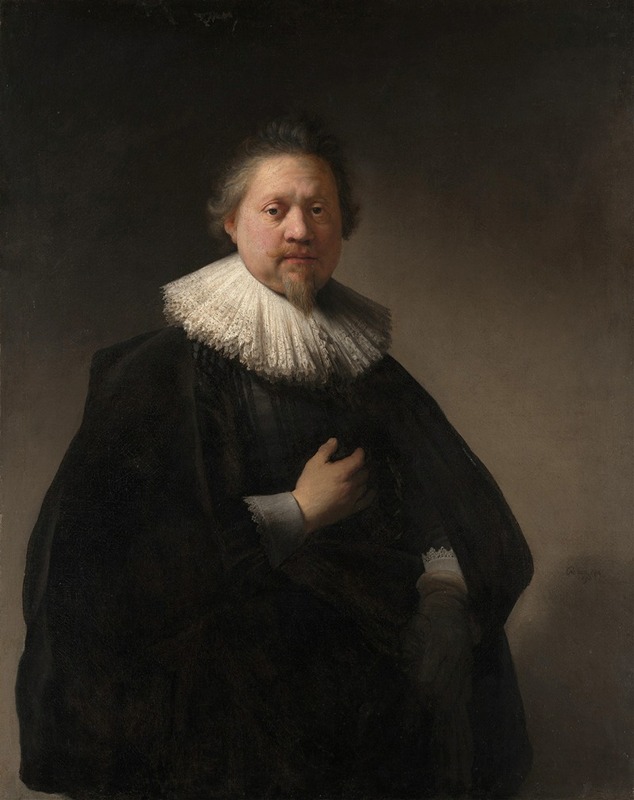
Portrait of a Man
Rembrandt van Rijn
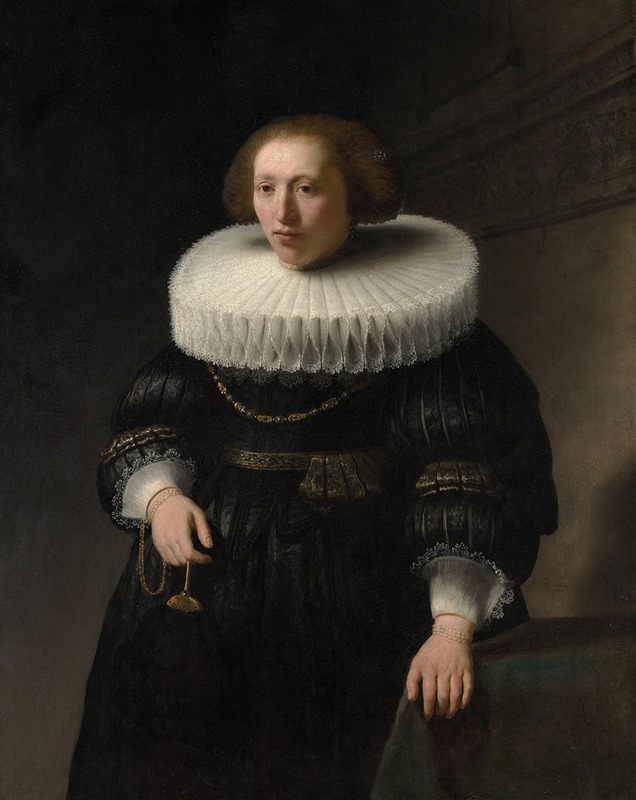
Portrait of a Woman
Rembrandt van Rijn
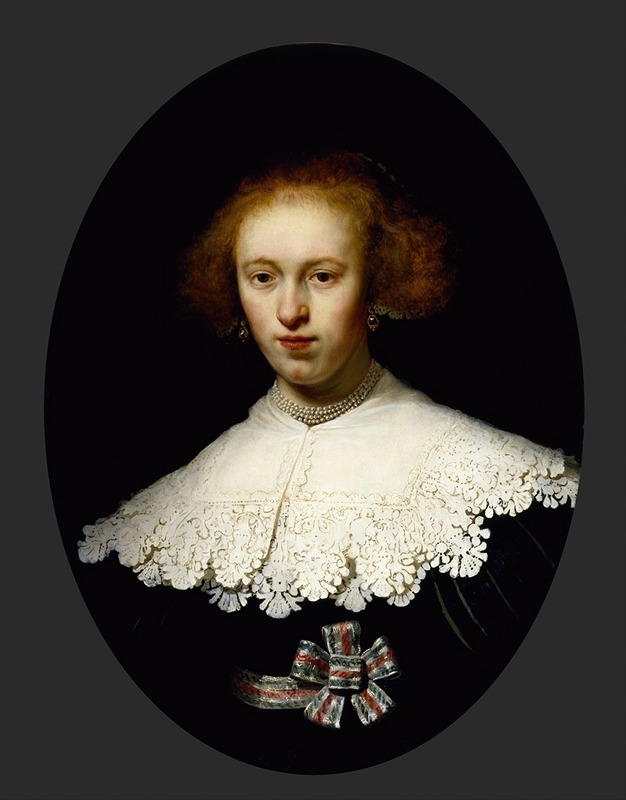
Portrait of a Young Woman
Rembrandt van Rijn
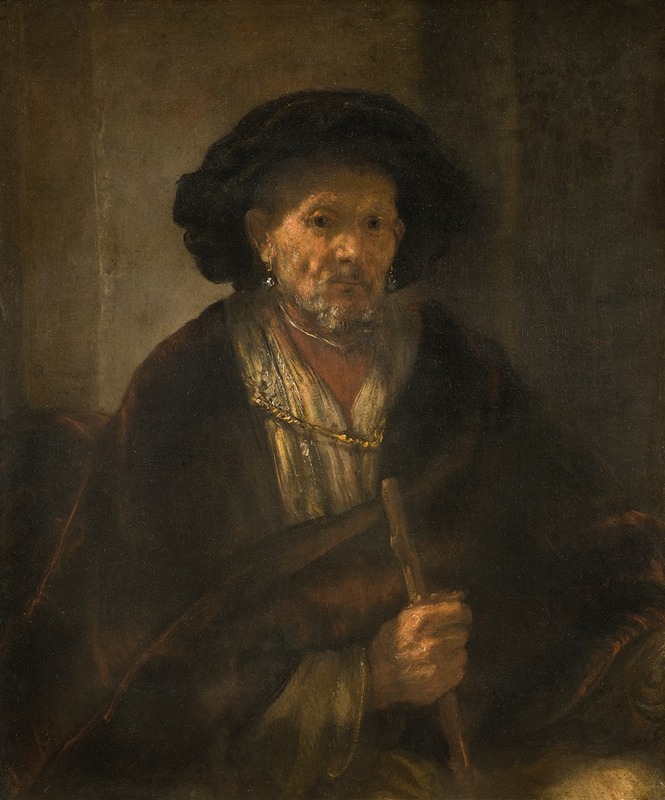
Portrait of an Old Man
Rembrandt van Rijn
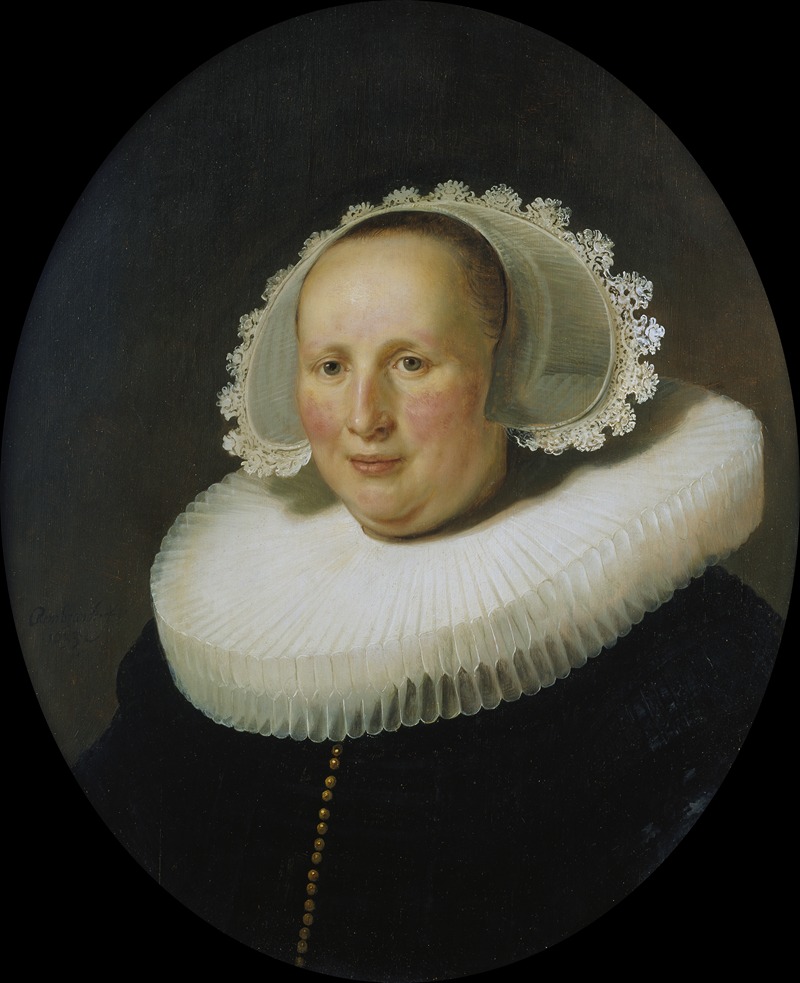
Portrait of Maertgen van Bilderbeecq
Rembrandt van Rijn
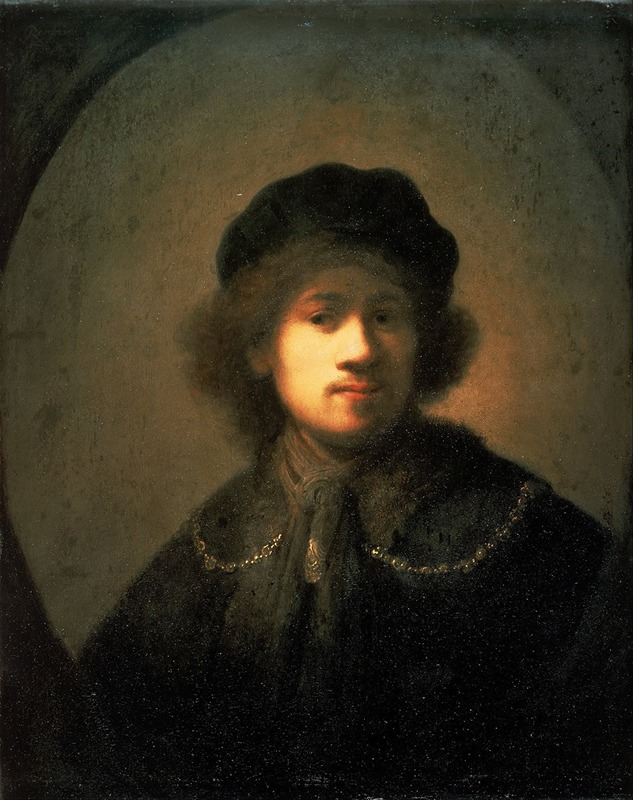
Portrait of the Artist as a Young Man
Rembrandt van Rijn
More Allegory Art
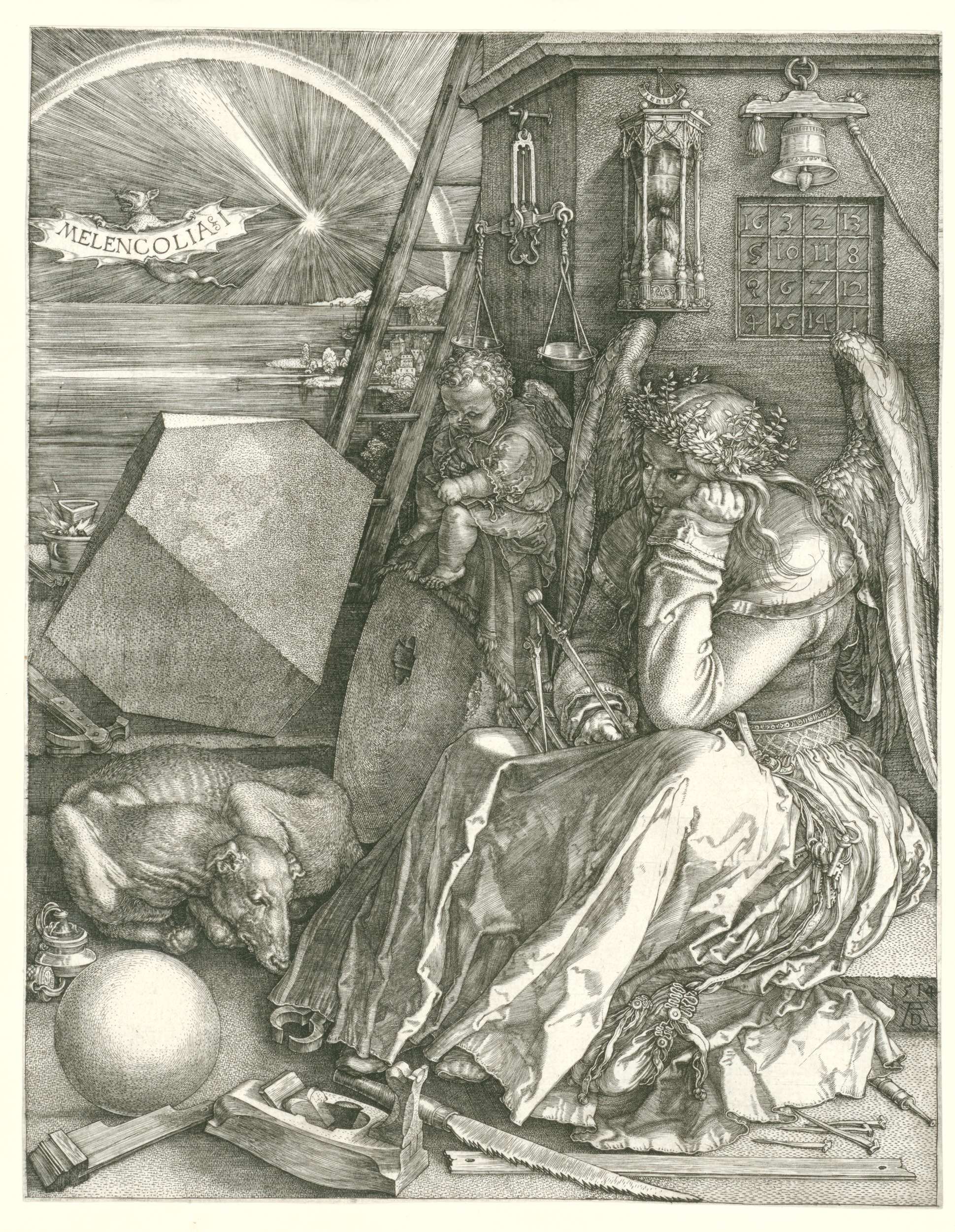
Melancholia
Albrecht Dürer
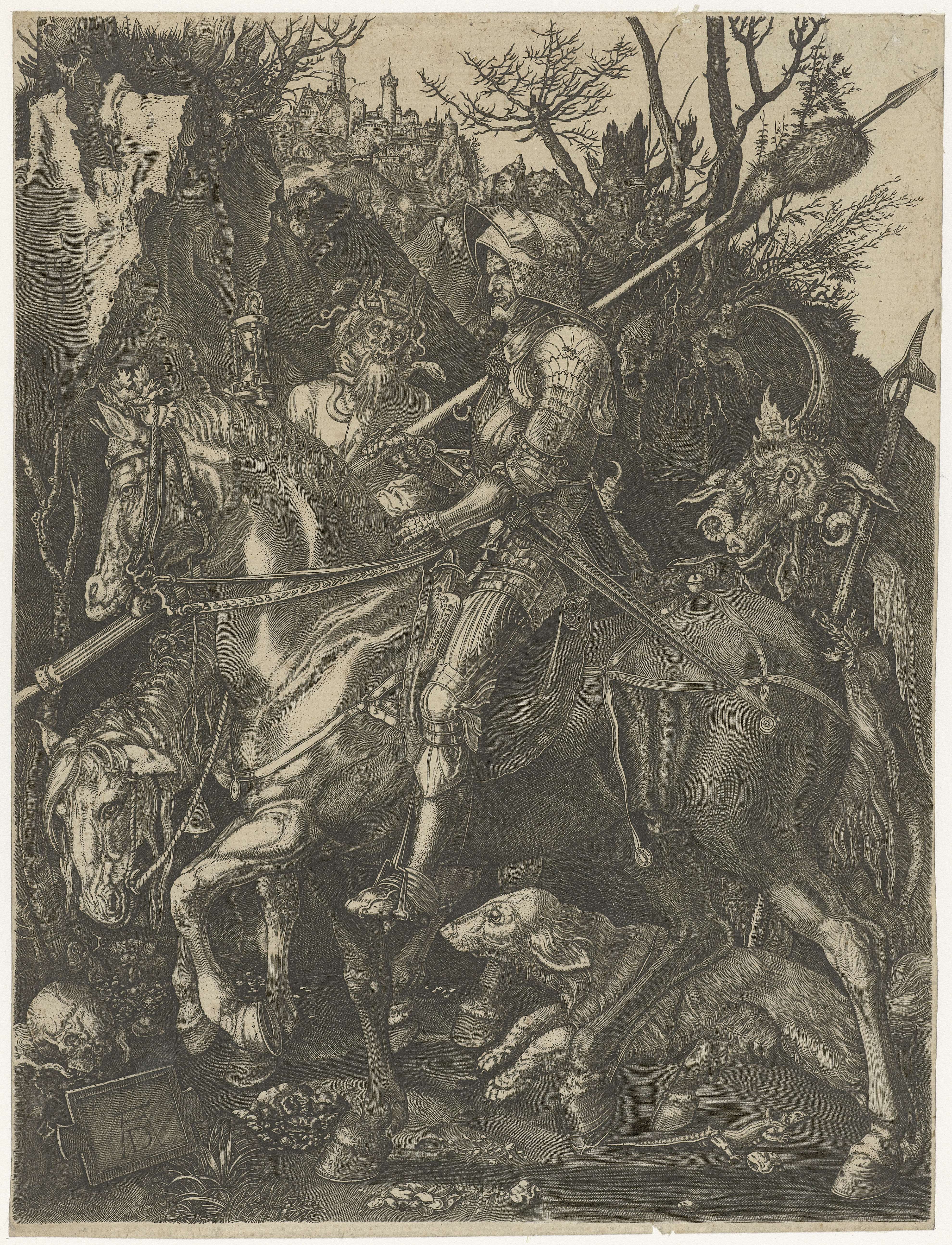
Ridder, Dood en Duivel
Unknown Artist
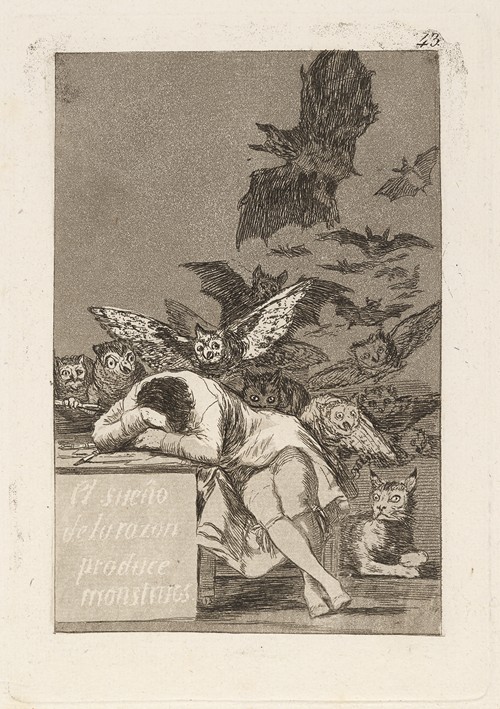
El sueño de la razon produce monstruos. (The sleep of reason produces monsters.)
Francisco de Goya
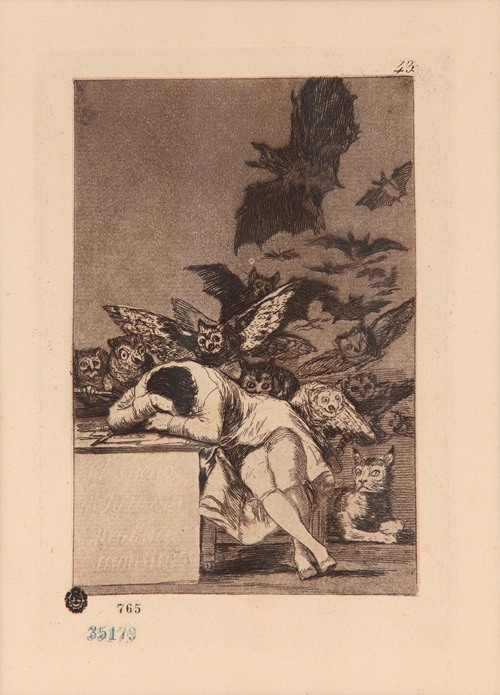
El sueño de la razon produce moustruos (Serie Caprichos)
Francisco de Goya
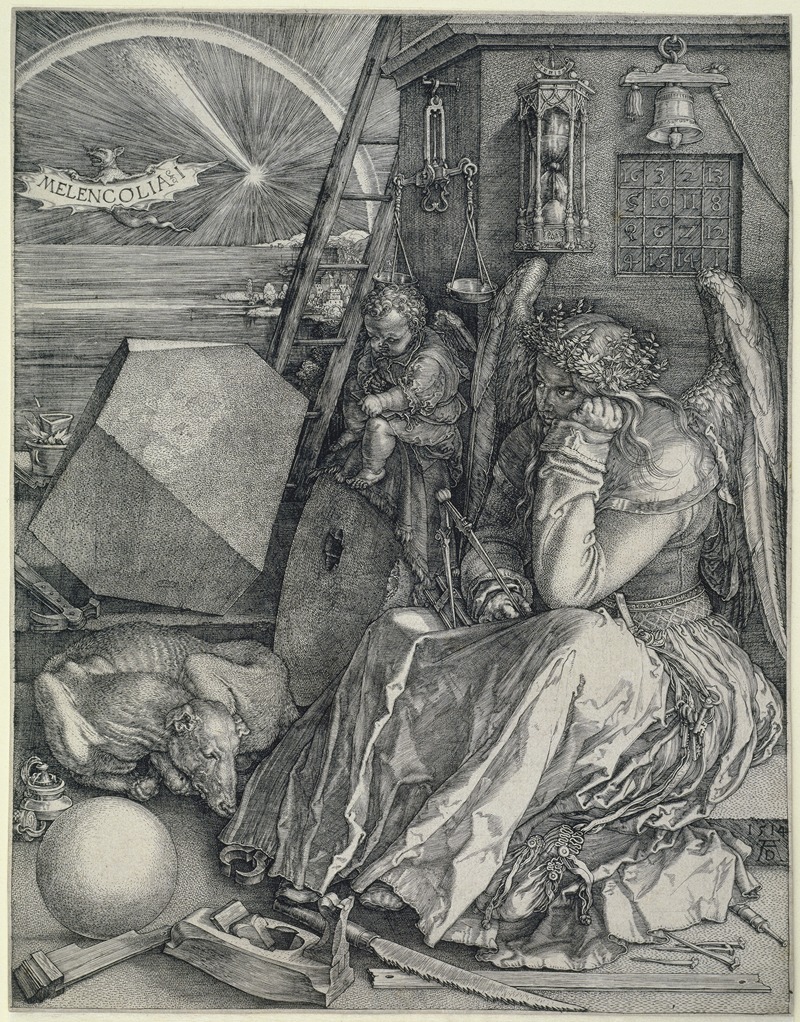
Melencolia I (The Melancholy)
Albrecht Dürer
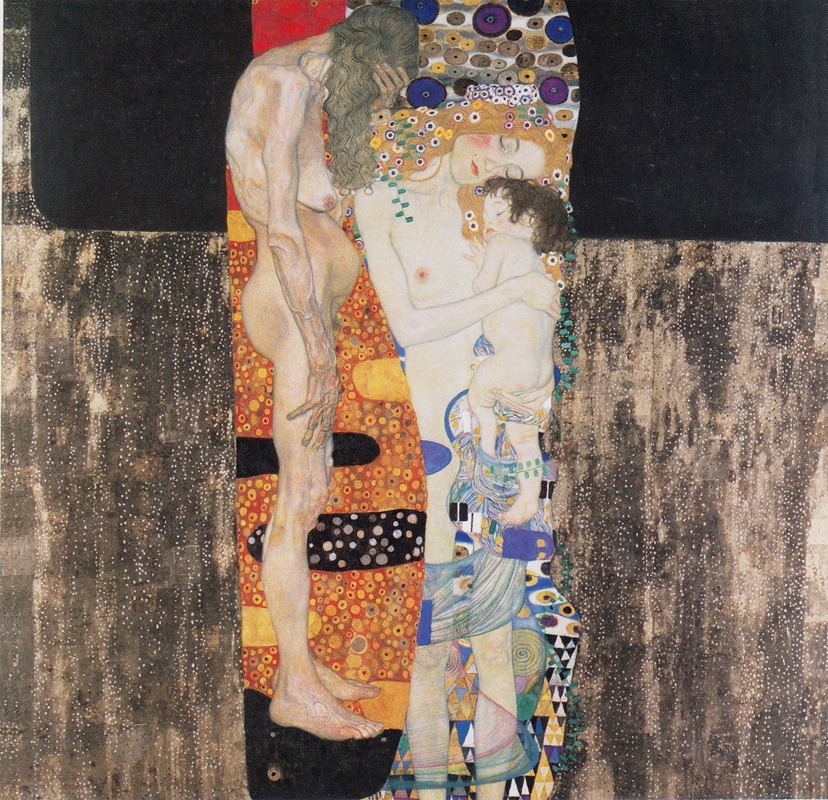
The Three Ages of the Woman
Gustav Klimt