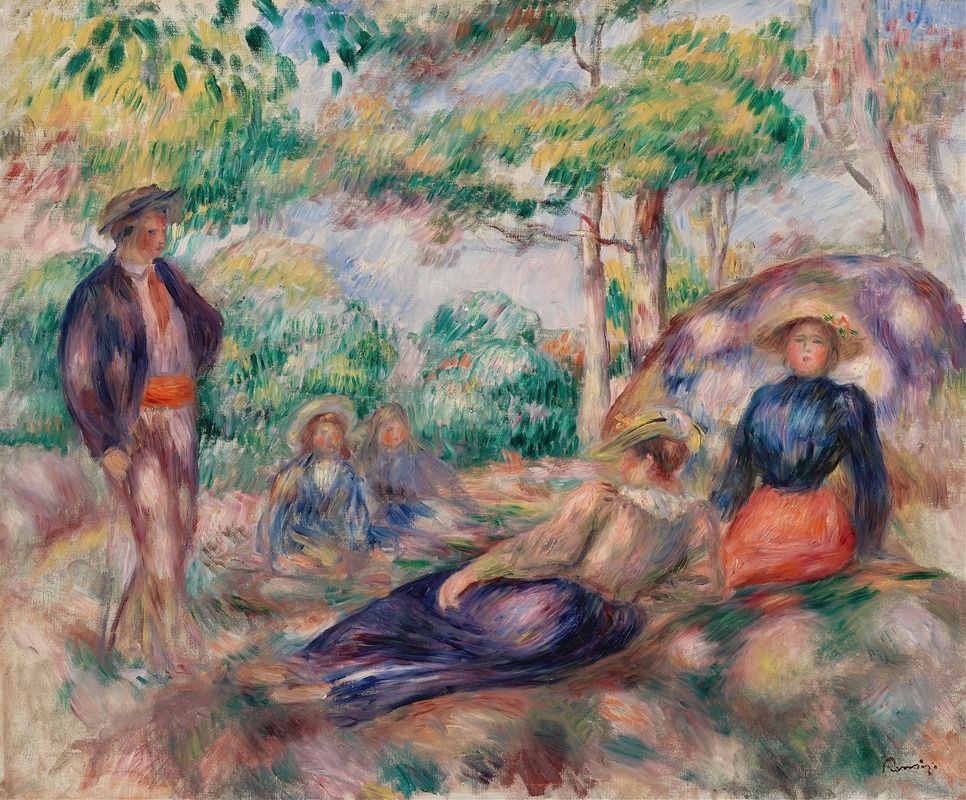
Discover insights about this artwork
The Dance Hall In Arles — History & Facts
In The Dance Hall In Arles, vibrant colors dominate the scene, with lively figures dancing and socializing. The setting is filled with warm yellows, deep blues, and bright reds, creating an energetic atmosphere. The figures, dressed in colorful clothing, seem to be caught in a moment of joy and movement.
This lively depiction reflects the social life in Arles during Van Gogh's time. The painting is an oil on canvas, showcasing Van Gogh's signature brushwork and use of color. The dimensions are approximately 73 x 92 cm, making it a sizable work that draws the viewer's attention. The dynamic composition and the swirling forms of the dancers create a sense of rhythm and movement.
The bold colors and expressive strokes are characteristic of the Post-Impressionist style. Vincent van Gogh created The Dance Hall In Arles in 1888, during his stay in the south of France. This period was crucial for Van Gogh, as he sought to capture the vibrancy of life around him. Interestingly, this painting reflects his fascination with the nightlife and social gatherings in Arles, a theme he explored in several works.
The painting is now housed in the Van Gogh Museum in Amsterdam.
More Artworks by Vincent van Gogh
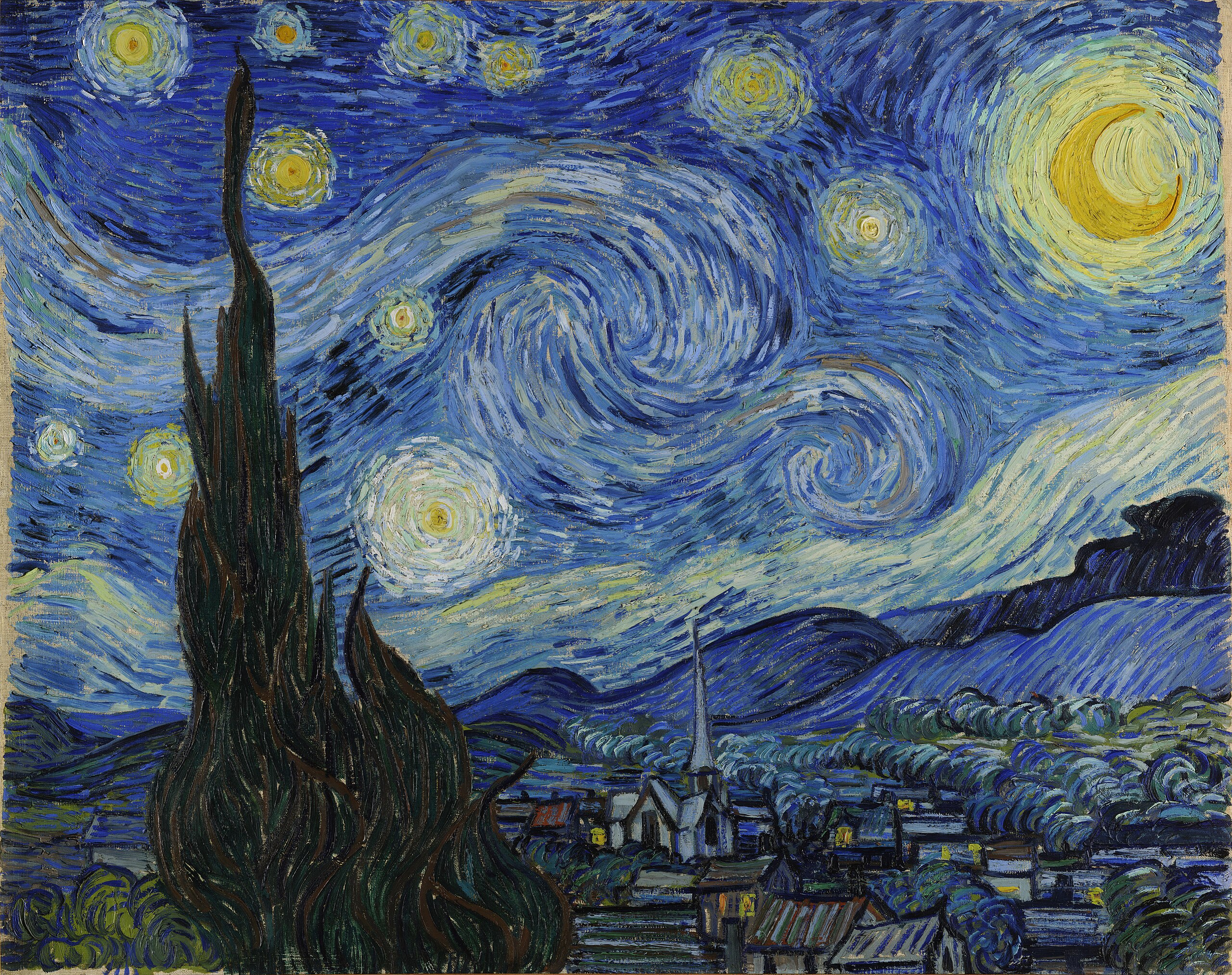
Starry Night
Vincent van Gogh
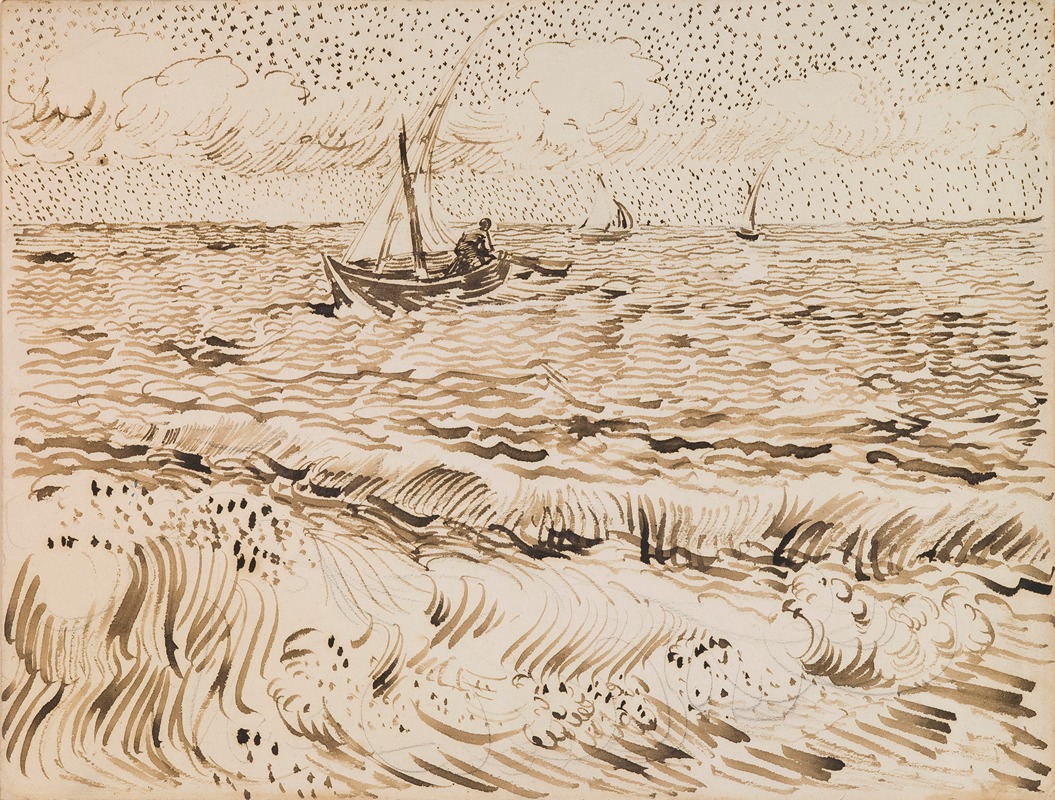
Fishing Boats at Saintes-Maries-de-la-Mer
Vincent van Gogh
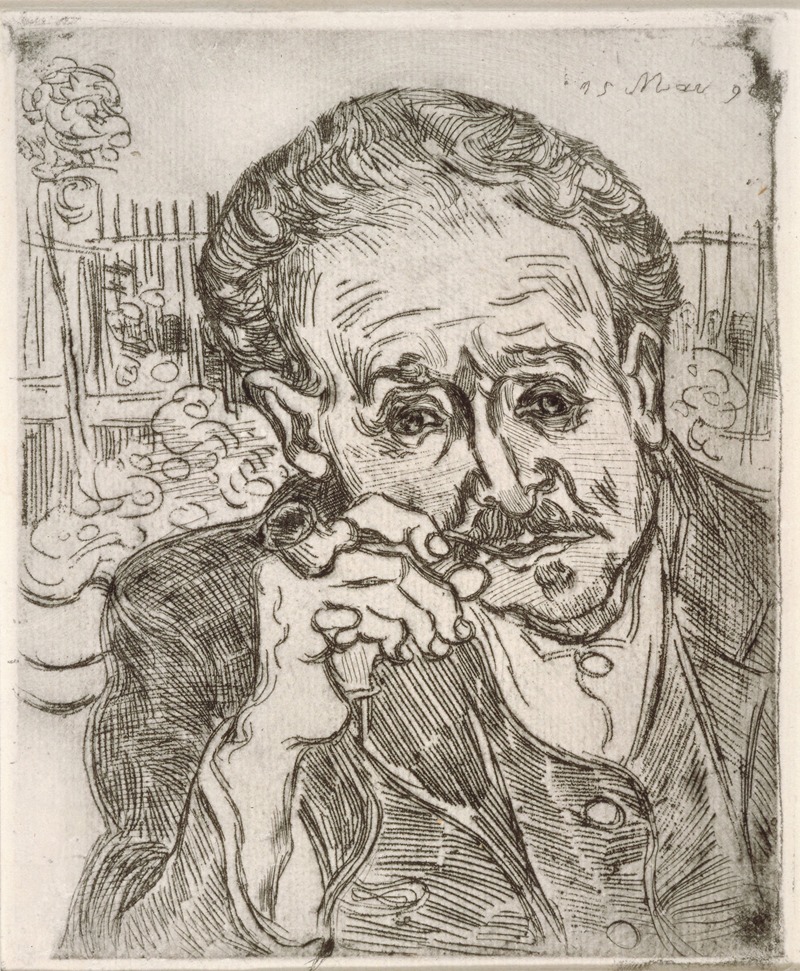
Portrait of Dr. Gachet (Auvers-sur-Oise)
Vincent van Gogh
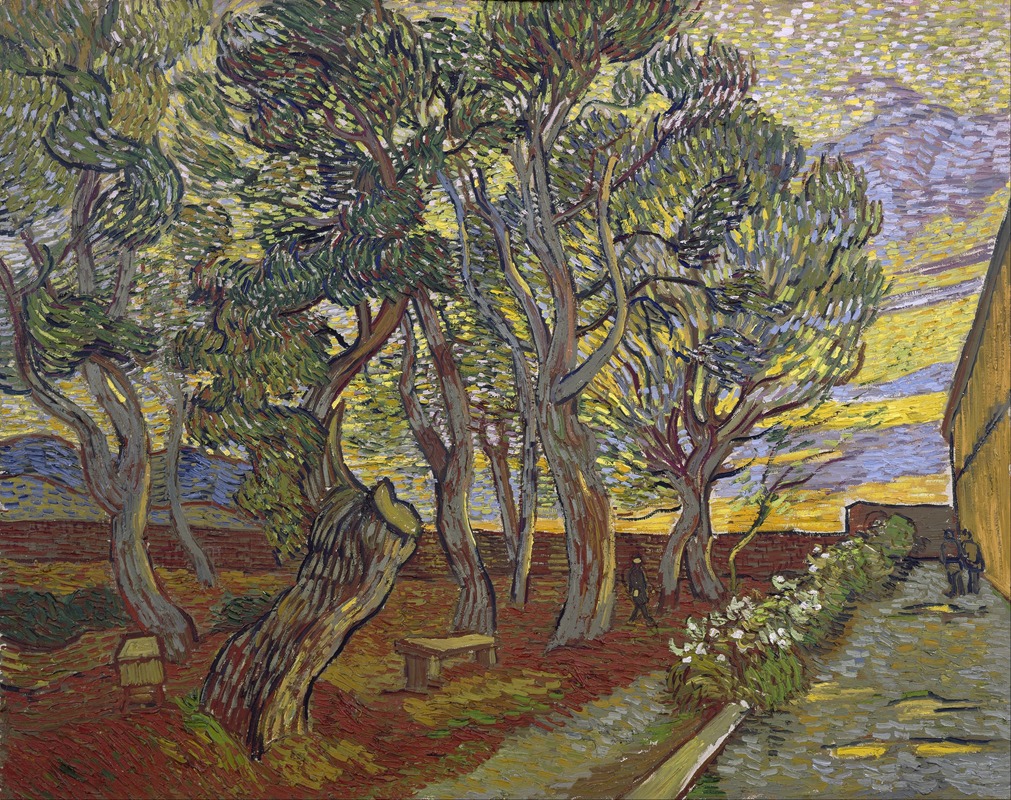
The garden of Saint Paul’s Hospital
Vincent van Gogh
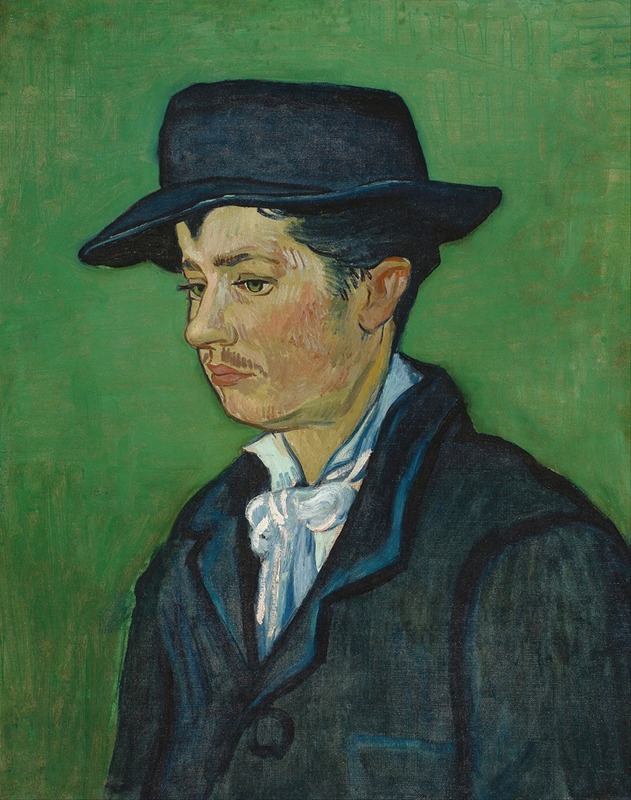
Portrait Of Armand Roulin
Vincent van Gogh
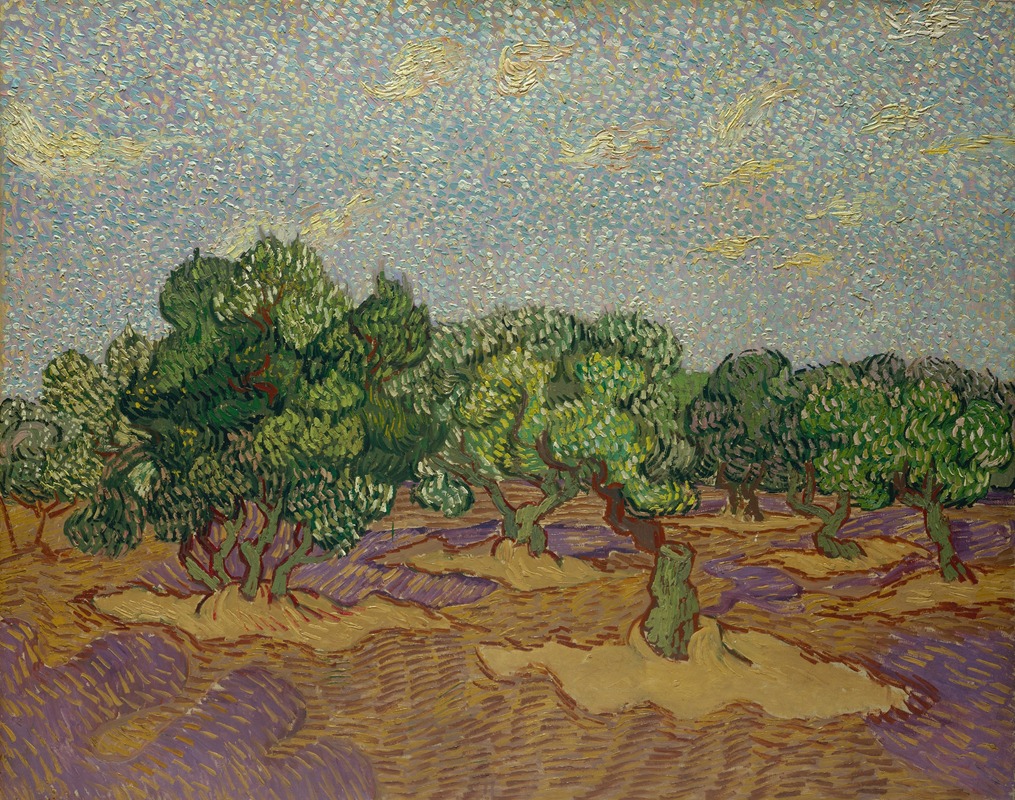
Olive Trees
Vincent van Gogh
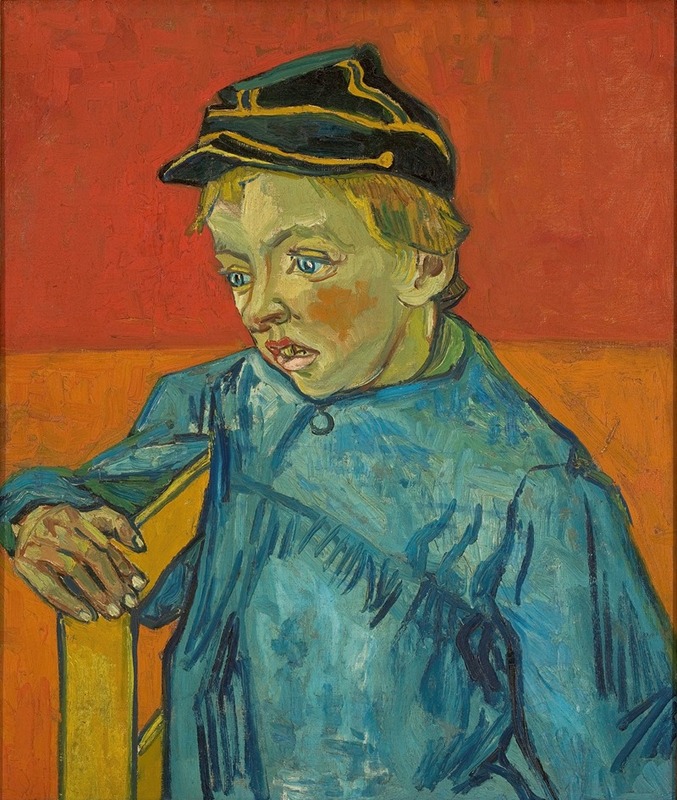
The Schoolboy (Camille Roulin)
Vincent van Gogh
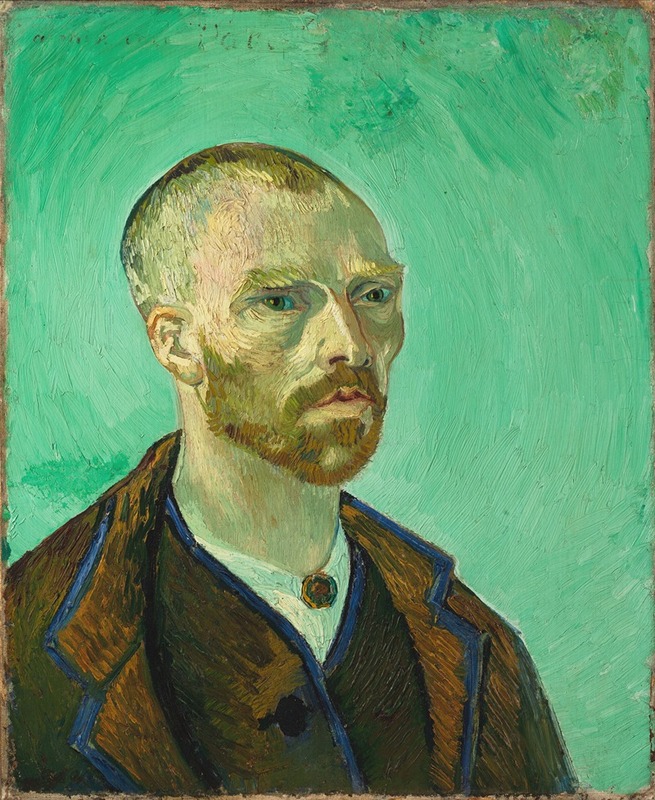
Self Portrait (dedicated to Paul Gauguin)
Vincent van Gogh
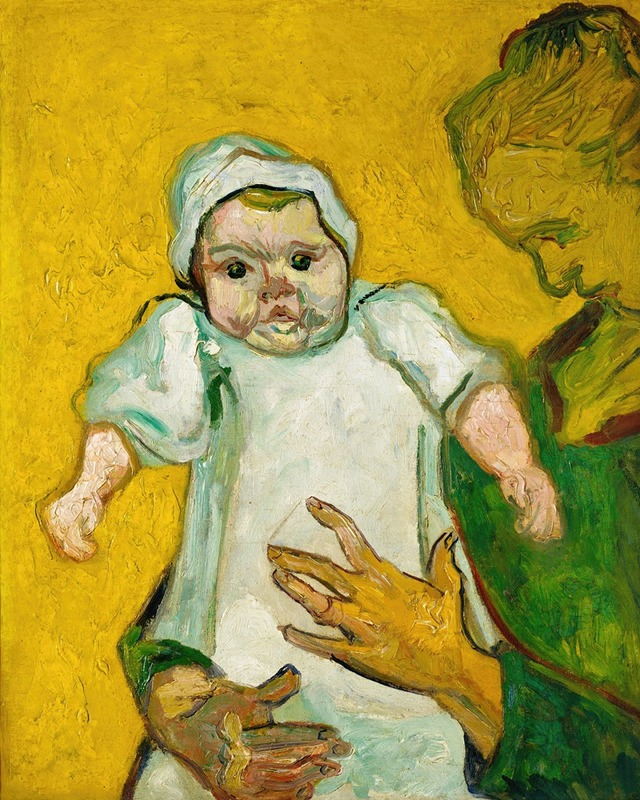
Madame Roulin and Her Baby
Vincent van Gogh
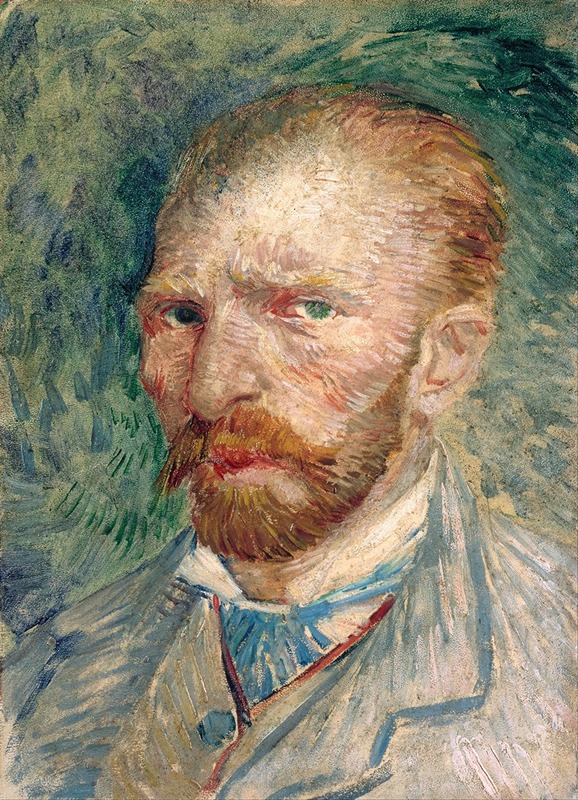
Self-Portrait
Vincent van Gogh