
The descent from the cross by torchlight — History & Facts
Could a single brushstroke hold eternity? In The Descent from the Cross by Torchlight, Rembrandt captures a moment of profound revelation, where light and shadow intertwine to reveal the depths of human emotion. Look to the center of the canvas, where the lifeless body of Christ is gently lowered by a group of figures, their faces illuminated by the flickering torchlight. Notice how the warm glow dances across their expressions, each one etched with sorrow and reverence. The dramatic contrasts of deep shadows and soft highlights create an intimate yet somber atmosphere, drawing the viewer deep into this climactic moment.
The composition leads the eye from the central figure downwards, echoing the act of descent while emphasizing the weight of loss. Within this poignant tableau, the emotional tension is palpable. The figures surrounding Christ, from the anguished face of Mary to the stoic strength of Joseph of Arimathea, silently narrate a story of grief and sacrifice. The torchlight not only serves a practical purpose but also symbolizes the fleeting nature of life and the illumination of faith amidst darkness.
Rembrandt’s deft use of color and texture evokes a palpable sense of mourning while inviting contemplation on the nature of redemption. In 1654, Rembrandt painted this work during a tumultuous period in his life, marked by personal losses and financial struggles. The Baroque era was a time of intense exploration of the human condition, and Rembrandt was at the forefront of this movement, challenging artistic conventions. His mastery of chiaroscuro and deep emotional resonance in this painting reflects both his personal turmoil and the broader artistic currents of the time, making this piece a remarkable testament to the complexities of life and death.
More Artworks by Rembrandt van Rijn
Browse all →
The Night Watch Militia Company of District II under the Command of Captain Frans Banninck Cocq
Rembrandt van Rijn

The Return of the Prodigal Son
Rembrandt van Rijn

The Hundred Guilder Print: the figures leaning on the wall in the centre left
Rembrandt van Rijn

The Hundred Guilder Print: the central piece with Christ preaching, the plate arched
Rembrandt van Rijn

Isaac and Rebecca, Known as ‘The Jewish Bride’
Rembrandt van Rijn
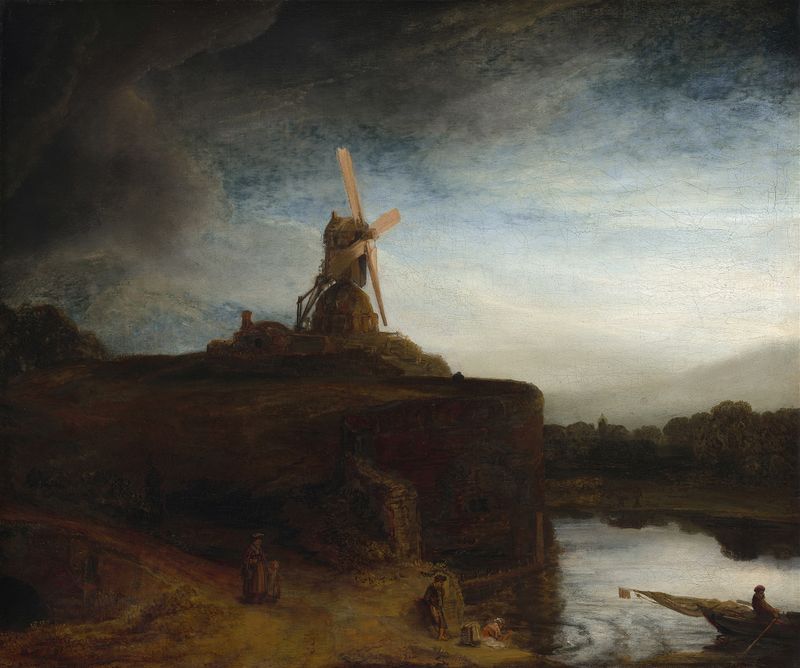
The Mill
Rembrandt van Rijn

The Sampling Officials of the Amsterdam Drapers’ Guild, Known as ‘The Syndics’
Rembrandt van Rijn

The return of the prodigal son
Rembrandt van Rijn
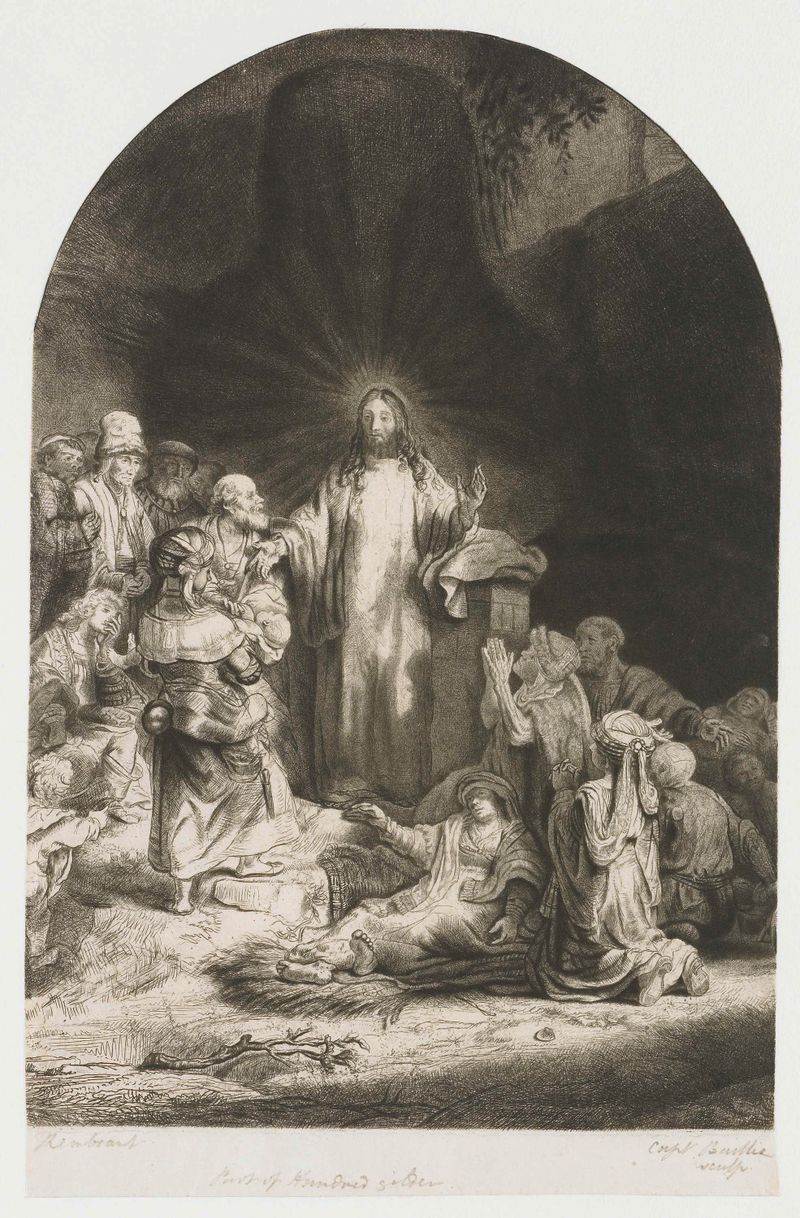
The Hundred Guilder Print: the central piece with Christ preaching, the plate arched
Rembrandt van Rijn

The Hundred Guilder Print: the man seen on the back in the lower left corner
Rembrandt van Rijn
More Religious Art
Browse all →The Return of the Prodigal Son
Rembrandt van Rijn

The Garden of Earthly Delights
El Bosco

Count Orgaz’ funeral
El Greco
The Hundred Guilder Print: the central piece with Christ preaching, the plate arched
Rembrandt van Rijn

The Descent from the Cross
Rogier van der Weyden
The return of the prodigal son
Rembrandt van Rijn