
The descent from the cross by torchlight — History & Facts
In moments of profound loss, the true essence of humanity is laid bare, and the brushstrokes of a master can convey this aching vulnerability. How do we grapple with grief when the light of hope flickers in the shadows? Look closely at the figures in The Descent from the Cross by Torchlight. Your gaze is drawn first to the central figure cradled tenderly, surrounded by an intimate assembly of mourners and supporters.
Notice how Rembrandt uses the chiaroscuro technique to create a dramatic interplay of light and shadow; the flickering torchlight casts tender glows on their faces, illuminating despair and reverence. The deep, rich hues of the garments suggest a solemnity, while the dark background envelops the scene in a profound stillness, enhancing the sense of mourning that permeates the air. The emotional tension is palpable. Each figure embodies a different aspect of loss—the anguish of the weeping Mary, the stoic resolve of Joseph of Arimathea, and the profound sorrow mirrored in the faces of onlookers.
The contrast between light and dark serves not only to highlight their expressions but also to suggest the interplay between life and death, drawing attention to the fragility of existence and the shared burden of grief. The gentle yet firm handling of the body speaks to the reverence owed even in death, suggesting a moment of transition both heartbreaking and sacred. In 1654, Rembrandt was navigating personal loss and artistic turmoil. Living in Amsterdam, he faced financial struggles and the death of loved ones, which deeply influenced his work.
This piece reflects his mastery and sensitivity in portraying human emotion, embodying a spiritual depth that resonated within the tumultuous currents of his life and the art world of the time.
More Artworks by Rembrandt van Rijn
Browse all →
The Night Watch Militia Company of District II under the Command of Captain Frans Banninck Cocq
Rembrandt van Rijn

The Return of the Prodigal Son
Rembrandt van Rijn

The Hundred Guilder Print: the figures leaning on the wall in the centre left
Rembrandt van Rijn

The Hundred Guilder Print: the central piece with Christ preaching, the plate arched
Rembrandt van Rijn

Isaac and Rebecca, Known as ‘The Jewish Bride’
Rembrandt van Rijn
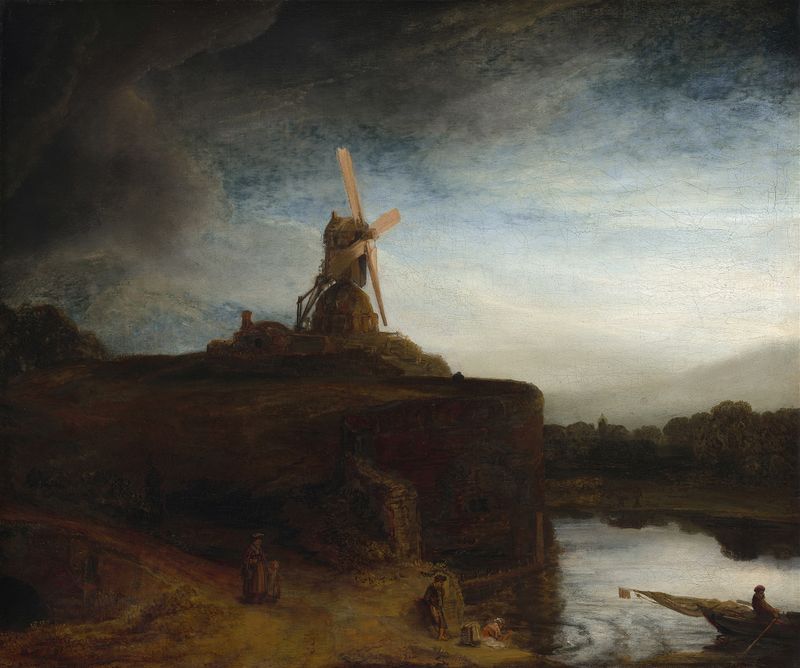
The Mill
Rembrandt van Rijn

The Sampling Officials of the Amsterdam Drapers’ Guild, Known as ‘The Syndics’
Rembrandt van Rijn

The return of the prodigal son
Rembrandt van Rijn
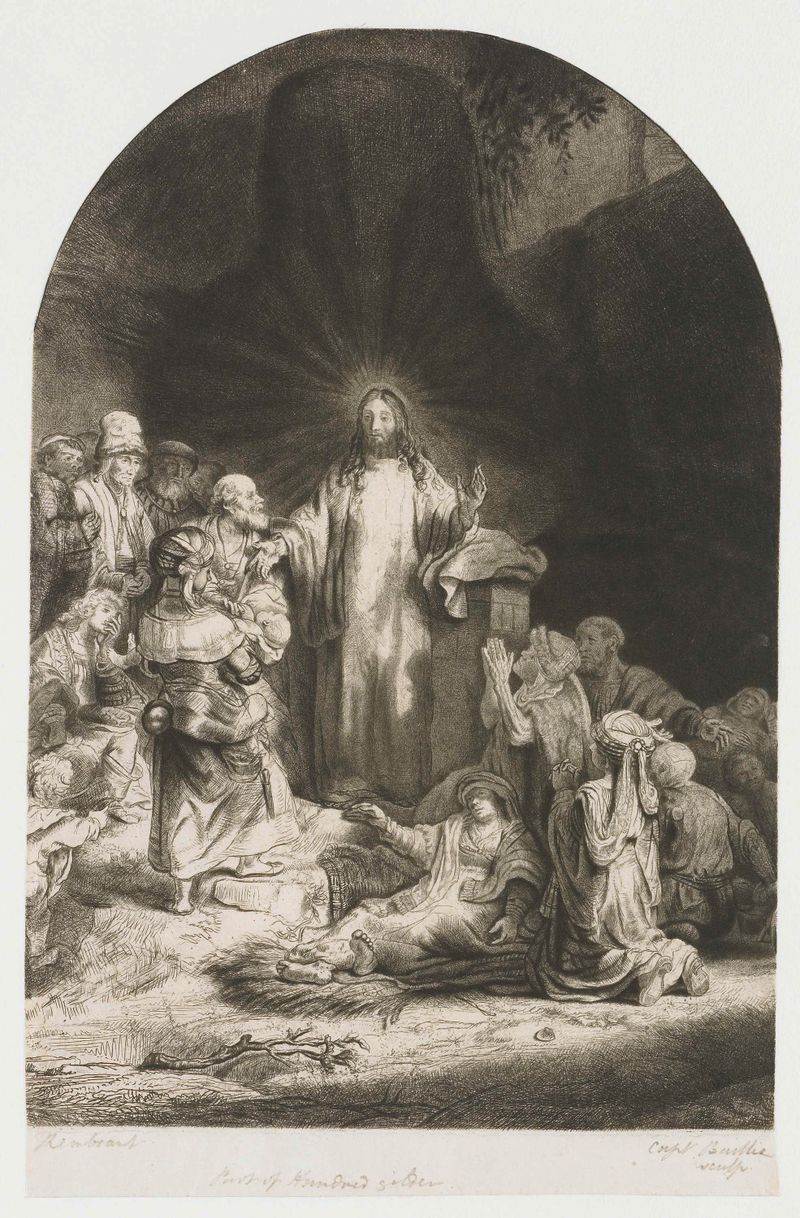
The Hundred Guilder Print: the central piece with Christ preaching, the plate arched
Rembrandt van Rijn

The Hundred Guilder Print: the man seen on the back in the lower left corner
Rembrandt van Rijn
More Religious Art
Browse all →The Return of the Prodigal Son
Rembrandt van Rijn

The Garden of Earthly Delights
El Bosco

Count Orgaz’ funeral
El Greco
The Hundred Guilder Print: the central piece with Christ preaching, the plate arched
Rembrandt van Rijn

The Descent from the Cross
Rogier van der Weyden
The return of the prodigal son
Rembrandt van Rijn