
The Destruction of Niobe’s Children — History & Facts
In The Destruction of Niobe’s Children, George Romney presents a dramatic scene filled with emotion. The painting features a chaotic composition where figures are depicted in various states of distress. The color palette is rich, with deep reds and blues that enhance the sense of tragedy.
The setting appears to be a mythological landscape, emphasizing the narrative of loss and despair. Romney's technique showcases his skill in oil on canvas, with a focus on the human form and expressive gestures. The brushwork is fluid, allowing for a dynamic representation of movement among the figures. The use of light and shadow adds depth, highlighting the emotional intensity of the scene.
Viewers can appreciate the intricate details in the faces and postures of the characters. George Romney was an English painter known for his portraits and historical subjects. This painting, created in the 1770s, draws from the myth of Niobe, who lost her children due to her hubris. An interesting fact about this work is that it reflects the Romantic style's emphasis on emotion and individual experience, which was becoming prominent during Romney's time.
The painting is part of the collection at the Museo del Prado, showcasing the artist's contribution to the genre.
More Artworks by George Romney

Lady Hamilton as Tragedy
George Romney
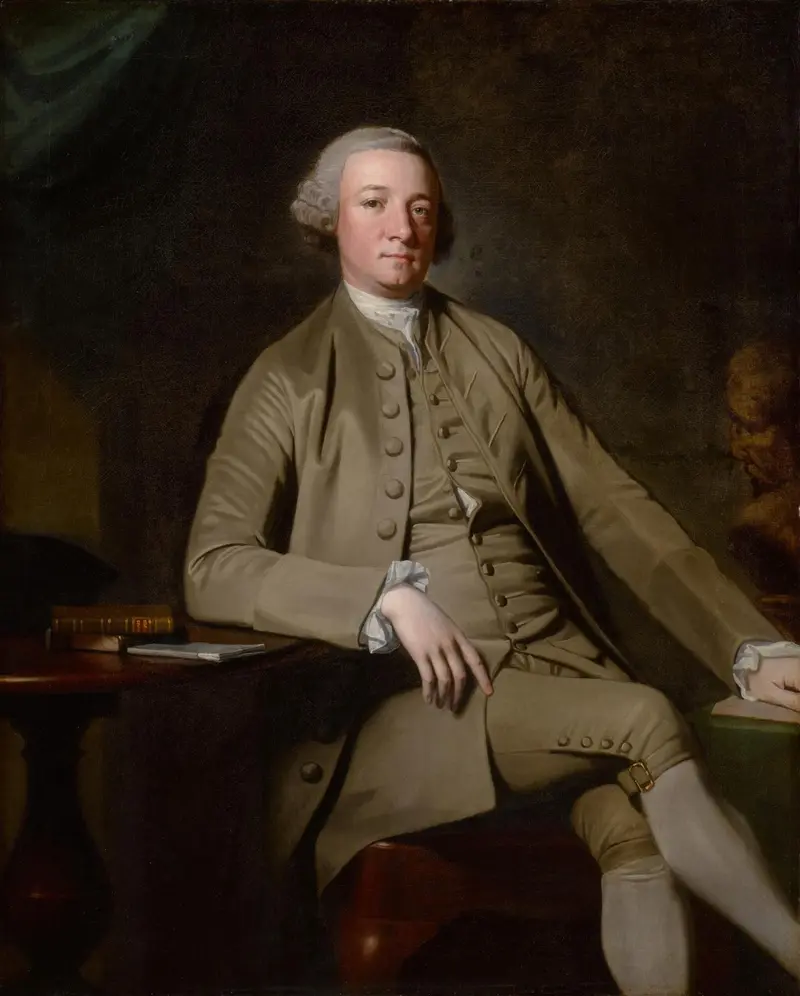
Portrait of a Gentleman, seated, probably William Suddel of Lancaster
George Romney
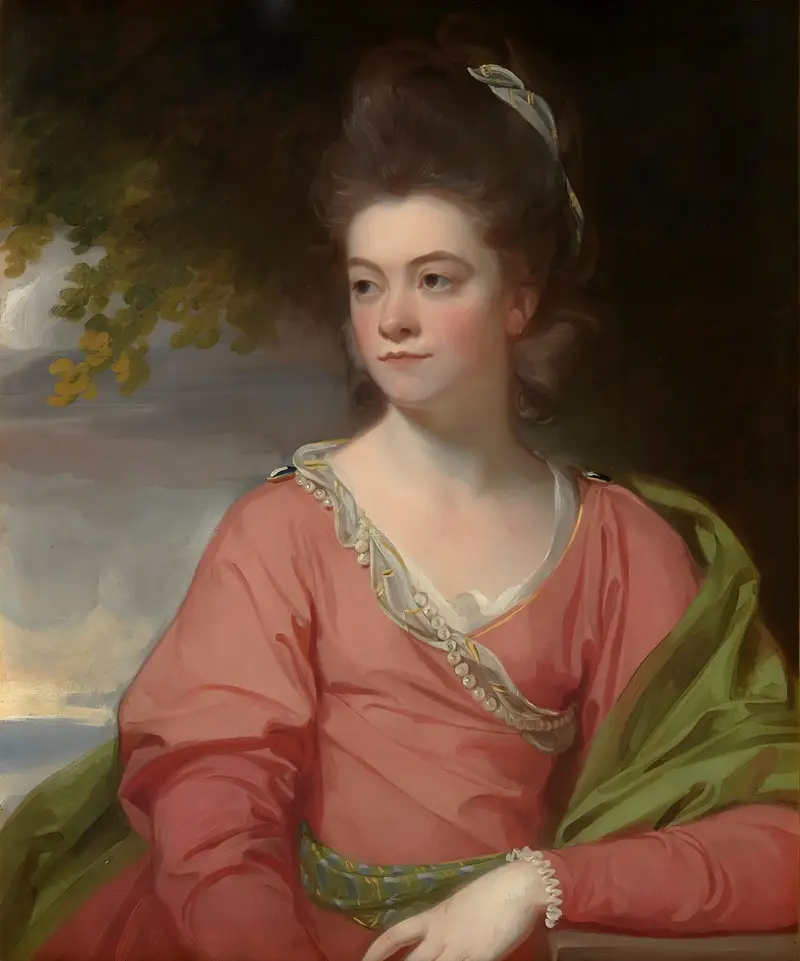
Portrait of a lady, traditionally identified as Miss Inchbold
George Romney
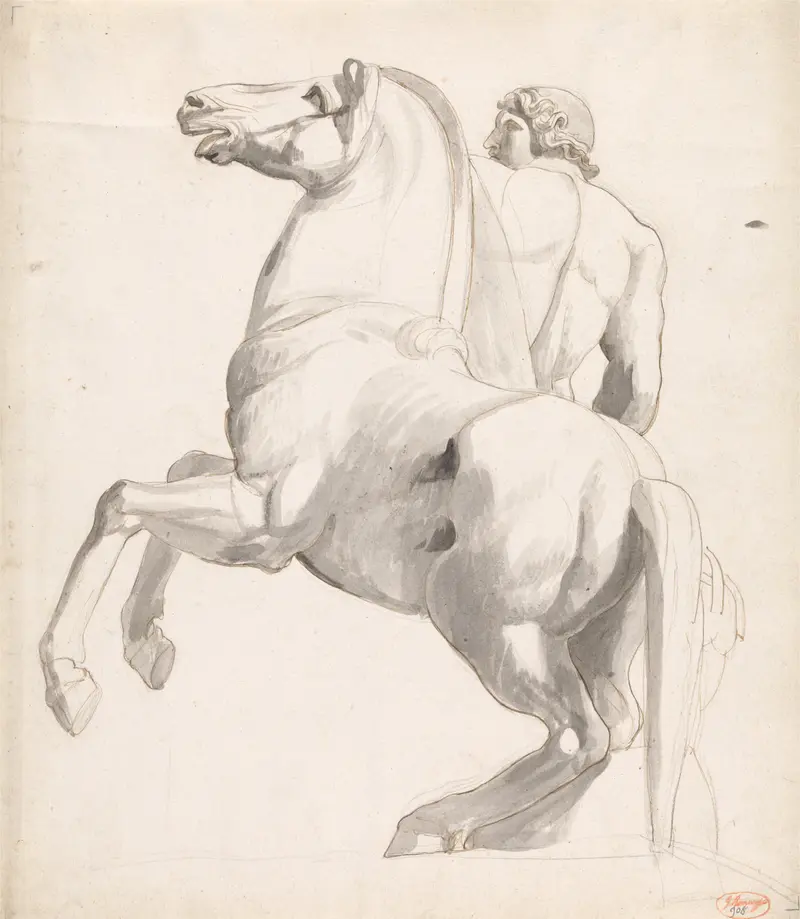
Horseman of Montecavallo
George Romney
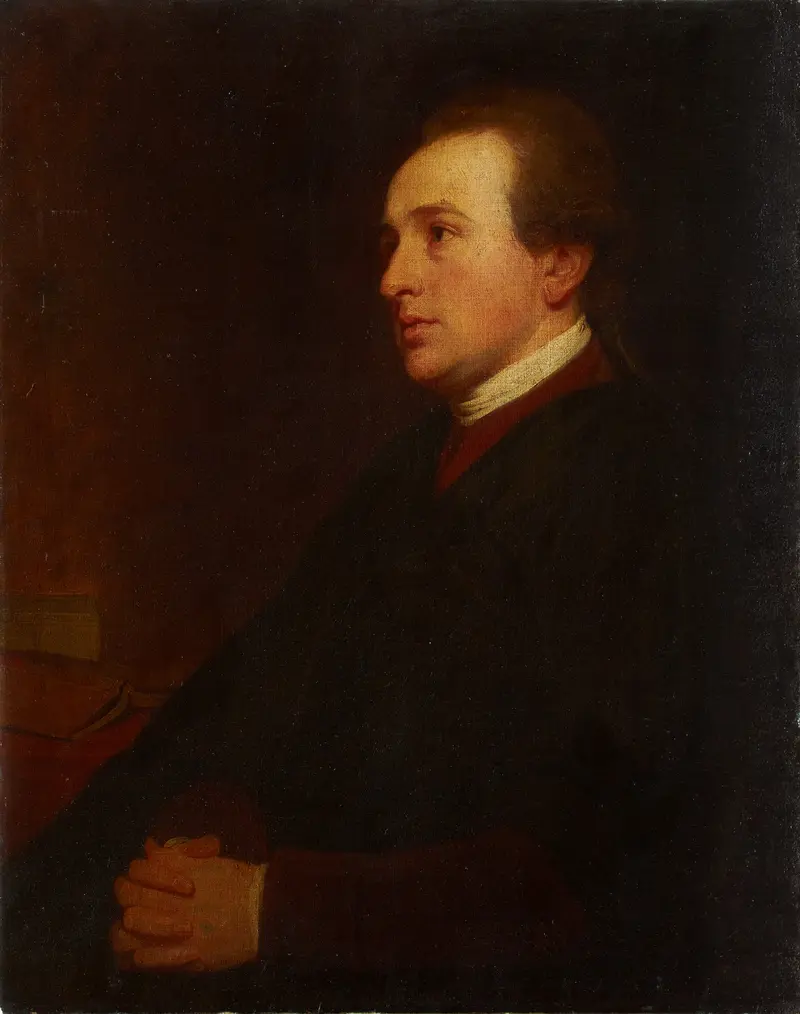
Portrait of a Young Man at his Desk
George Romney
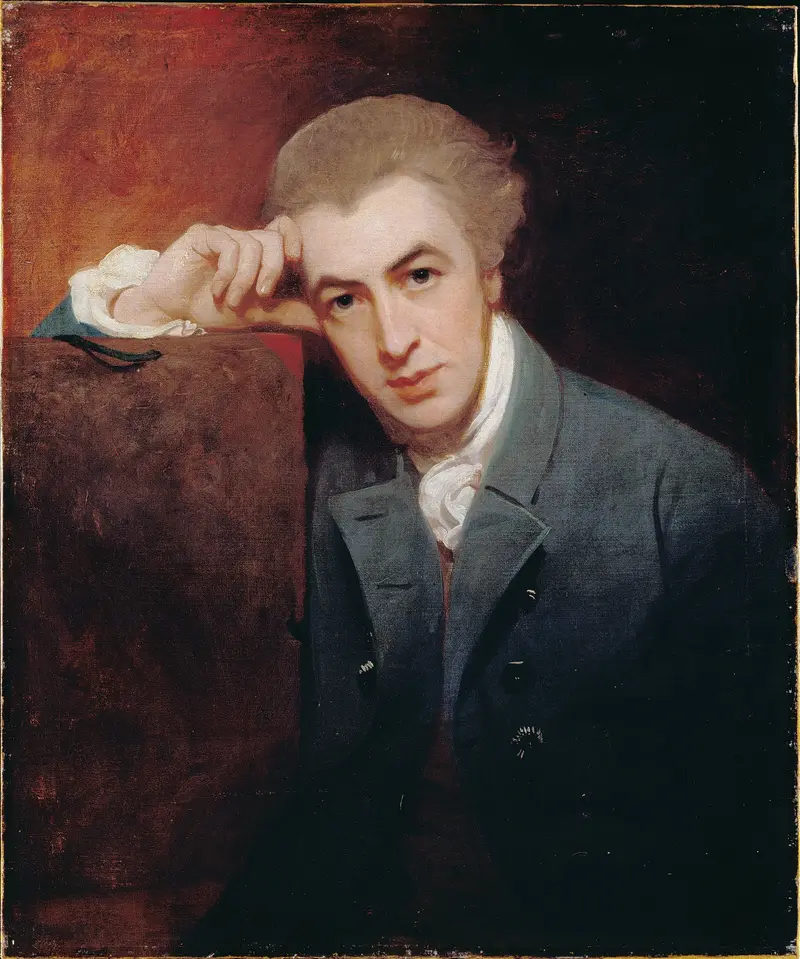
William Hayley
George Romney
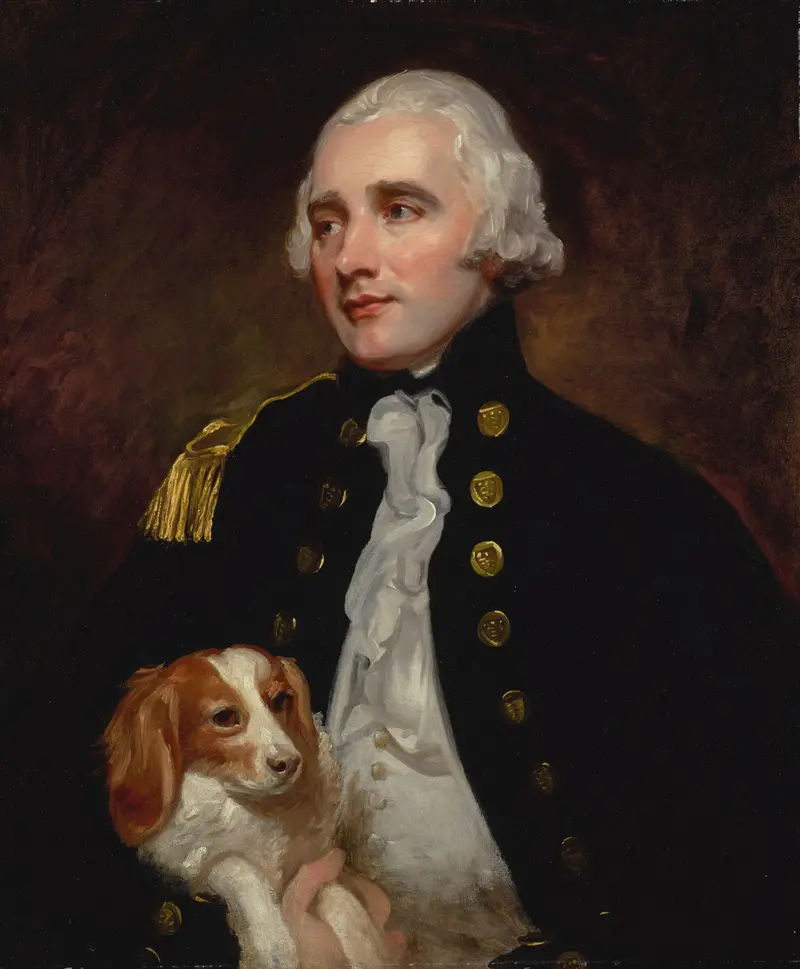
Portrait Of An Officer Of The Corps Of Engineers, Half-Length, Formerly Identified As Sir George Grey
George Romney
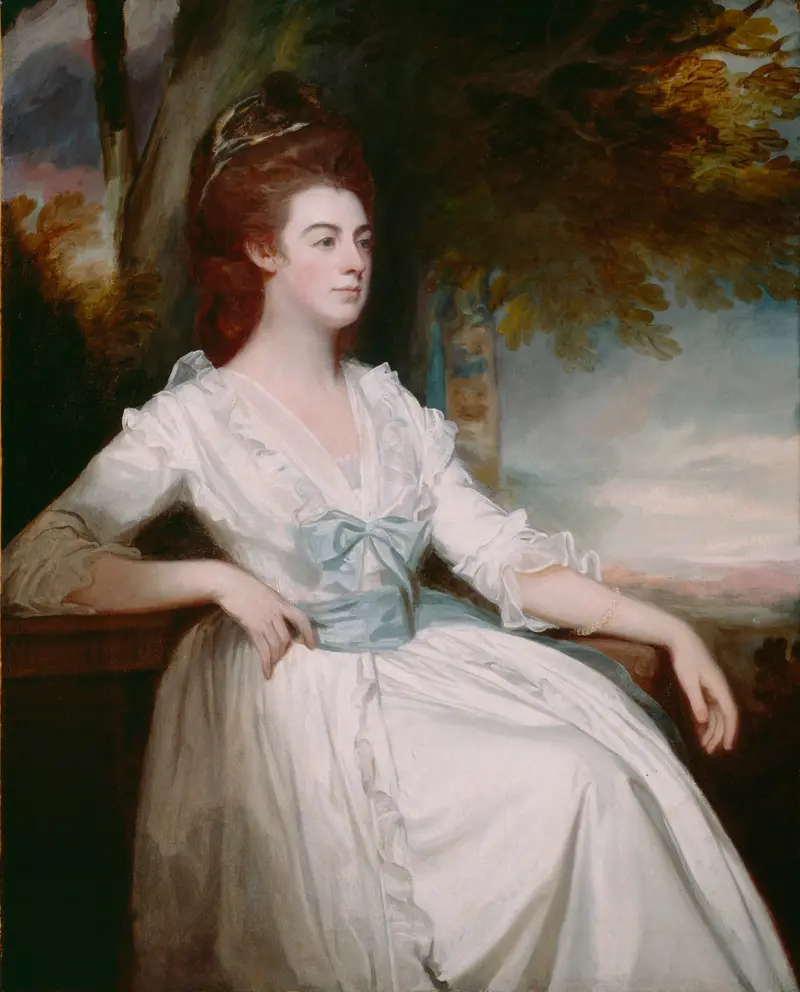
Miss Clavering
George Romney
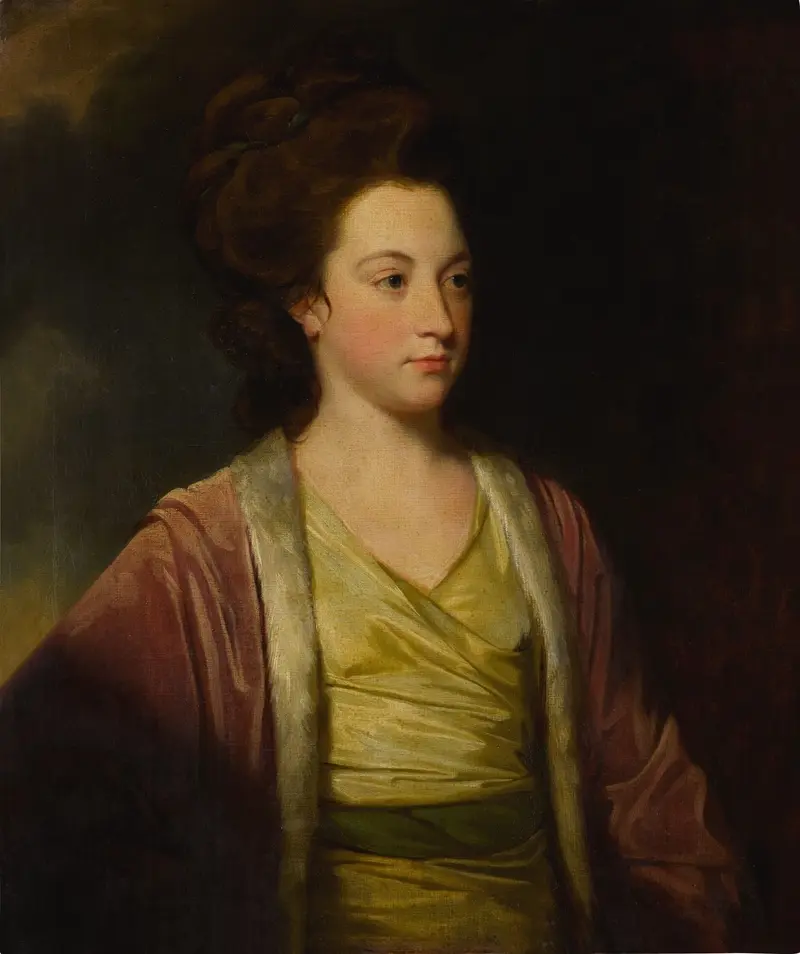
Portrait of Frances Alicia Bennet (b. 1749)
George Romney
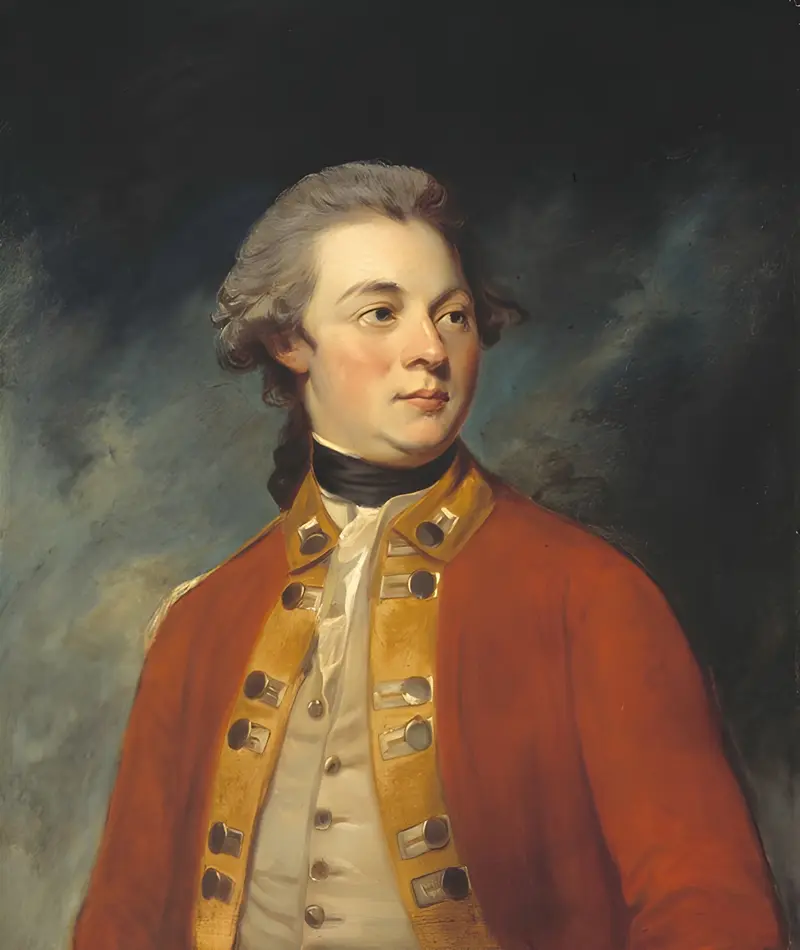
Portrait of Francis North, 4th Earl of Guilford (1761-1817)
George Romney





