
The Destruction of Pompeii — History & Facts
What if beauty was never meant to be finished? In the ruins of a forgotten world, a tense balance hangs between destruction and preservation, sparking contemplation of what remains when the dust settles. Focus on the crumbling architecture that sprawls across the canvas; the skeletal outlines of ancient structures draw your gaze immediately. Notice how the vibrant hues of ochre and burnt sienna contrast sharply with the deep shadows, creating a dramatic interplay of light and darkness. Each brushstroke seems to echo the grief of lost lives, while the meticulous detailing of the ruins speaks of an artist's commitment to honoring a tragedy through beauty. Amidst the devastation, hints of life persist through the saturated colors and textures, suggesting that memory can sustain a kind of existence even in destruction.
The juxtaposition of stone and ash reflects the resilience of human spirit. Here lie stories of an entire civilization, encapsulated in the rubble, urging viewers to consider both the fragility and permanence of human accomplishments. Created during a time when romanticism reigned in art, the artist was deeply influenced by his travels and the fascination with the sublime. His portrayal of The Destruction of Pompeii emerged from a broader cultural moment that sought to blend history with emotion, allowing viewers to confront the past's beauty intertwined with its inevitable decline.
In this artistic landscape, Roberts navigated not just the ruins of a city, but the very essence of mortality and memory.
More Artworks by David Roberts
Browse all →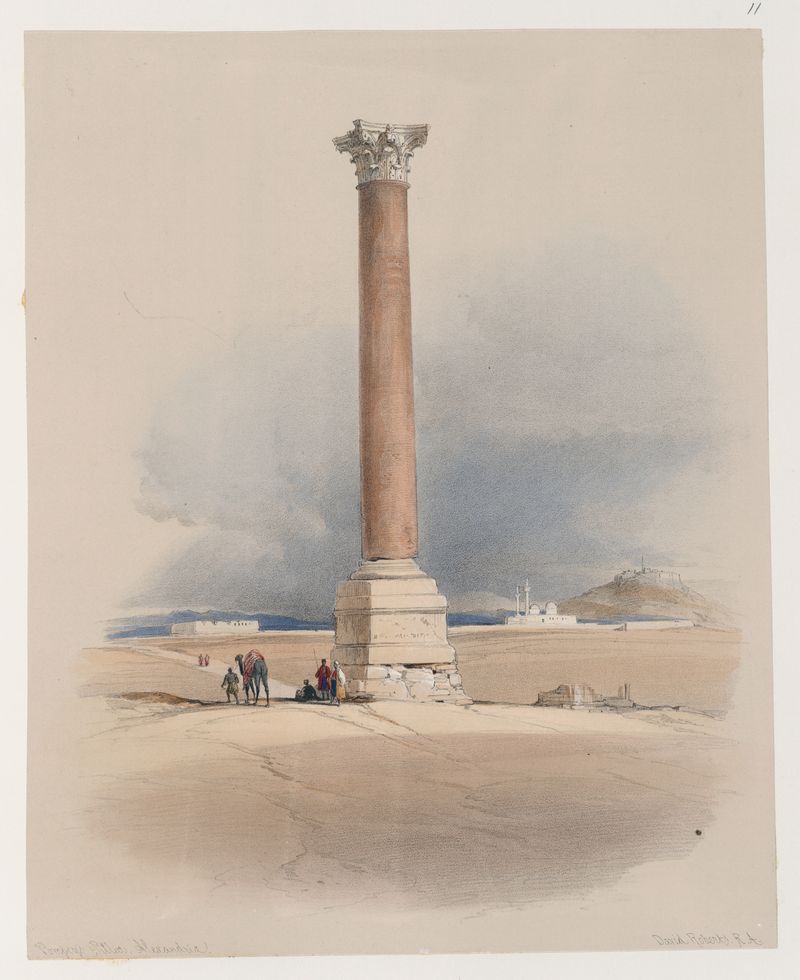
Pompey’s Pillar, Alexandria.
David Roberts

Approach to the Fortress of Ibrim.
David Roberts

Karnac [Karnak]. Nov. 29th, 1838.
David Roberts
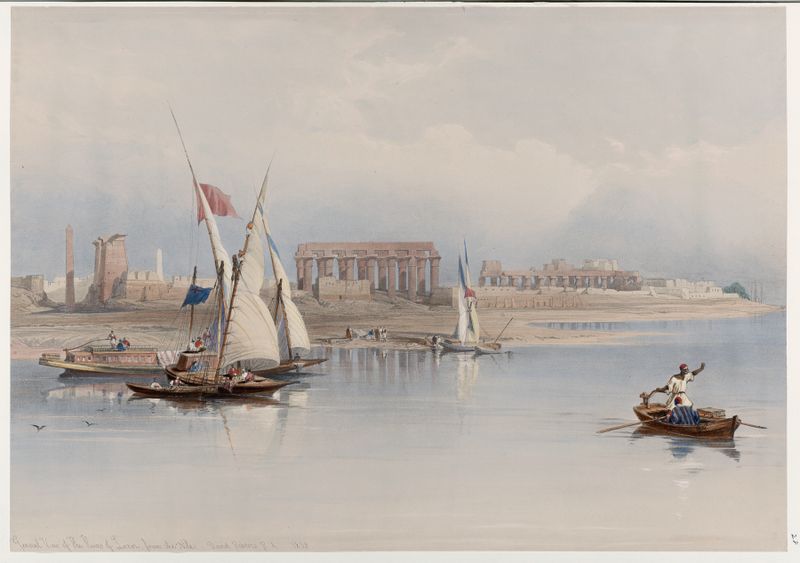
General view of the ruins of Luxor, from the Nile. 1838.
David Roberts

Statues of Memnon at Thebes, during the inundation.
David Roberts

Entrance to the tombs of the kings of Thebes. Bab-el-Malouk [Bîbân al-Mulûk].
David Roberts

The Fortress of the Alhambra, Granada
David Roberts
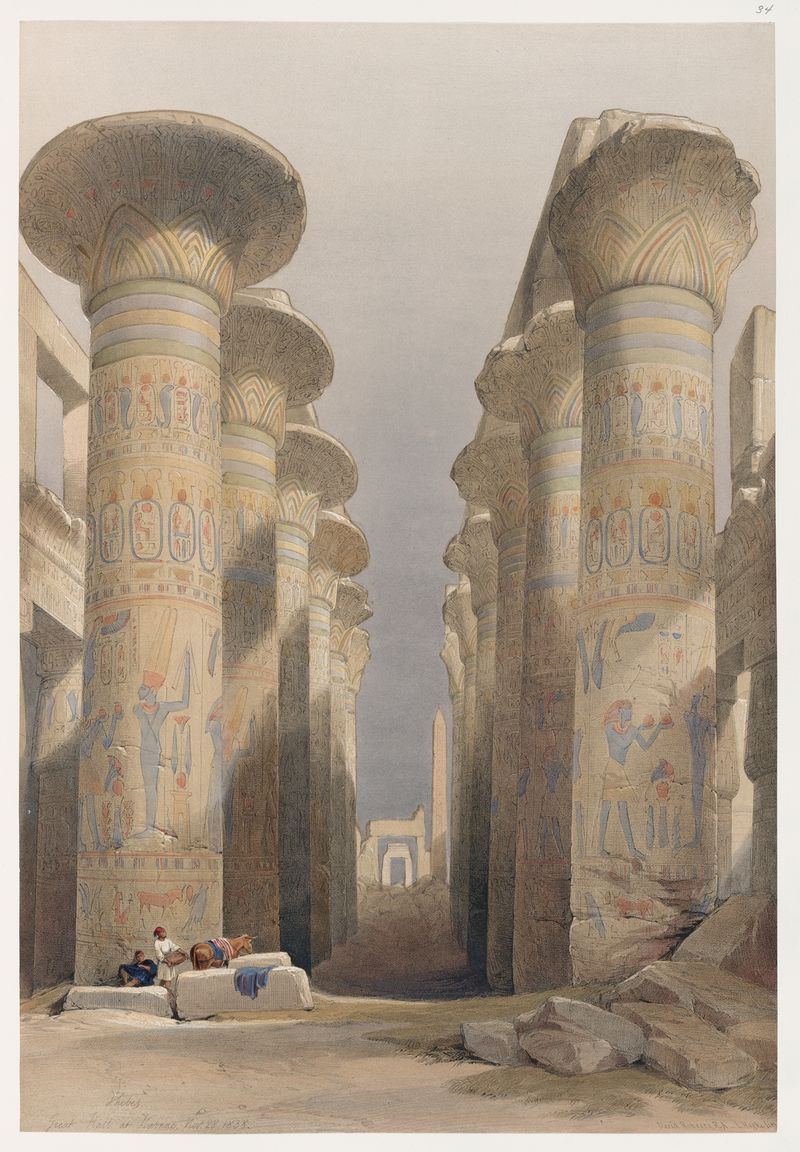
Thebes. Great Hall at Karnak. Nov. 28, 1838.
David Roberts
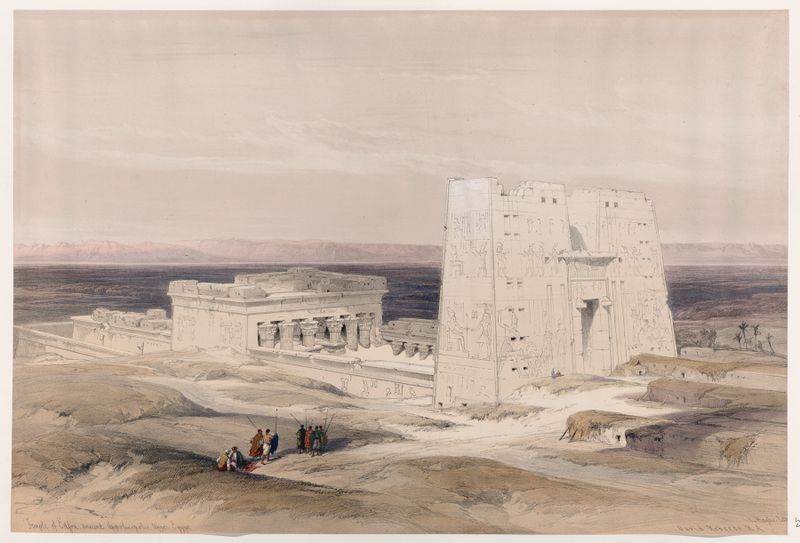
Temple of Edfou [Idfû], ancient Appolinopolis, Upper Egypt.
David Roberts

Temple of Kalabshee [Kalabsha, Kalâbishah], Nubia. Nov. 1838.
David Roberts
More Historical Art
Browse all →
The Night Watch Militia Company of District II under the Command of Captain Frans Banninck Cocq
Rembrandt van Rijn

Lincoln Memorial
Henry Bacon

The Third of May 1808
Francisco de Goya

Isaac and Rebecca, Known as ‘The Jewish Bride’
Rembrandt van Rijn

The Charge of the Mamelukes (1814)
Francisco de Goya

De vier ruiters van de apocalyps
Albrecht Dürer