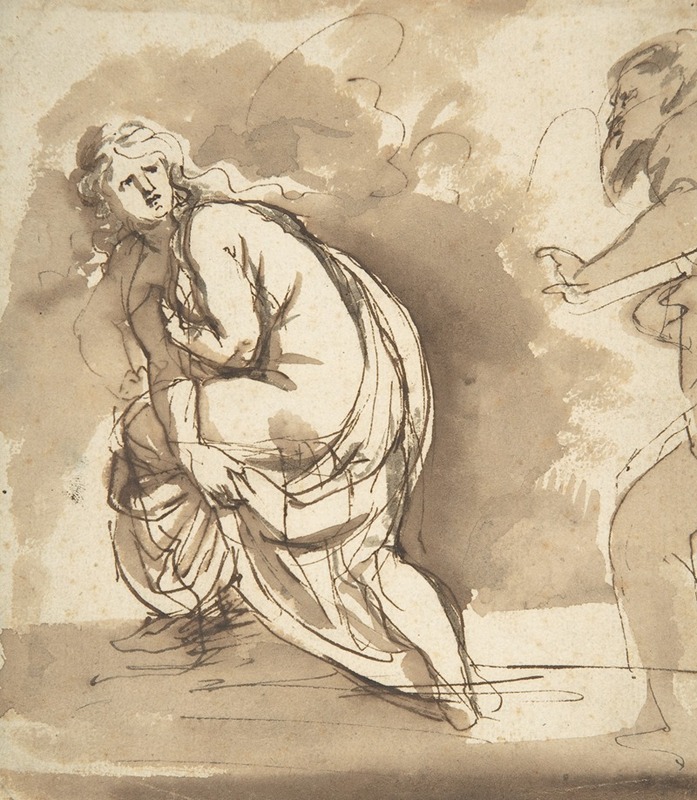
Discover insights about this artwork
The Destruction Of The Palace Of Armida — History & Facts
In The Destruction Of The Palace Of Armida, vibrant colors dominate the scene, with deep reds and golds contrasting against the chaos of destruction. The figures are caught in dynamic poses, illustrating the tumult of the moment. Armida's palace, a symbol of beauty and enchantment, crumbles amidst the turmoil.
The setting is filled with dramatic clouds and swirling smoke, enhancing the sense of chaos. The painting is executed in oil on canvas, a common medium for the Rococo style. Coypel's brushwork is fluid, allowing for soft transitions between colors and forms. The composition draws the viewer's eye across the canvas, from the foreground figures to the collapsing architecture in the background.
The use of light and shadow adds depth, making the scene feel three-dimensional. Charles-Antoine Coypel was a prominent French painter of the Rococo period, known for his theatrical compositions. The Destruction Of The Palace Of Armida illustrates a moment from Torquato Tasso's epic poem 'Jerusalem Delivered'. This work reflects Coypel's interest in mythology and drama, showcasing his skill in depicting movement and emotion.
Interestingly, this painting was part of a series that explored themes of love and conflict.
More Artworks by Charles-Antoine Coypel
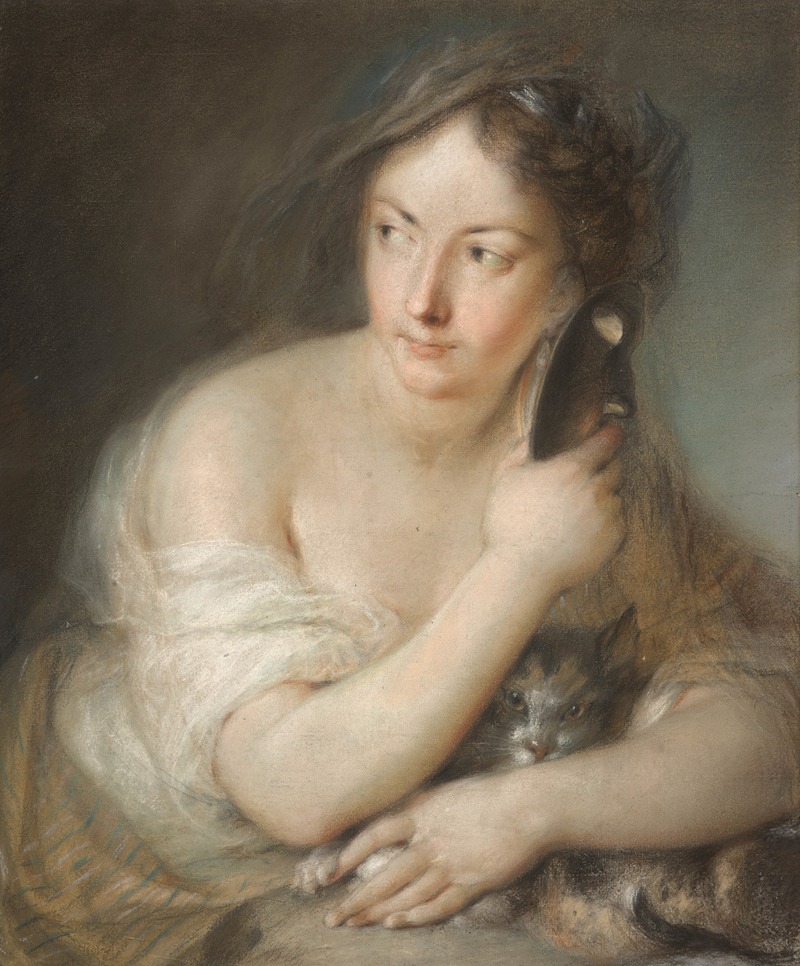
La Malice
Charles-Antoine Coypel
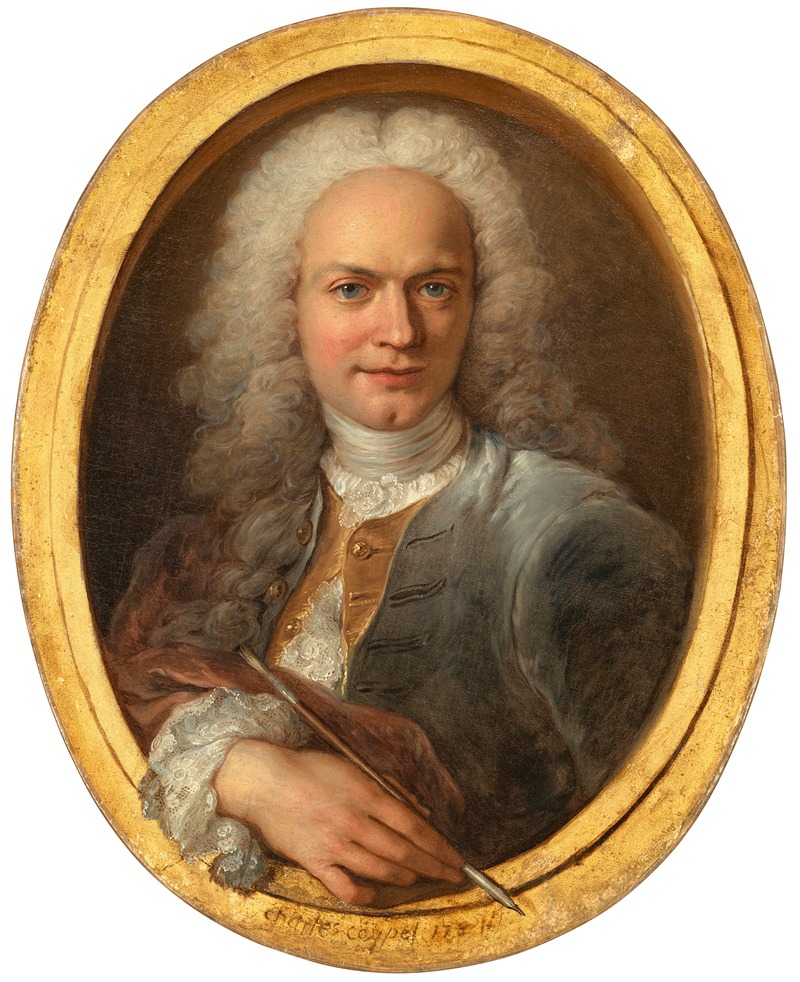
Portrait of a man in a painted frame
Charles-Antoine Coypel
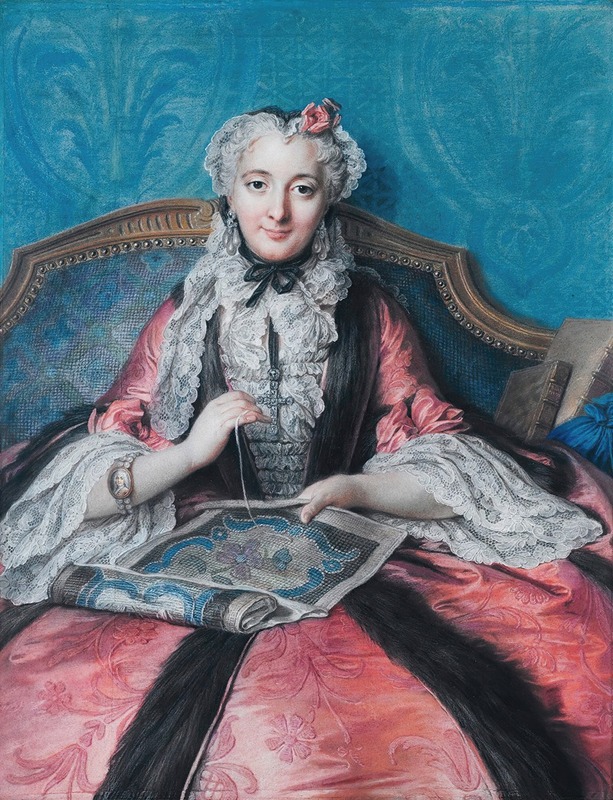
Portrait of a woman sewing
Charles-Antoine Coypel
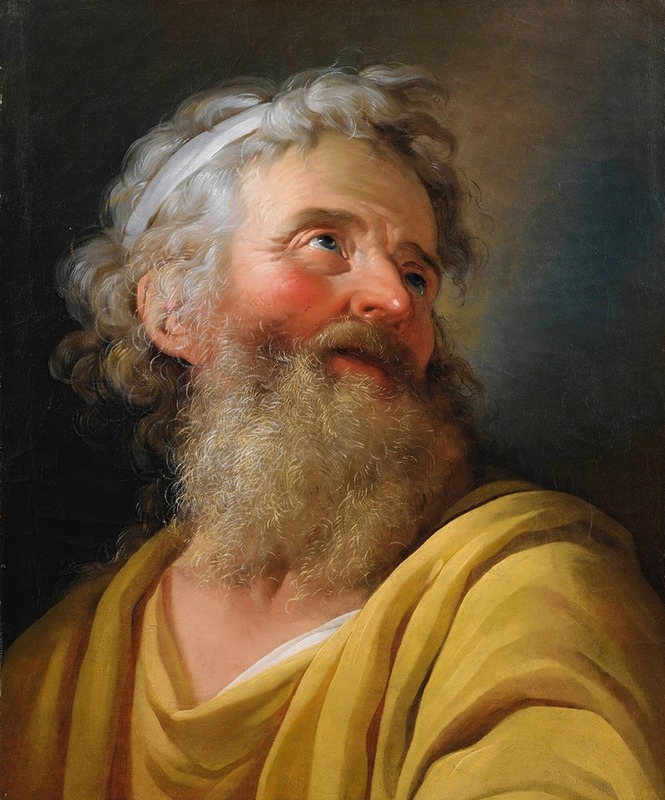
Portrait of an actor
Charles-Antoine Coypel
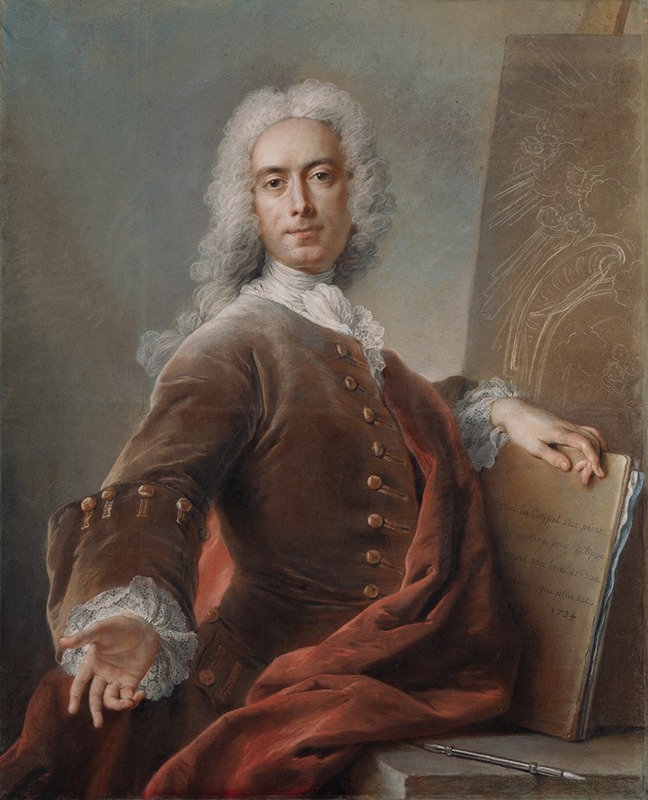
Self-Portrait
Charles-Antoine Coypel
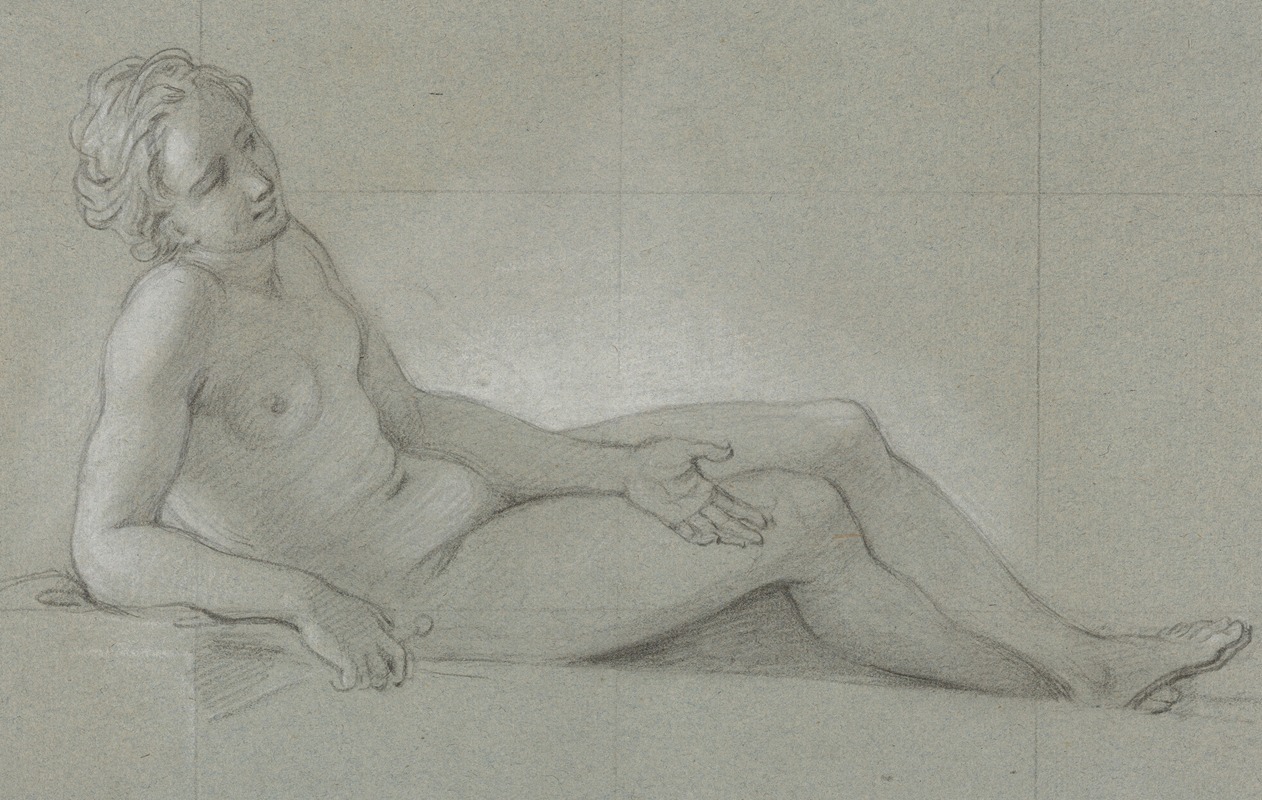
Study of a Reclining Female Nude
Charles-Antoine Coypel
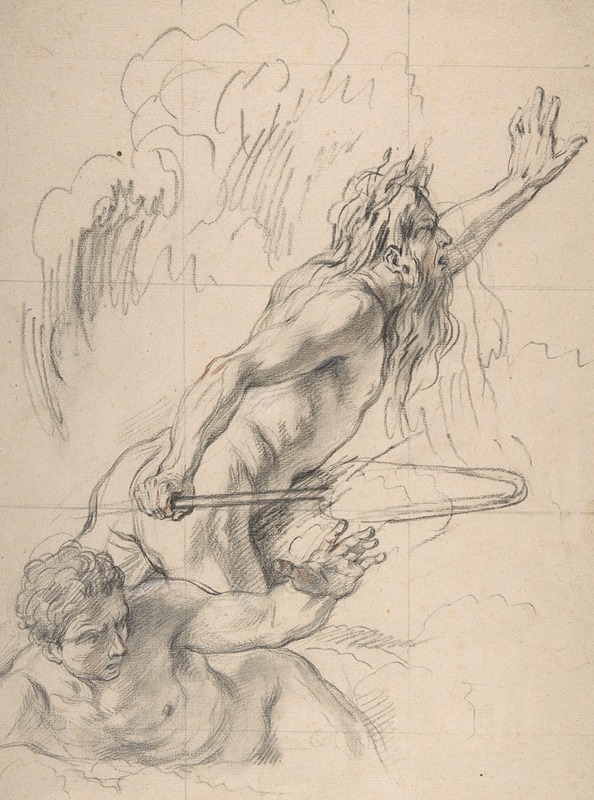
River God and Another Male Figure
Charles-Antoine Coypel
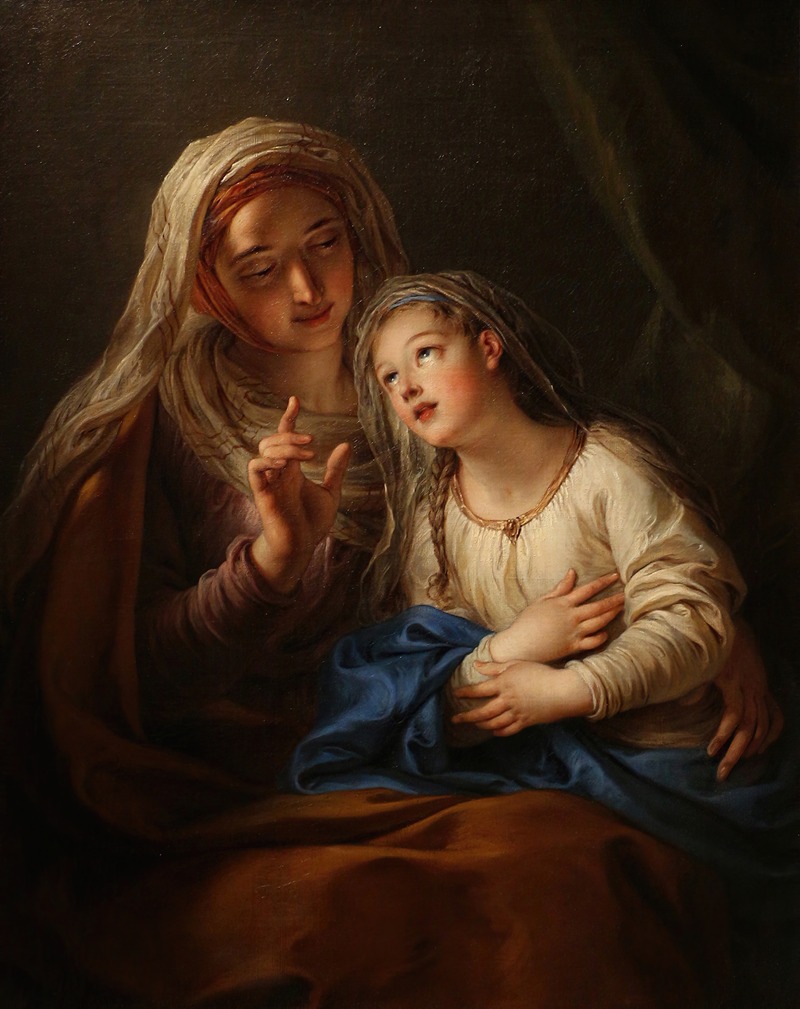
The Education of the Virgin Mary
Charles-Antoine Coypel
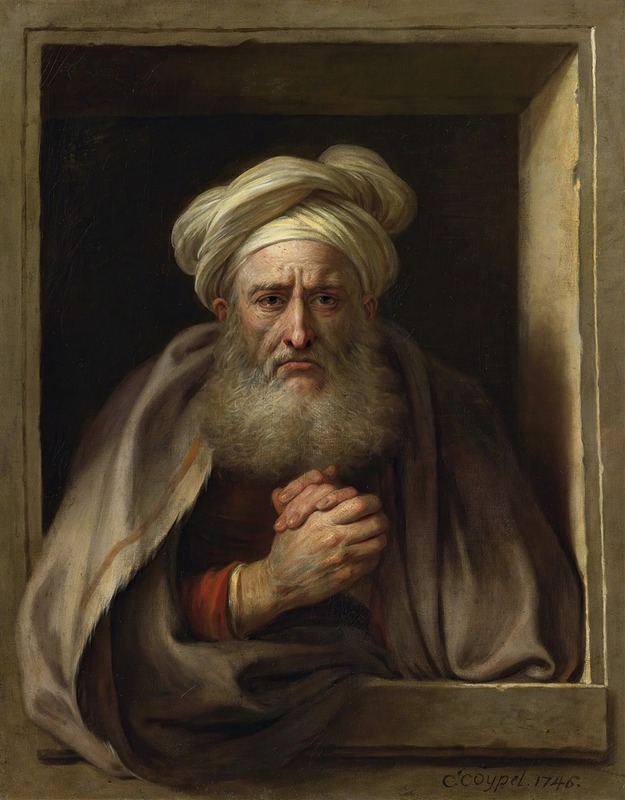
Sorrowful Democritus
Charles-Antoine Coypel
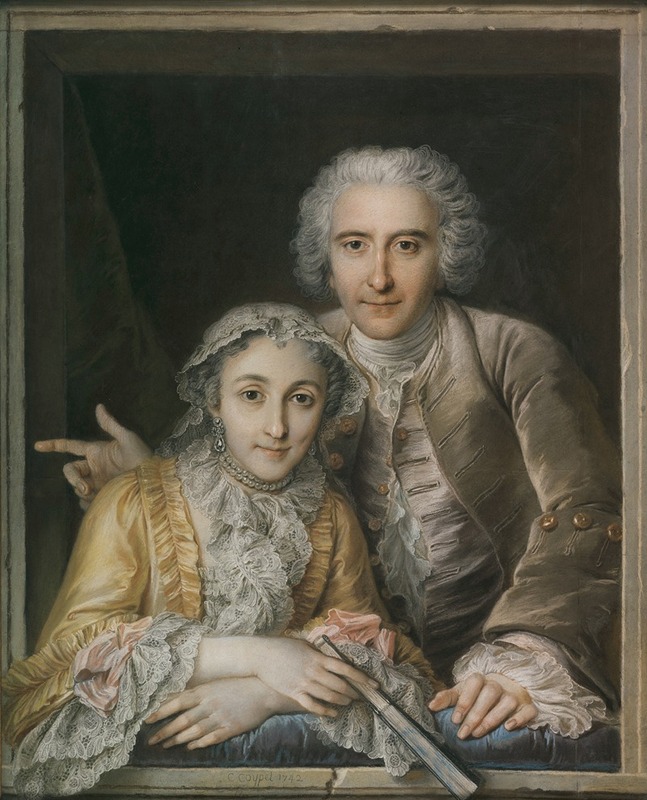
Portrait of Philippe Coypel and His Wife
Charles-Antoine Coypel