
The Dordogne In Vitrac — History & Facts
In the stillness of the moment, the essence of destiny lingers in every stroke, inviting reflection on the intertwining of life and art. Look to the center, where the river flows serenely through the landscape, its gentle curves framed by lush greenery. The vibrant hues of green and blue cascade across the canvas, contrasting with the warm earthy tones of the village that nestles quietly along the banks. The artist’s use of bold, simplified forms and thick brushwork draws the eye to the harmony of nature and human life, creating a scene that feels both tranquil and charged with potential. Amid the calm, a tension hums beneath the surface; the village, so idyllic yet seemingly untouched by time, hints at the inexorable march of fate.
The interplay of light and shadow reveals both the beauty and transience of the moment. In the distance, a cloud looms, suggesting that even in paradise, change is always on the horizon, a reminder of the duality of existence where serenity and inevitability coexist. Félix Vallotton painted The Dordogne In Vitrac in 1925 during a period of personal introspection and transformation in his life. Residing in France, he was grappling with the changes in the art world, moving away from the traditional to embrace a more modernist aesthetic.
As society faced the aftermath of World War I, the artist sought solace in the landscapes around him, capturing both their beauty and the deeper narratives of life unfolding within them.
More Artworks by Félix Vallotton
Browse all →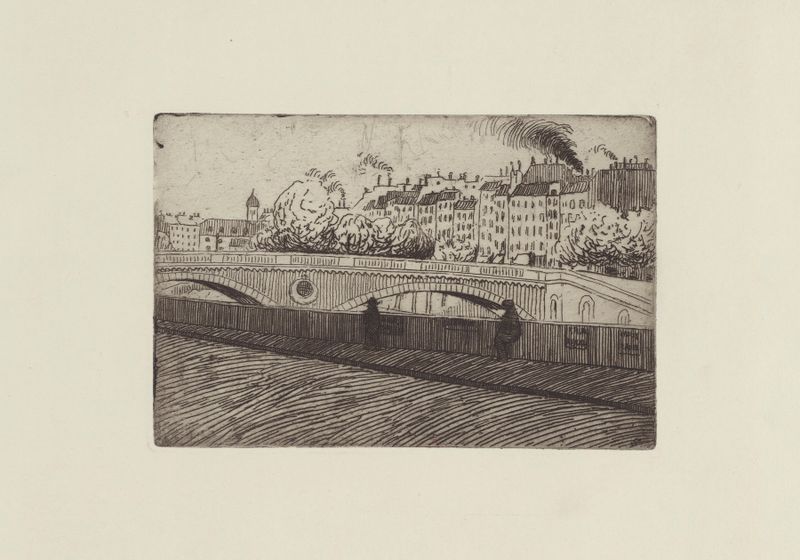
Le pont St Michel
Félix Vallotton
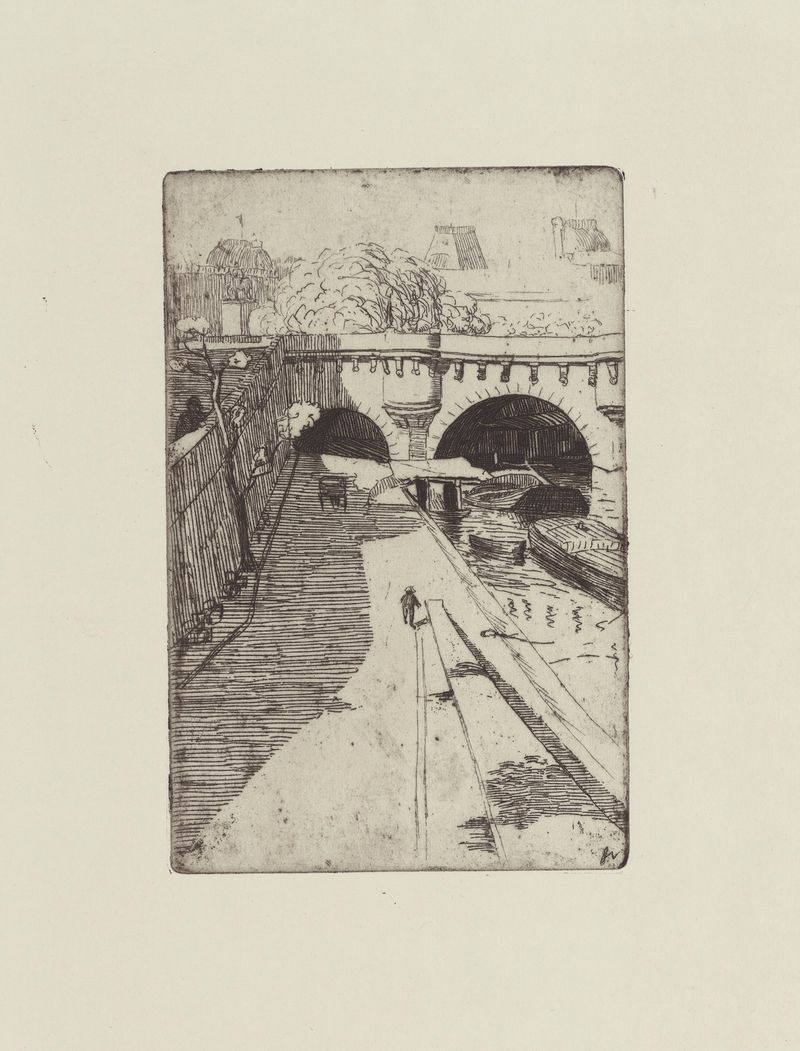
Le Vert-Galant
Félix Vallotton
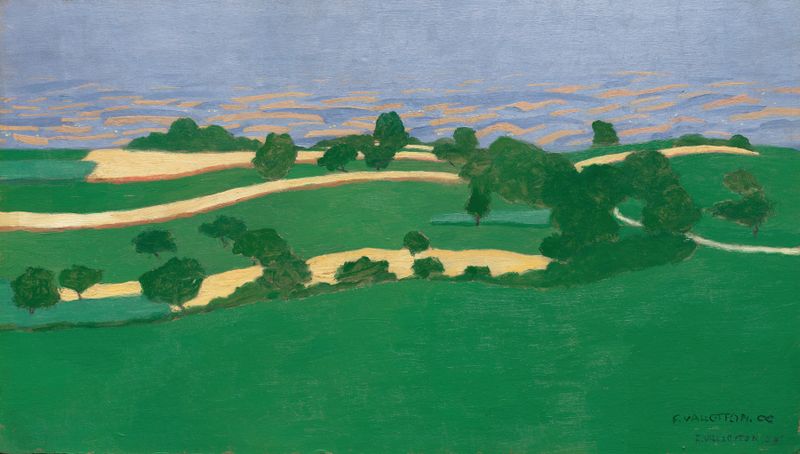
Corn Fields
Félix Vallotton
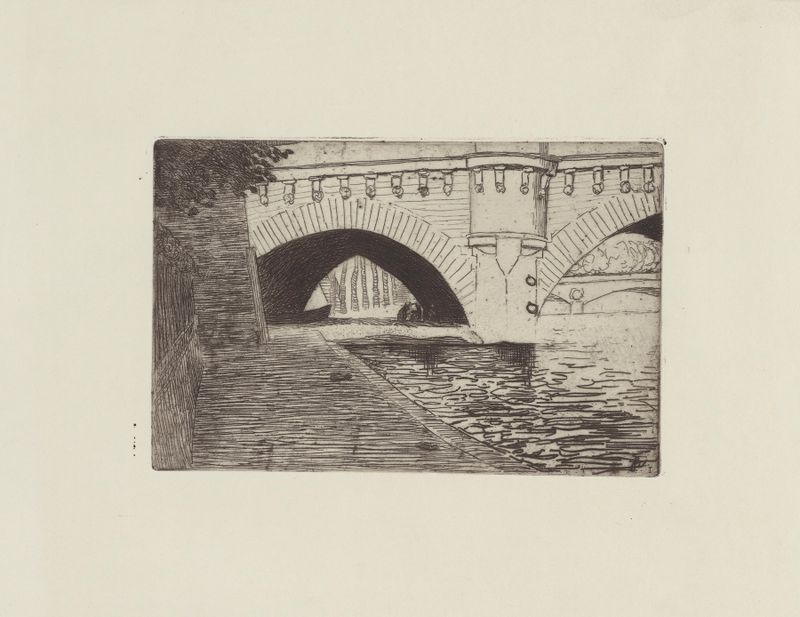
Le Pont-Neuf et le pont St Michel
Félix Vallotton
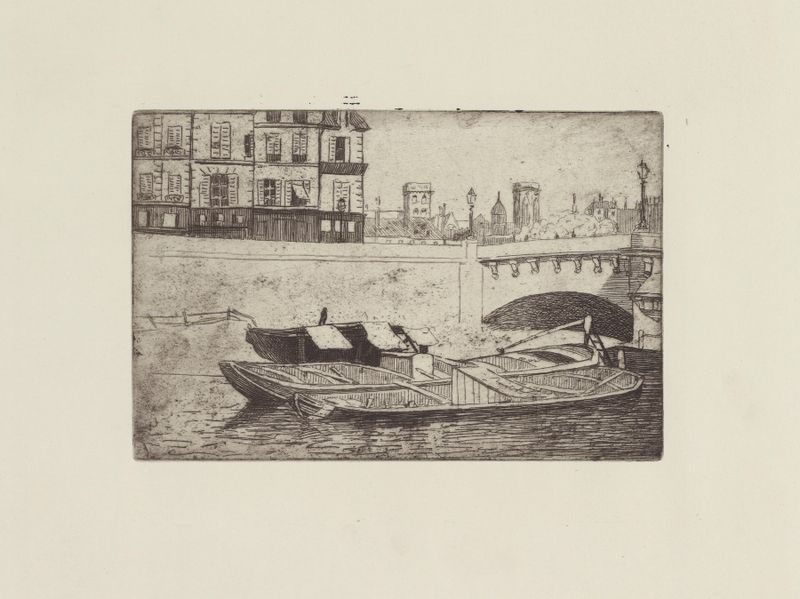
Péniches au Pont-Neuf
Félix Vallotton
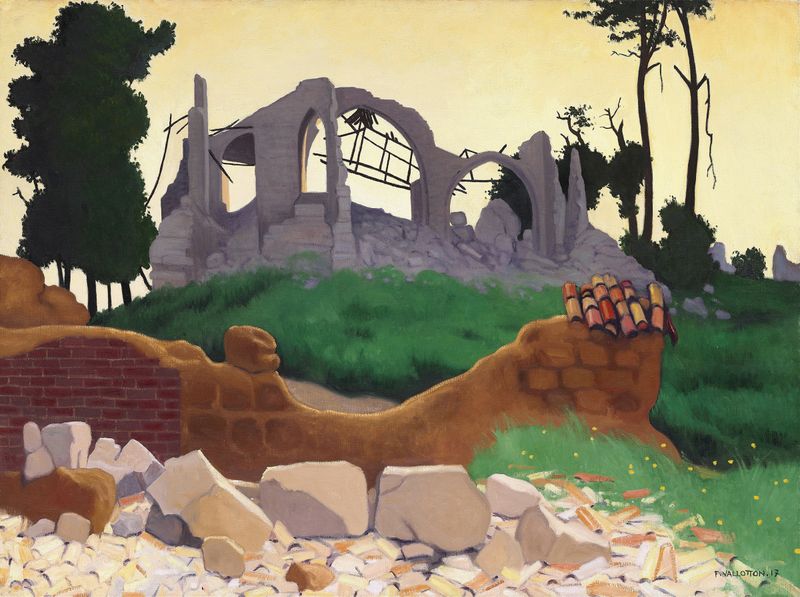
The Church of Souain
Félix Vallotton
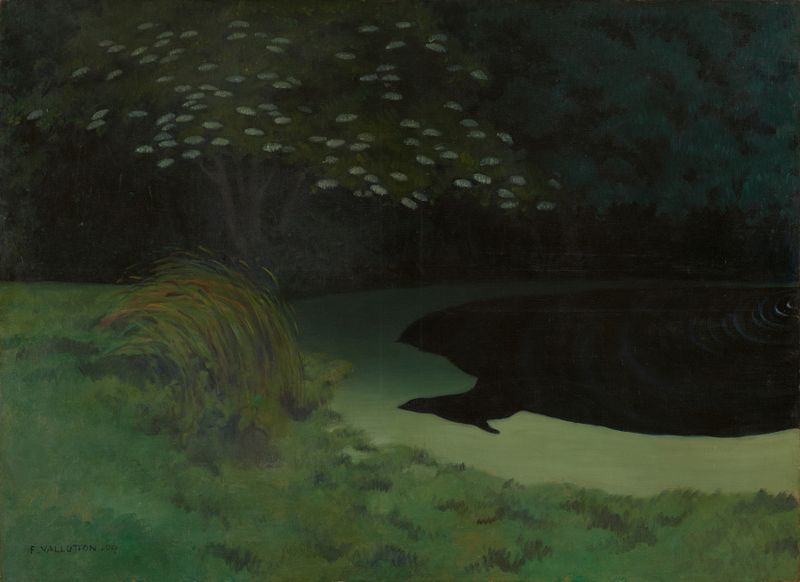
The Pond (Honfleur)
Félix Vallotton
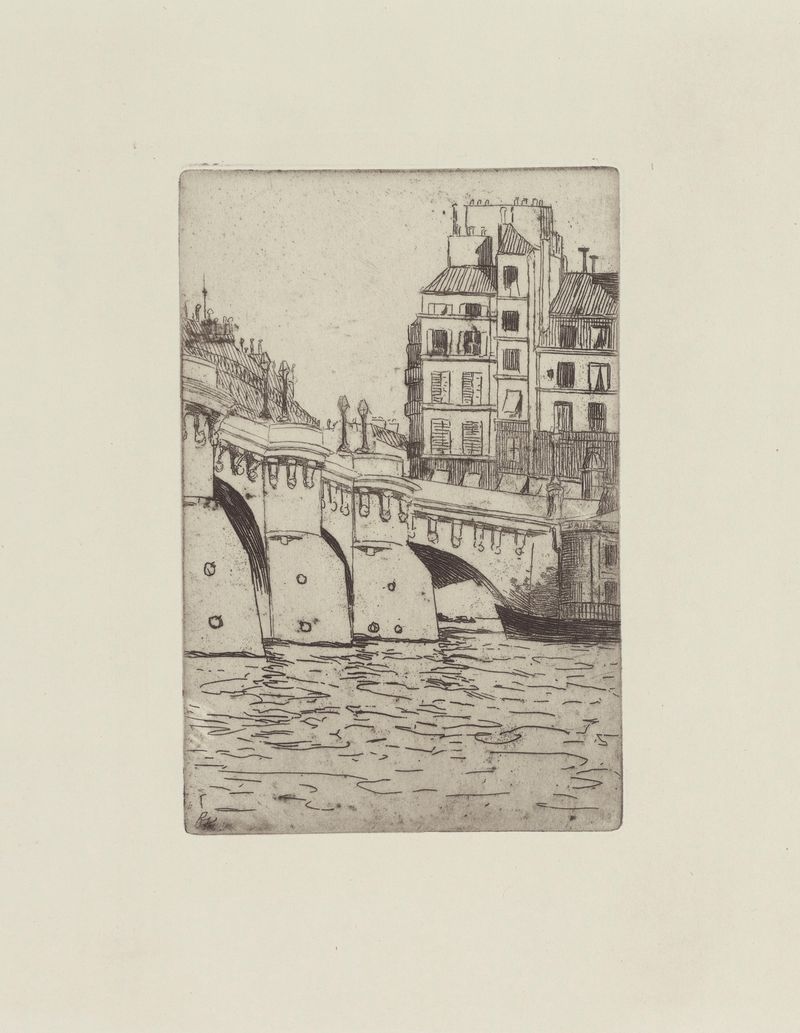
Les bains du Pont-Neuf
Félix Vallotton
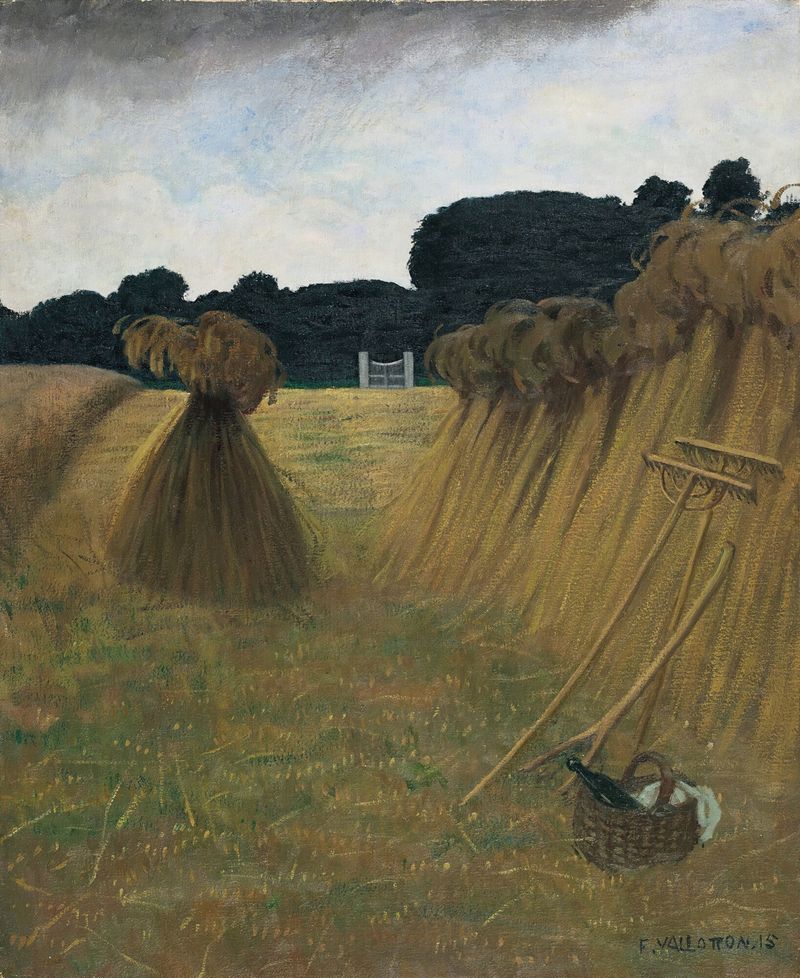
The Sheaves
Félix Vallotton
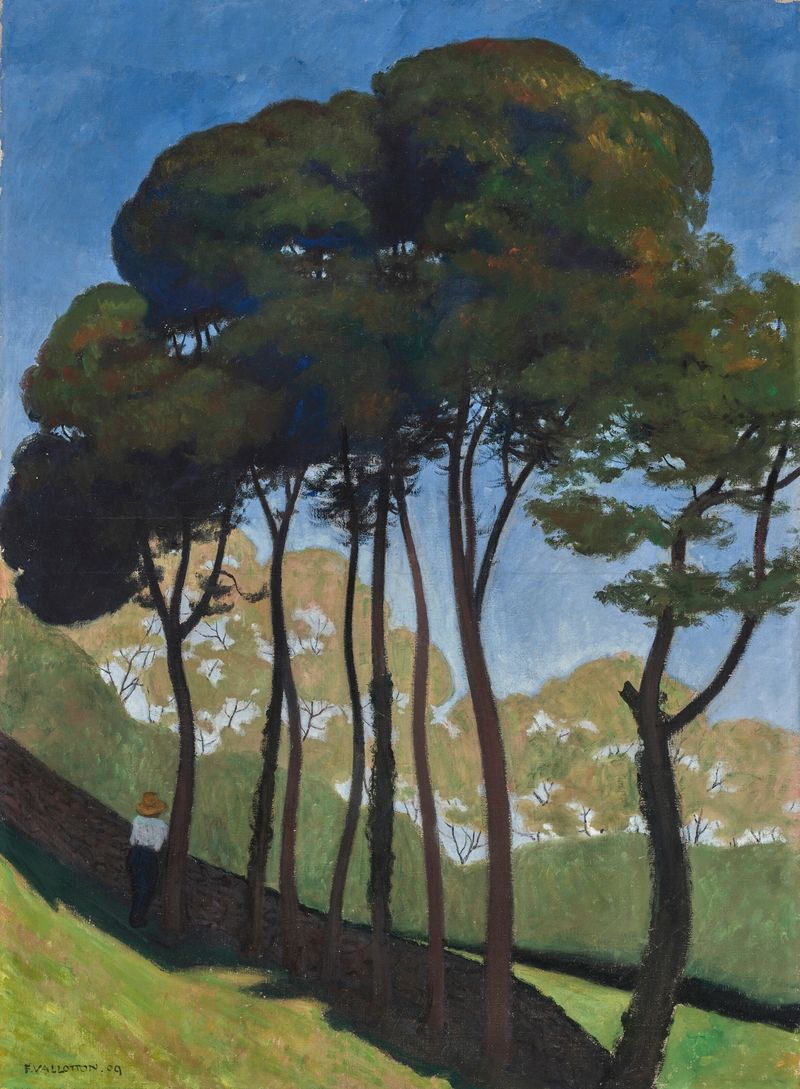
Les Grands Arbres, environs d’Honfleur
Félix Vallotton





