
The Entombment — History & Facts
In the depth of shadows and hues, a grieving ensemble emerges, each figure caught in a moment of profound sorrow. The painting resonates with an emotional weight that transcends mere depiction, inviting the viewer to confront the depths of loss through a palette rich with somber tones. Look closely at the interplay of light and dark; focus on the figure cradling Christ’s body in the center, illuminated with a soft, almost ethereal glow. The stark contrast of the deep blacks and browns against the luminous flesh creates a magnetic tension, pulling your gaze and evoking a visceral response.
The mastery of chiaroscuro here not only reveals form but encapsulates the heavy atmosphere of mourning that permeates the scene. Beyond the evident grief, subtle details reveal unspoken narratives. Notice how the figures’ postures convey a shared despair; the way hands clutch, bodies lean, and faces twist in anguish evokes the fragility of human emotion. The colors, muted yet poignant, reflect an internal struggle—a battle between hope and despair—echoing the tumultuous landscape of faith during this period.
Each stroke vibrates with the weight of unarticulated loss, both personal and collective. In the mid-1650s, Rembrandt was navigating tumultuous times in his personal life, marked by financial struggles and the death of loved ones. Painted around 1654, The Entombment reflects a pivotal moment in his career, where he shifted from the dramatic narratives of earlier works to a more introspective approach. This painting stands as a testament to his ability to convey deep human emotion, resonating with the broader artistic movement of the Dutch Golden Age, where the exploration of light and emotion flourished.
More Artworks by Rembrandt van Rijn
Browse all →
The Night Watch Militia Company of District II under the Command of Captain Frans Banninck Cocq
Rembrandt van Rijn

The Return of the Prodigal Son
Rembrandt van Rijn

The Hundred Guilder Print: the figures leaning on the wall in the centre left
Rembrandt van Rijn

The Hundred Guilder Print: the central piece with Christ preaching, the plate arched
Rembrandt van Rijn

Isaac and Rebecca, Known as ‘The Jewish Bride’
Rembrandt van Rijn
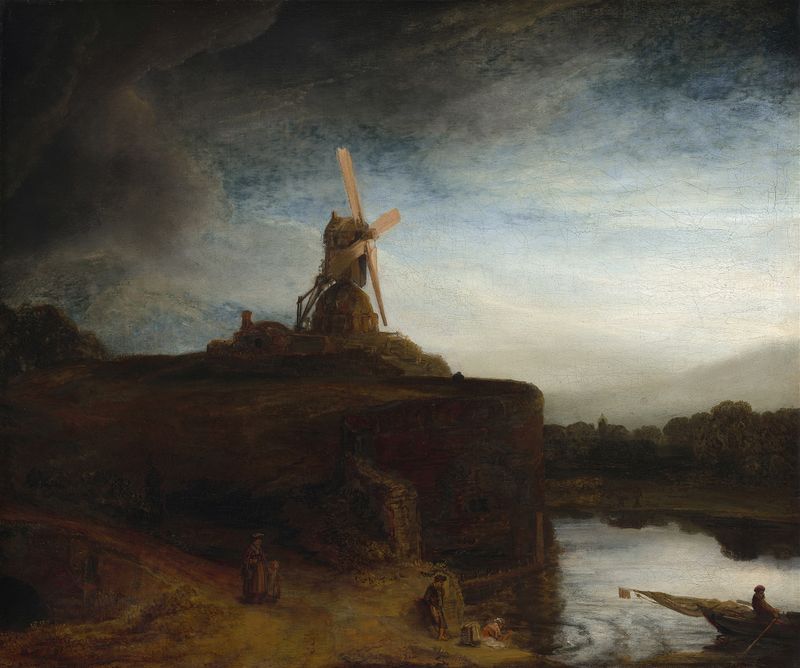
The Mill
Rembrandt van Rijn

The Sampling Officials of the Amsterdam Drapers’ Guild, Known as ‘The Syndics’
Rembrandt van Rijn

The return of the prodigal son
Rembrandt van Rijn
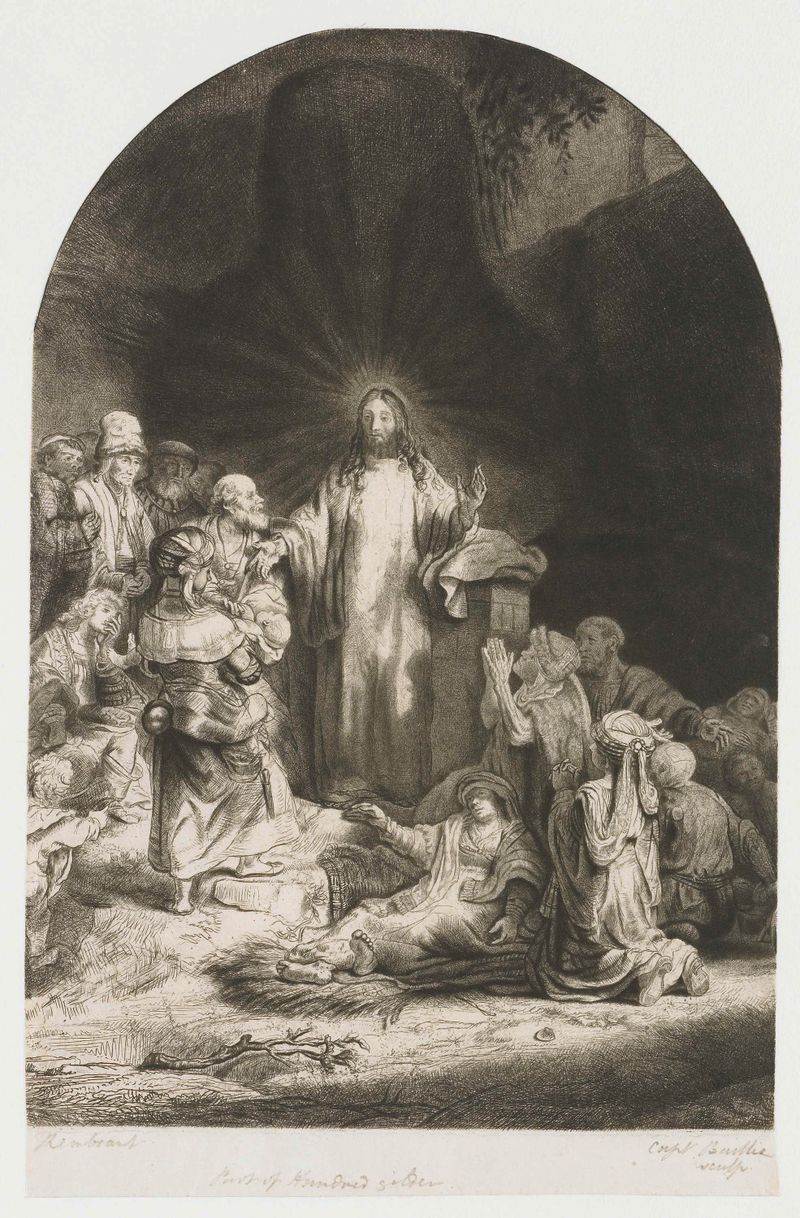
The Hundred Guilder Print: the central piece with Christ preaching, the plate arched
Rembrandt van Rijn

The Hundred Guilder Print: the man seen on the back in the lower left corner
Rembrandt van Rijn
More Religious Art
Browse all →The Return of the Prodigal Son
Rembrandt van Rijn

The Garden of Earthly Delights
El Bosco

Count Orgaz’ funeral
El Greco
The Hundred Guilder Print: the central piece with Christ preaching, the plate arched
Rembrandt van Rijn

The Descent from the Cross
Rogier van der Weyden
The return of the prodigal son
Rembrandt van Rijn