
The Entombment — History & Facts
What if beauty was never meant to be finished? In the embrace of the somber shadows and flickering lights, The Entombment captures a moment rife with both loss and the haunting echo of reverence. Look to the center, where the figure of Christ, draped in somber hues of muted flesh and deep browns, commands immediate attention. The light softly cascades upon his lifeless body, illuminating the sorrow etched upon the faces of those gathered around him. Notice how the gestures of the figures evoke a palpable tension; their intertwined hands and strained expressions weave a silent narrative of despair and devotion, while the surrounding darkness accentuates the depth of their grief. In this masterpiece, hidden meanings surface through the interplay of light and shadow.
The stark contrast not only highlights the fragility of life but also signifies the struggle between faith and doubt. The figures surrounding Christ, each with their distinct emotions, symbolize the collective human experience of mourning and acceptance. Their intimate connection to the subject subtly conveys the revolutionary idea that vulnerability can coexist with strength. Painted around 1654, this work emerged at a time when the artist was grappling with personal and professional turmoil.
The world of art was shifting, moving toward the Baroque style, and Rembrandt was navigating the complexities of fame, loss, and transformation. As he created The Entombment, he poured his soul into the canvas, capturing the essence of humanity amidst a rapidly changing artistic landscape.
More Artworks by Rembrandt van Rijn
Browse all →
The Night Watch Militia Company of District II under the Command of Captain Frans Banninck Cocq
Rembrandt van Rijn

The Return of the Prodigal Son
Rembrandt van Rijn

The Hundred Guilder Print: the figures leaning on the wall in the centre left
Rembrandt van Rijn

The Hundred Guilder Print: the central piece with Christ preaching, the plate arched
Rembrandt van Rijn

Isaac and Rebecca, Known as ‘The Jewish Bride’
Rembrandt van Rijn
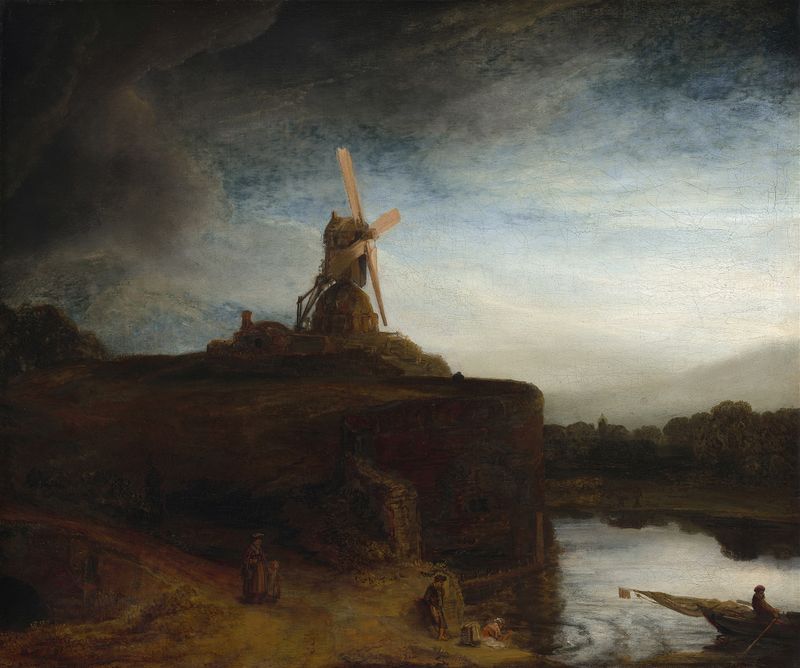
The Mill
Rembrandt van Rijn

The Sampling Officials of the Amsterdam Drapers’ Guild, Known as ‘The Syndics’
Rembrandt van Rijn

The return of the prodigal son
Rembrandt van Rijn
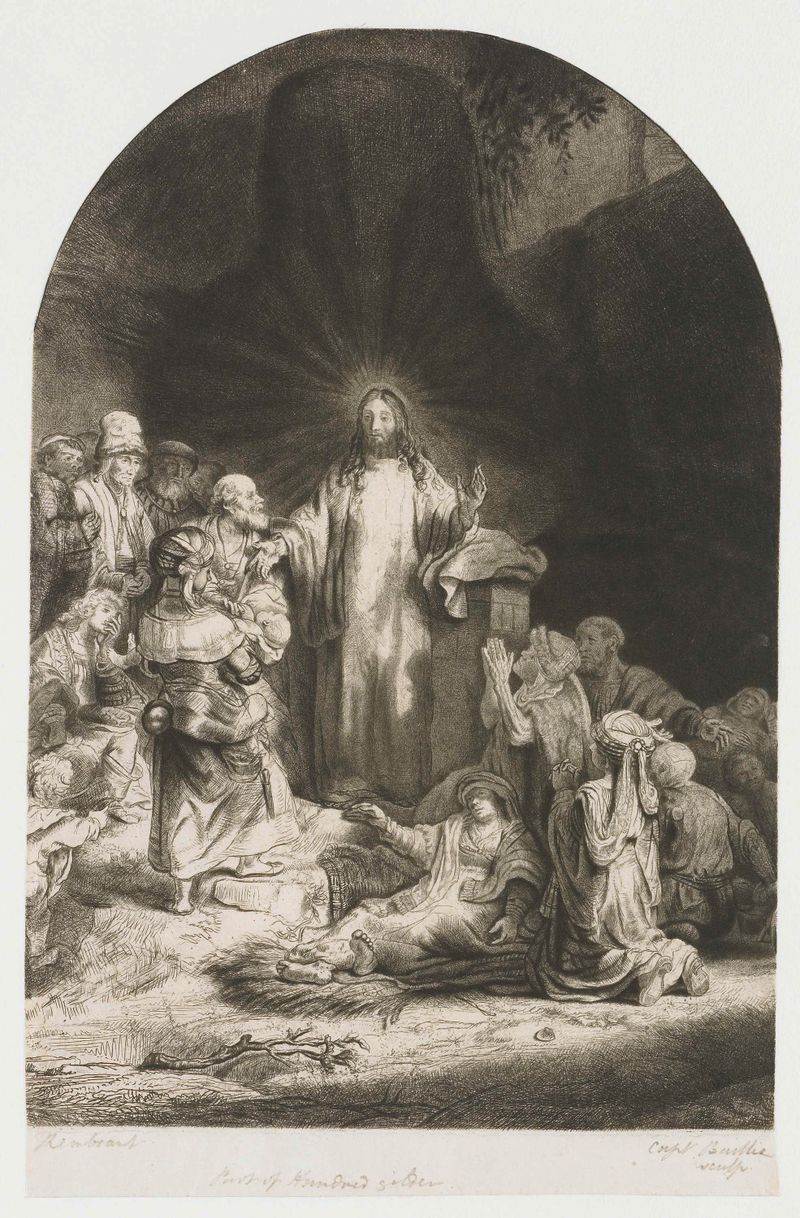
The Hundred Guilder Print: the central piece with Christ preaching, the plate arched
Rembrandt van Rijn

The Hundred Guilder Print: the man seen on the back in the lower left corner
Rembrandt van Rijn
More Religious Art
Browse all →The Return of the Prodigal Son
Rembrandt van Rijn

The Garden of Earthly Delights
El Bosco

Count Orgaz’ funeral
El Greco
The Hundred Guilder Print: the central piece with Christ preaching, the plate arched
Rembrandt van Rijn

The Descent from the Cross
Rogier van der Weyden
The return of the prodigal son
Rembrandt van Rijn