
The Entombment — History & Facts
In Rembrandt's work, light becomes the voice of the unspoken, illuminating not just figures but the deep emotions woven into their expressions. Look closely at the center of the canvas, where the body of Christ is cradled with reverence. The soft, almost ethereal glow surrounding him stands in stark contrast to the surrounding shadows, drawing your gaze to this poignant moment of sorrow. Notice how the drapery of the figures around him captures the light, their gestures both tender and anguished, embodying the weight of grief in their physical forms.
The palette, rich in ochres and deep blacks, crafts a somber atmosphere that complements the scene’s emotional weight. Delve deeper into the expressions of those present; each face tells a story of despair and loss. The woman’s hand, resting on Christ’s shoulder, speaks of love and comfort, while the man’s furrowed brow reveals a struggle to reconcile faith with overwhelming sorrow. This interplay of light and shadow not only defines the figures but also highlights the tension between life and death, capturing the fragile thread that connects them.
Here, the act of entombment becomes both a literal and metaphorical descent into darkness that resonates with anyone who has faced loss. In the mid-17th century, Rembrandt was grappling with personal tragedies and professional challenges in Amsterdam, where he produced The Entombment. This work reflects not only his masterful technique but also his profound empathy towards human suffering. This period in his life marked a transition, as he sought to explore spirituality and the human condition with a depth that would forever transform the narrative of art.
More Artworks by Rembrandt van Rijn
Browse all →
The Night Watch Militia Company of District II under the Command of Captain Frans Banninck Cocq
Rembrandt van Rijn

The Return of the Prodigal Son
Rembrandt van Rijn

The Hundred Guilder Print: the figures leaning on the wall in the centre left
Rembrandt van Rijn

The Hundred Guilder Print: the central piece with Christ preaching, the plate arched
Rembrandt van Rijn

Isaac and Rebecca, Known as ‘The Jewish Bride’
Rembrandt van Rijn
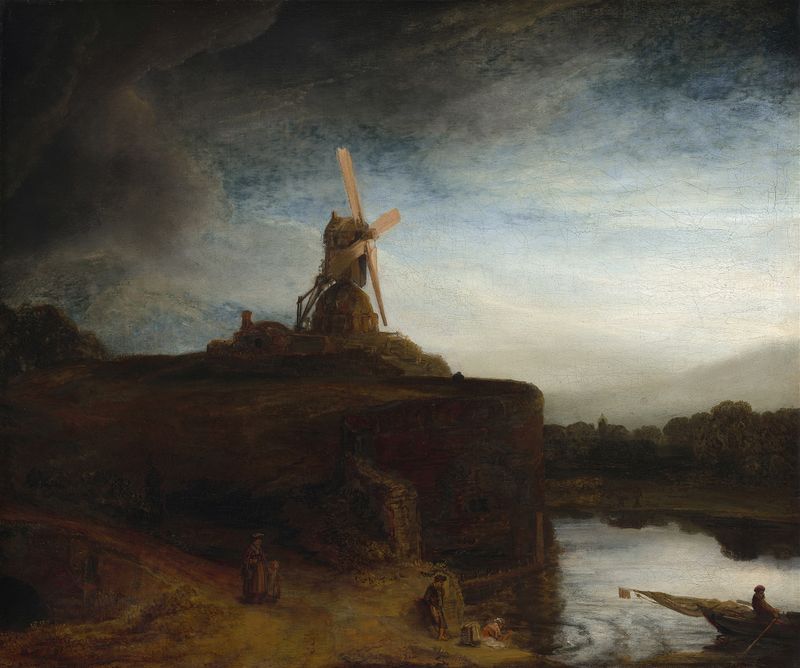
The Mill
Rembrandt van Rijn

The Sampling Officials of the Amsterdam Drapers’ Guild, Known as ‘The Syndics’
Rembrandt van Rijn

The return of the prodigal son
Rembrandt van Rijn
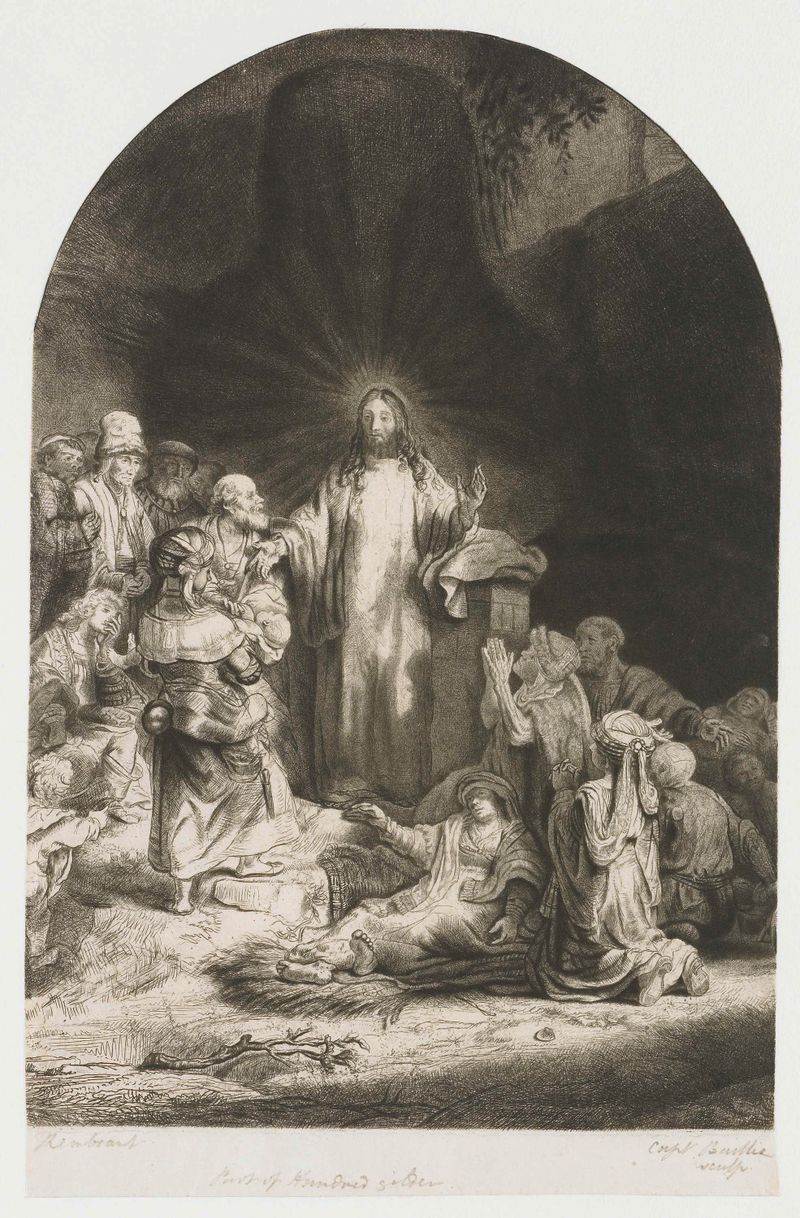
The Hundred Guilder Print: the central piece with Christ preaching, the plate arched
Rembrandt van Rijn

The Hundred Guilder Print: the man seen on the back in the lower left corner
Rembrandt van Rijn
More Religious Art
Browse all →The Return of the Prodigal Son
Rembrandt van Rijn

The Garden of Earthly Delights
El Bosco

Count Orgaz’ funeral
El Greco
The Hundred Guilder Print: the central piece with Christ preaching, the plate arched
Rembrandt van Rijn

The Descent from the Cross
Rogier van der Weyden
The return of the prodigal son
Rembrandt van Rijn