
The Entombment — History & Facts
Who listens when art speaks of silence? In The Entombment, chaos is interwoven with the stillness of grief, where the weight of sorrow transcends the canvas. Begin by looking at the center of the painting, where the lifeless body of Christ is cradled. Notice how the figures surrounding him seem to lean inward, their expressions etched with anguish and disbelief. The interplay of light and shadow, characteristic of the artist’s mastery, engulfs the scene; the illuminated face of Christ stands in stark contrast to the enveloping darkness, drawing your focus with heartbreaking clarity.
Each figure is rendered with remarkable detail, their gestures and expressions conveying an intimacy that invites you to witness their profound loss. Delve deeper into the emotions captured within this sacred moment. Observe the tension between the composure of the Magdalene and the despair etched on Joseph of Arimathea’s face; this juxtaposition reveals a spectrum of human experience in the face of death. The chaotic swirl of drapery surrounding the figures symbolizes the tumultuous aftermath of loss, while the rich, muted color palette evokes a solemnity that permeates the atmosphere.
Each brushstroke not only narrates a story but also encapsulates the pain of separation—a universal experience that resonates across time. In the mid-17th century, Rembrandt was grappling with both personal tragedies and professional challenges in Amsterdam. This period, marked by loss of loved ones and dwindling commissions, catalyzed a profound shift in his artistic approach. The Entombment, created around 1654, reflects not only the emotional landscape of the artist’s life but also a broader exploration of humanity’s encounter with mortality, showcasing his evolving mastery of light, form, and psychological depth.
More Artworks by Rembrandt van Rijn
Browse all →
The Night Watch Militia Company of District II under the Command of Captain Frans Banninck Cocq
Rembrandt van Rijn

The Return of the Prodigal Son
Rembrandt van Rijn

The Hundred Guilder Print: the figures leaning on the wall in the centre left
Rembrandt van Rijn

The Hundred Guilder Print: the central piece with Christ preaching, the plate arched
Rembrandt van Rijn

Isaac and Rebecca, Known as ‘The Jewish Bride’
Rembrandt van Rijn
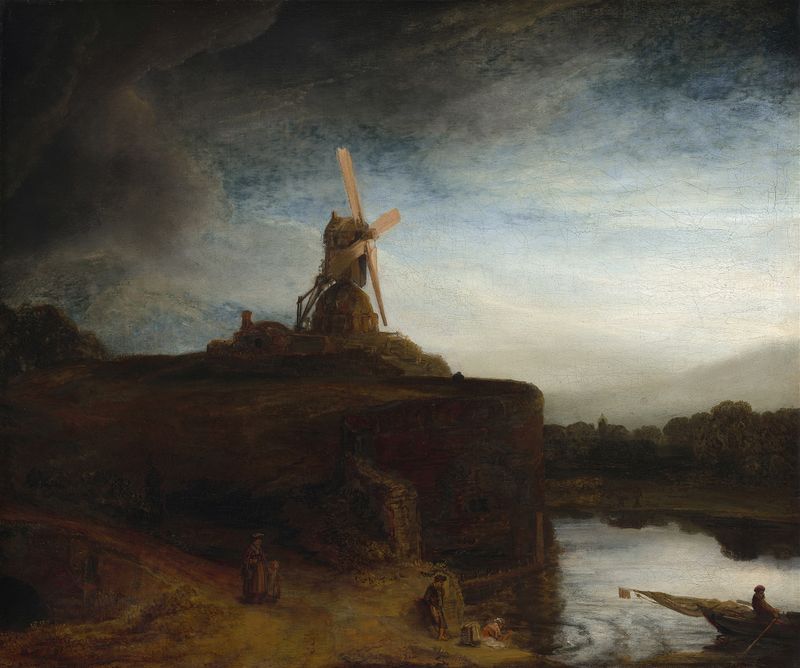
The Mill
Rembrandt van Rijn

The Sampling Officials of the Amsterdam Drapers’ Guild, Known as ‘The Syndics’
Rembrandt van Rijn

The return of the prodigal son
Rembrandt van Rijn
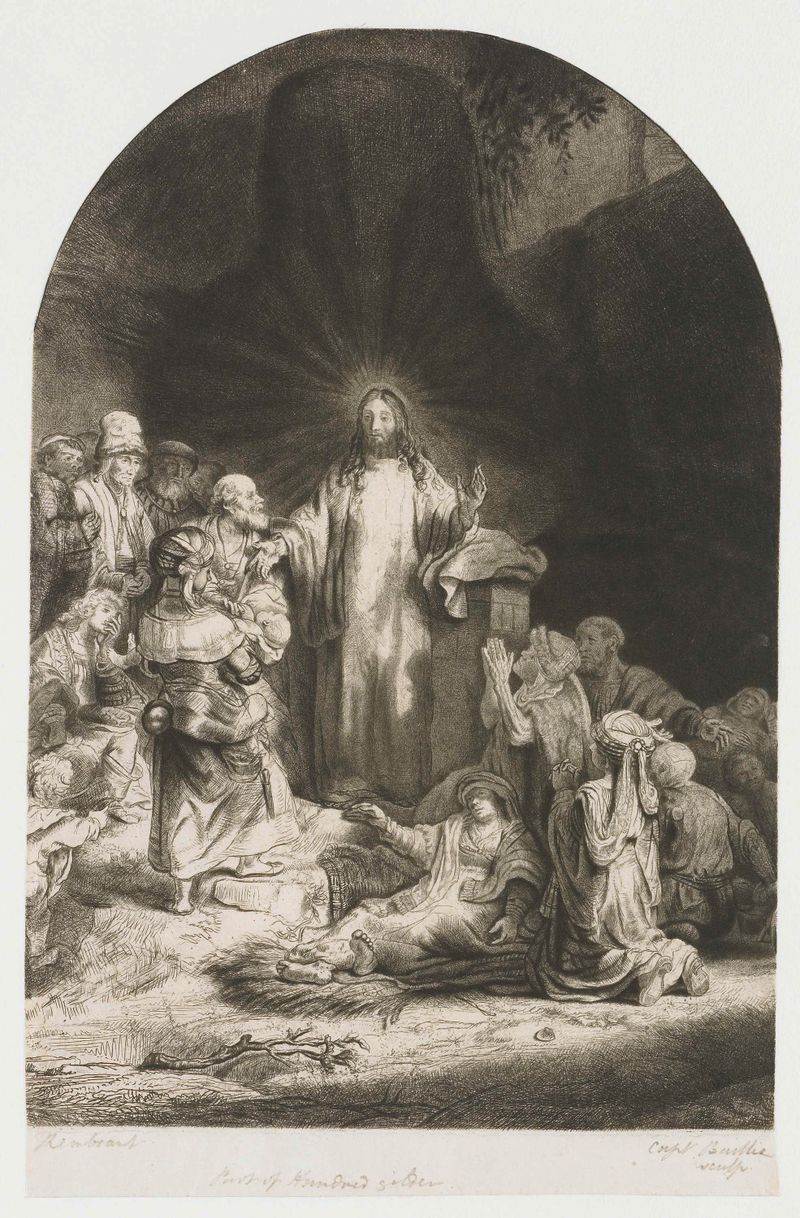
The Hundred Guilder Print: the central piece with Christ preaching, the plate arched
Rembrandt van Rijn

The Hundred Guilder Print: the man seen on the back in the lower left corner
Rembrandt van Rijn
More Religious Art
Browse all →The Return of the Prodigal Son
Rembrandt van Rijn

The Garden of Earthly Delights
El Bosco

Count Orgaz’ funeral
El Greco
The Hundred Guilder Print: the central piece with Christ preaching, the plate arched
Rembrandt van Rijn

The Descent from the Cross
Rogier van der Weyden
The return of the prodigal son
Rembrandt van Rijn