
The Entombment — History & Facts
In the stillness of The Entombment, silence echoes the weight of loss, inviting viewers to contemplate legacy in the face of mortality. Here, the tension of grief is palpable, as figures surround a lifeless body, each expression a testament to love and sorrow intertwined. Look to the center, where the somber figure of Christ is gently cradled, his form contrasting with the vibrant, almost ethereal light that spills forth from the top left. Notice how the deep, rich browns of the shadows cradle the figures, while golden highlights illuminate their faces, revealing a range of emotions from despair to devotion.
The masterful brushwork and chiaroscuro technique draw the eye, inviting a lingering gaze on the intricate details of grieving hands and tear-streaked faces. Beneath the surface, the painting explores the fragile nature of human existence and the enduring power of memory. The juxtaposition of light and shadow mirrors the dichotomy of life and death, while the placement of the figures around Christ suggests an unbreakable bond that transcends physical being. Each character’s posture conveys their individual relationship to loss, weaving a collective tapestry of mourning that invites reflection on what remains after one is gone. Created around 1654, this work emerged during a period of personal struggle for the artist, marked by financial difficulties and the loss of loved ones.
Rembrandt's exploration of biblical themes at this time mirrors the turbulence of his life, as he sought refuge in art to address profound questions of existence. Set against a backdrop of shifting artistic ideals, The Entombment stands as a poignant testament to the legacy of both the artist and the narratives he chose to immortalize.
More Artworks by Rembrandt van Rijn
Browse all →
The Night Watch Militia Company of District II under the Command of Captain Frans Banninck Cocq
Rembrandt van Rijn

The Return of the Prodigal Son
Rembrandt van Rijn

The Hundred Guilder Print: the figures leaning on the wall in the centre left
Rembrandt van Rijn

The Hundred Guilder Print: the central piece with Christ preaching, the plate arched
Rembrandt van Rijn

Isaac and Rebecca, Known as ‘The Jewish Bride’
Rembrandt van Rijn
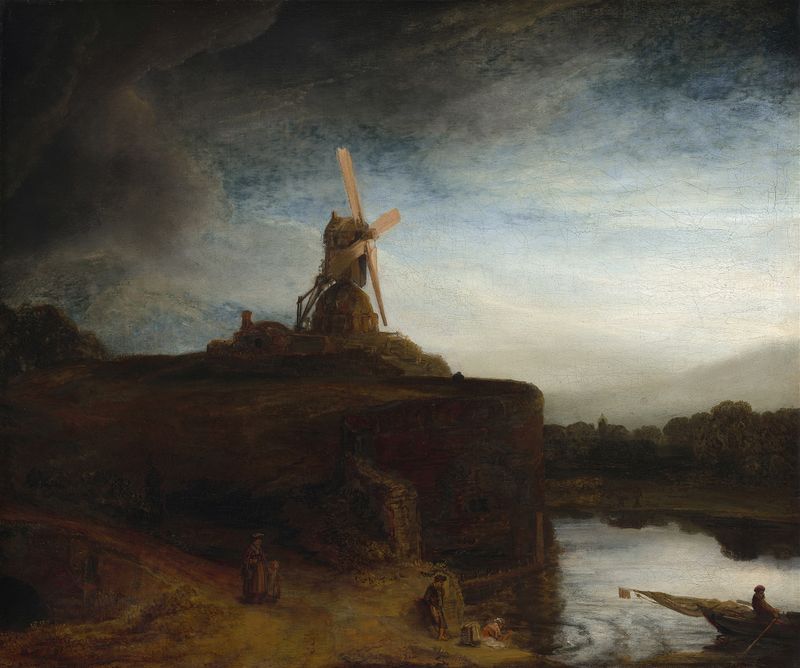
The Mill
Rembrandt van Rijn

The Sampling Officials of the Amsterdam Drapers’ Guild, Known as ‘The Syndics’
Rembrandt van Rijn

The return of the prodigal son
Rembrandt van Rijn
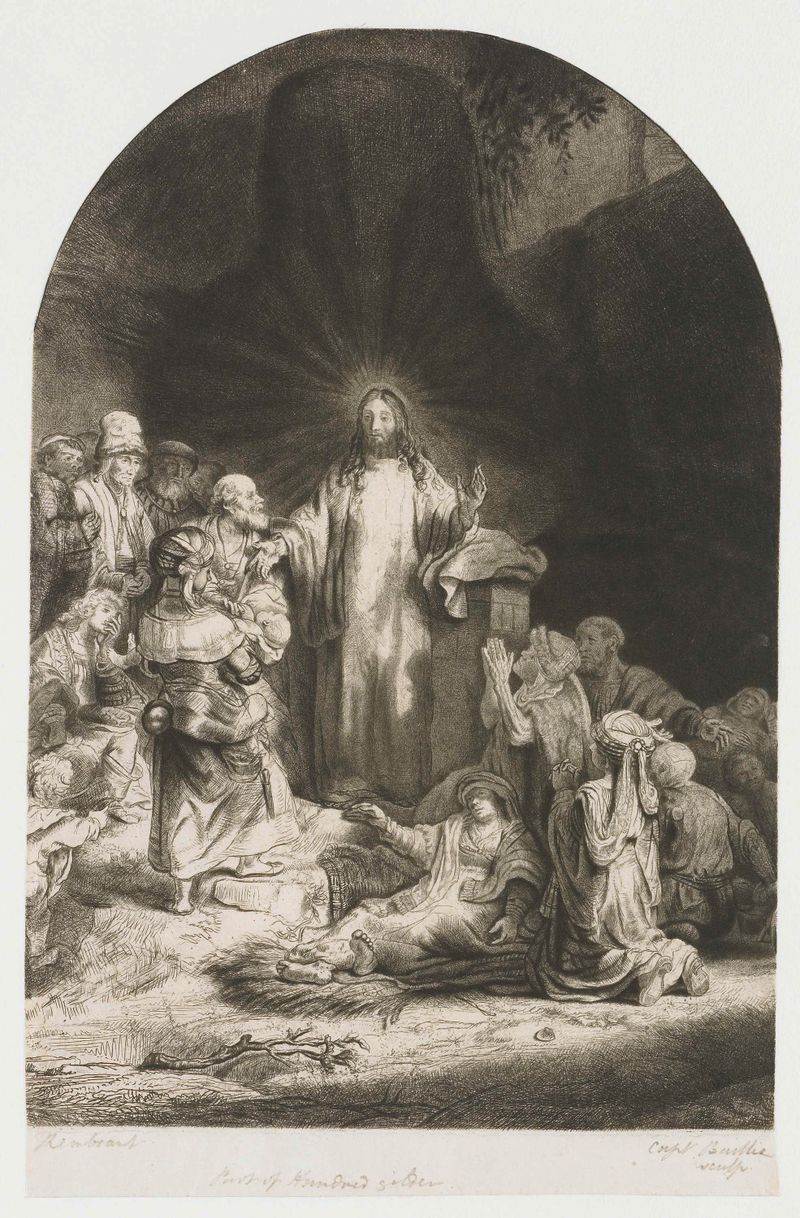
The Hundred Guilder Print: the central piece with Christ preaching, the plate arched
Rembrandt van Rijn

The Hundred Guilder Print: the man seen on the back in the lower left corner
Rembrandt van Rijn
More Religious Art
Browse all →The Return of the Prodigal Son
Rembrandt van Rijn

The Garden of Earthly Delights
El Bosco

Count Orgaz’ funeral
El Greco
The Hundred Guilder Print: the central piece with Christ preaching, the plate arched
Rembrandt van Rijn

The Descent from the Cross
Rogier van der Weyden
The return of the prodigal son
Rembrandt van Rijn