
The Entombment — History & Facts
When did color learn to lie? In The Entombment, betrayal seeps through shadows, whispering the silence of grief and loss. Look to the center, where the weary figures gather around the lifeless body, their expressions a haunting blend of sorrow and resignation. Notice how the somber palette—deep browns and muted reds—contrasts sharply with the flicker of light illuminating Christ's pale form. The artist employs chiaroscuro masterfully, casting dark tones that cradle the figures in despair, yet revealing delicate highlights that beckon the viewer’s eye to the central drama unfolding before us. Delve deeper into the gestures — the way one figure leans in, cradling the deceased, while another stands at a distance, caught in an emotional crossfire.
This dynamic suggests a tension between love and alienation, evoking a sense of betrayal not just of life but of faith. The small details, such as the cloth trembling in hands, resonate with the weight of unfulfilled promises, prompting reflection on the nature of sacrifice and abandonment. In 1654, Rembrandt was navigating both personal and professional tumult, experiencing financial struggles and deepening introspection following the death of his wife. This period marked a significant evolution in his artistic approach, where he began to explore darker themes and a more profound emotional resonance.
The world of art itself was shifting, transitioning from the grandeur of Baroque to a more intimate, narrative-driven expression, allowing the artist to delve deeply into the human experience.
More Artworks by Rembrandt van Rijn
Browse all →
The Night Watch Militia Company of District II under the Command of Captain Frans Banninck Cocq
Rembrandt van Rijn

The Return of the Prodigal Son
Rembrandt van Rijn

The Hundred Guilder Print: the figures leaning on the wall in the centre left
Rembrandt van Rijn

The Hundred Guilder Print: the central piece with Christ preaching, the plate arched
Rembrandt van Rijn

Isaac and Rebecca, Known as ‘The Jewish Bride’
Rembrandt van Rijn
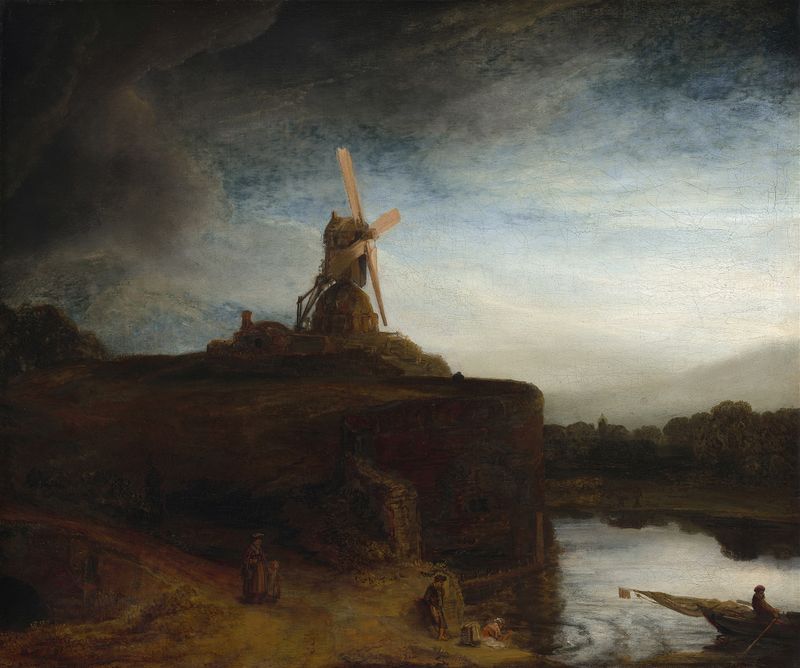
The Mill
Rembrandt van Rijn

The Sampling Officials of the Amsterdam Drapers’ Guild, Known as ‘The Syndics’
Rembrandt van Rijn

The return of the prodigal son
Rembrandt van Rijn
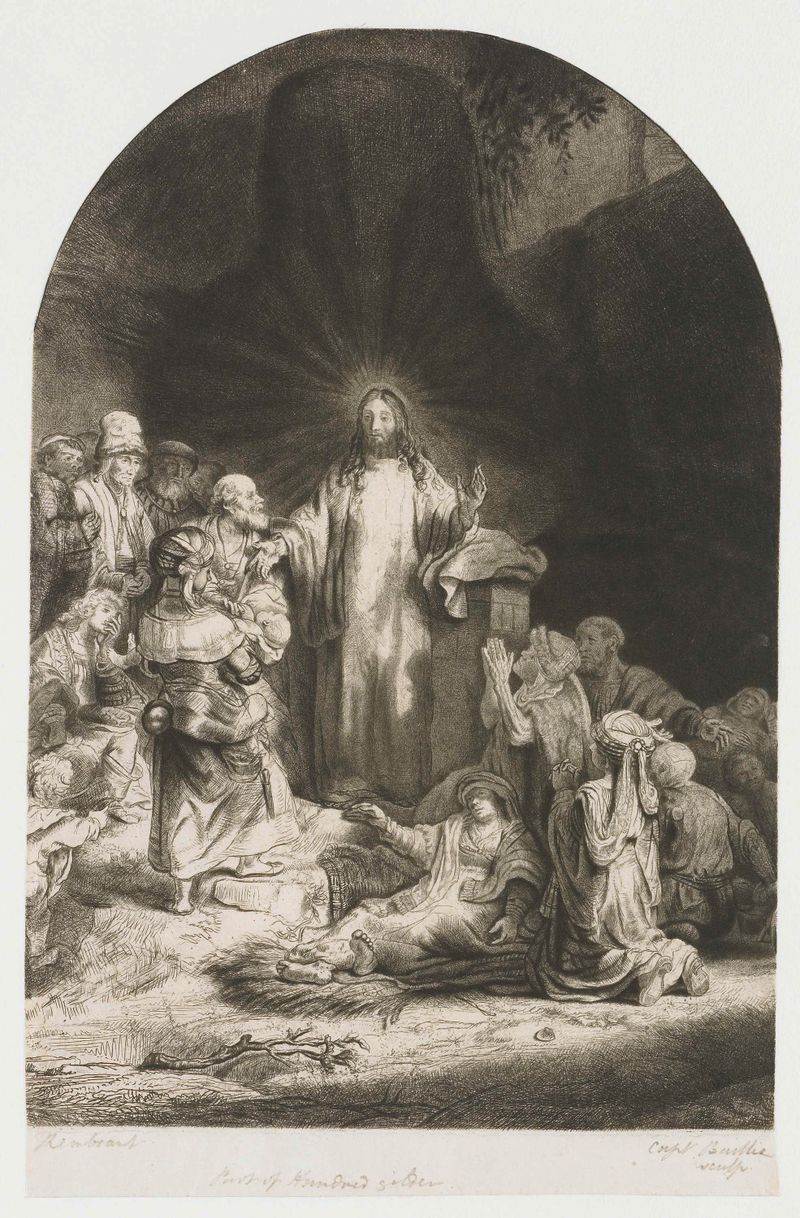
The Hundred Guilder Print: the central piece with Christ preaching, the plate arched
Rembrandt van Rijn

The Hundred Guilder Print: the man seen on the back in the lower left corner
Rembrandt van Rijn
More Religious Art
Browse all →The Return of the Prodigal Son
Rembrandt van Rijn

The Garden of Earthly Delights
El Bosco

Count Orgaz’ funeral
El Greco
The Hundred Guilder Print: the central piece with Christ preaching, the plate arched
Rembrandt van Rijn

The Descent from the Cross
Rogier van der Weyden
The return of the prodigal son
Rembrandt van Rijn