
The Escorial — History & Facts
In The Escorial, light dances between the grandiosity of architecture and the whispers of history, challenging our perception of beauty and decay. Look to the upper left, where the sun spills languidly over the majestic façade, bathing it in a warm, golden hue. The intricate details of stonework emerge sharply against the azure sky, drawing your eye to the play of light and shadow. Notice how the sharp angles contrast with the ethereal softness of the clouds, creating a dialogue between the solid and the ephemeral.
Canella’s brushwork, both deliberate and flowing, encapsulates the tension of the moment, inviting you to linger in its embrace. Yet beneath the surface lies a paradox. The very beauty of the structure, with its regal lines and immaculate symmetry, belies the weight of its history—an edifice built not just from stone but from the struggles and despair of those it housed. The light, while illuminating, also reveals the crumbling edges, hinting at the impermanence of grandeur.
Here, hope and melancholy intertwine, offering an invitation to reflect on the duality of existence, where glory often walks hand in hand with sorrow. Canella painted this work during a period marked by an engagement with neoclassical ideals. While the exact date remains unknown, it is believed to be a reflection of his explorations in the late 19th century, a time when artists sought to capture not just the visible, but the emotional depths of their subjects. Situated amidst the rise of Romanticism, this piece encapsulates the artist’s desire to evoke not just an image, but a conversation about beauty and its inherent complexities.
More Artworks by Giuseppe Canella
Browse all →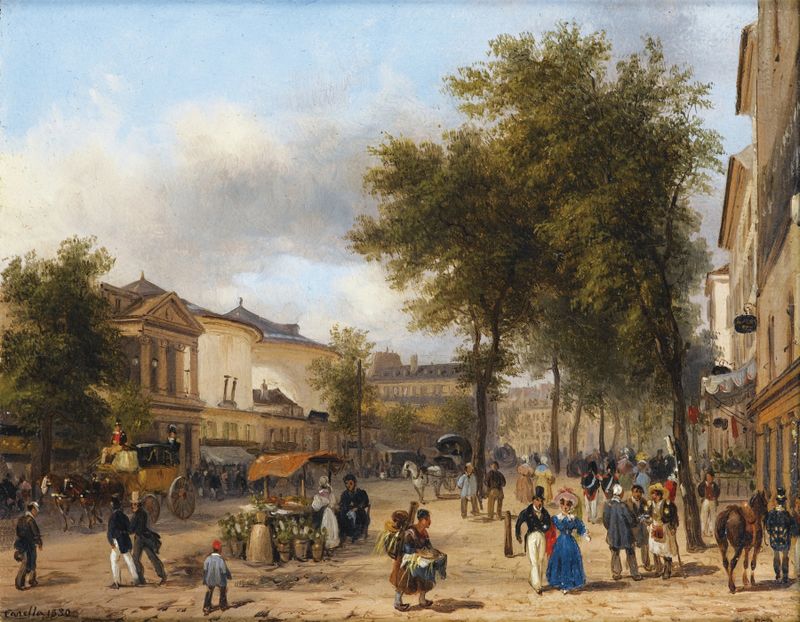
Paris, Vue du Théâtre des Variétés sur le Boulevard Montmartre
Giuseppe Canella

L’Hôtel de Ville et la place de Grève, vus de l’Ile de la Cité
Giuseppe Canella
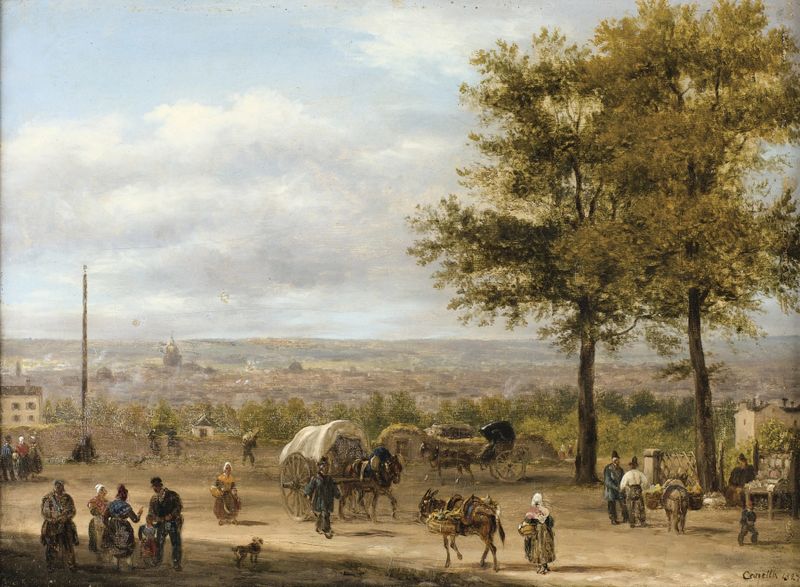
Vue des hauteurs de Paris
Giuseppe Canella
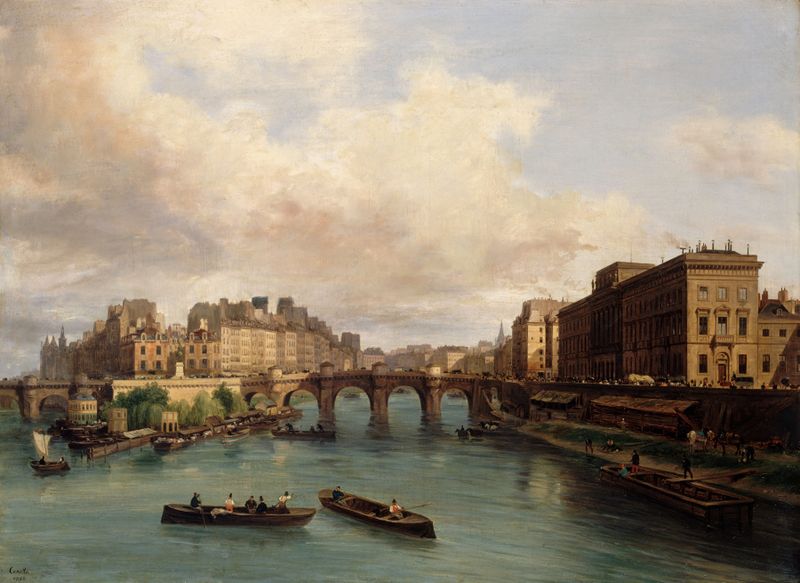
L’Ile de la Cité et le quai Conti, vus de la passerelle des Arts
Giuseppe Canella

Amsterdam, A View of the Royal Palace
Giuseppe Canella

Les Halles et la rue de la Tonnellerie
Giuseppe Canella
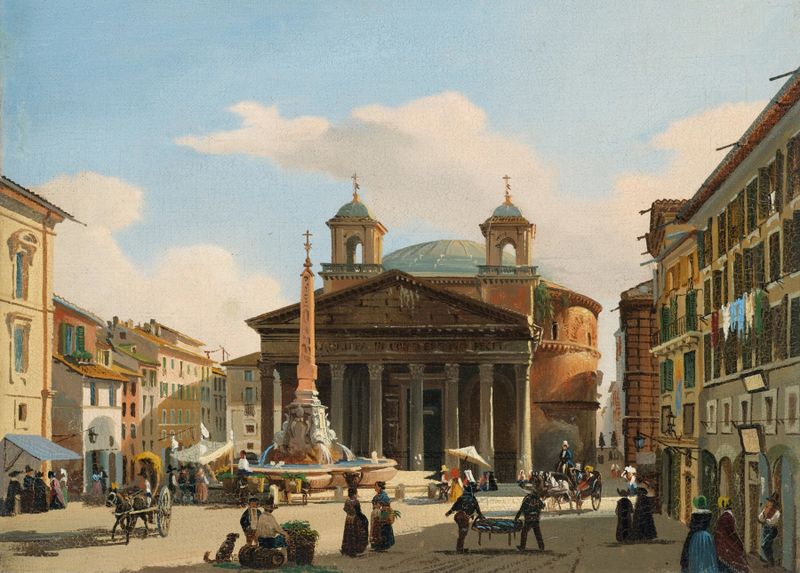
Vue du Panthéon à Rome
Giuseppe Canella
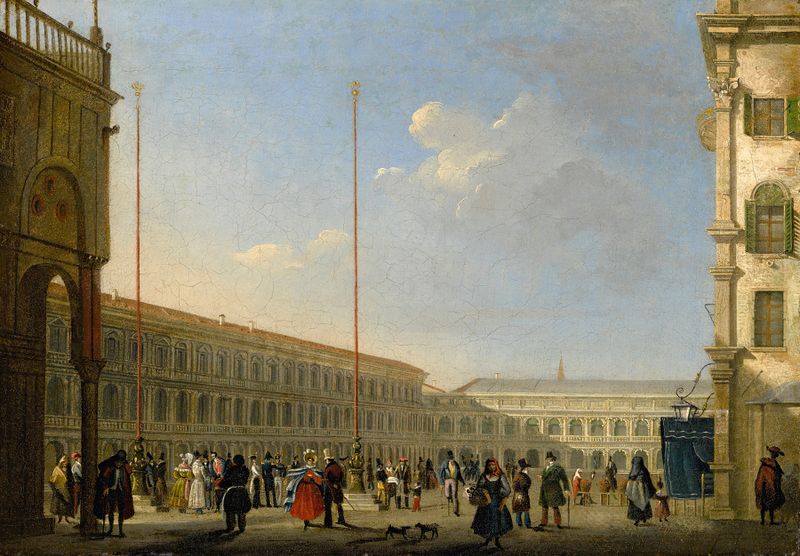
Venice, A View Of Piazza San Marco From Piazzetta Dei Leoncini
Giuseppe Canella
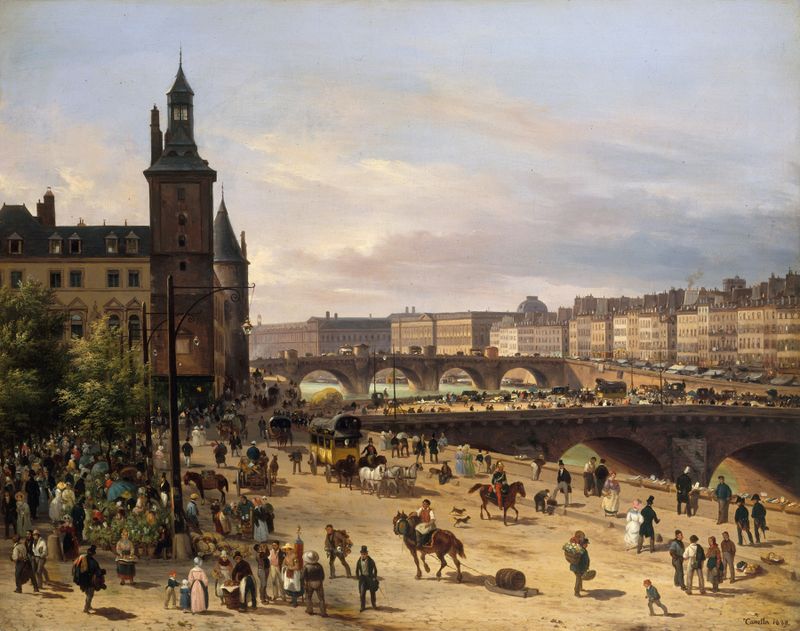
Le marché aux fleurs, la Tour de l’Horloge, le Pont au Change et le Pont-Neuf
Giuseppe Canella
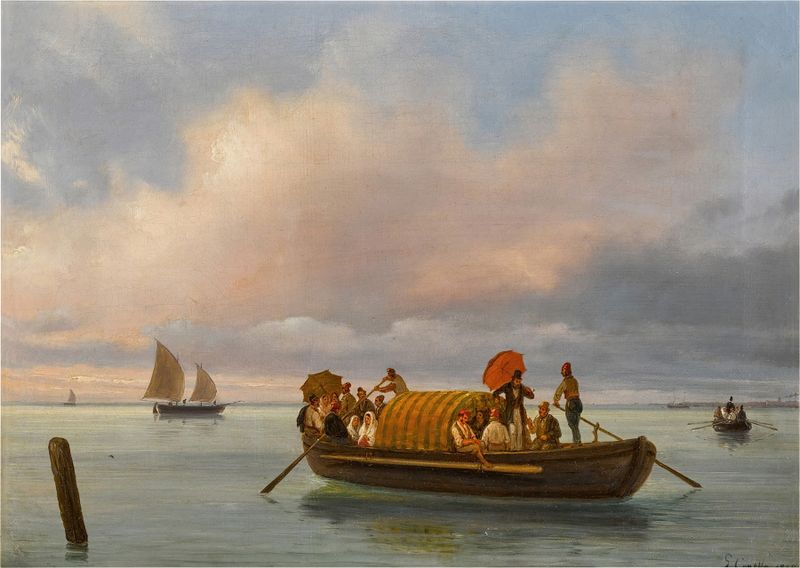
A Venetian scene with a gondola on a lagoon
Giuseppe Canella
More Architecture Art
Browse all →
The statue of Liberty
Frédéric Auguste Bartholdi

View of Houses in Delft, Known as ‘The Little Street’
Johannes Vermeer

View of Houses in Delft, Known as ‘The Little Street’
Johannes Vermeer

The Cathedral in Rouen. The portal, Grey Weather
Claude Monet

The yellow house
Vincent van Gogh

The Church in Auvers-sur-Oise, View from the Chevet
Vincent van Gogh