The Farm Well — History & Facts
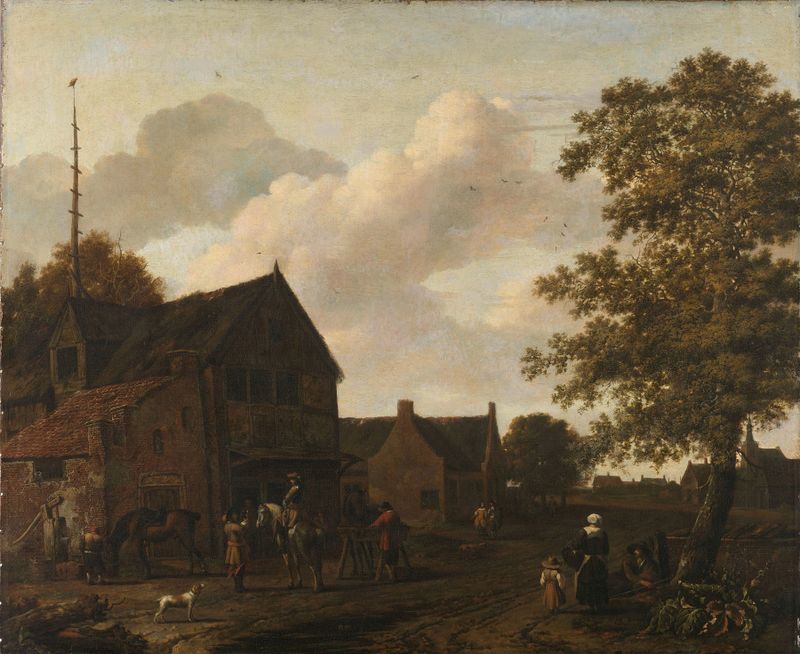
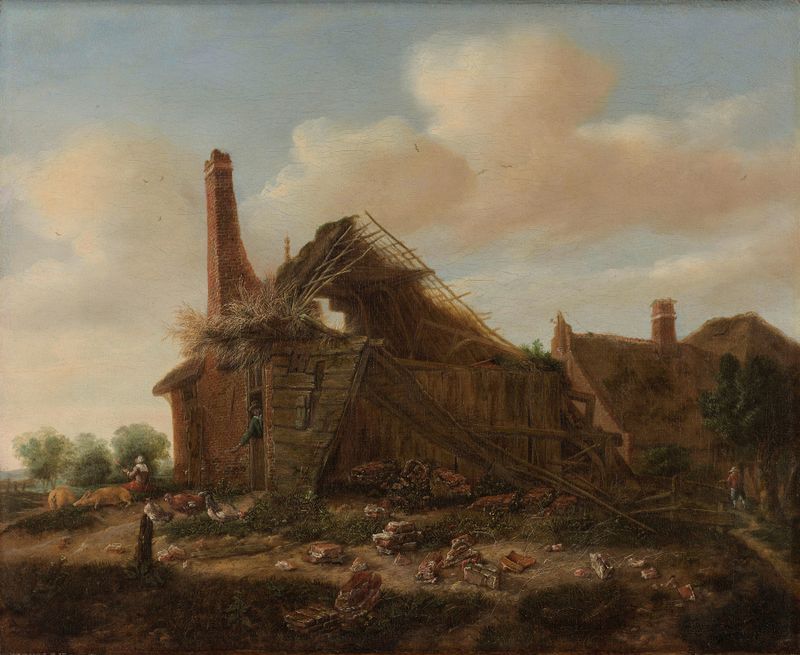
In the depths of memory, we find moments suspended in time, inviting reflection and introspection. Every brushstroke holds a tale, whispering secrets of lives lived and dreams deferred. Look to the left at the well, its stones worn smooth by generations of hands that have sought water and respite. The earthy tones of the surrounding landscape envelop the scene, with muted greens and browns creating a gentle harmony.
Notice how the light filters through the trees, casting dappled shadows that dance across the ground, suggesting the passage of time and the weight of history. Embedded within the artwork is a contrast between the serenity of the well and the potential for life it symbolizes. The stillness of the water invites contemplation, hinting at both sustenance and the inevitability of drought. The presence of the figures—though small and almost ghostly—evokes a rich tapestry of interactions and stories, a reminder of the community woven around this life source.
Each element stands as a testament to resilience and the bittersweet nature of remembrance. The piece was created in the 1670s as a copy by Emanuel Murant, who was actively engaged in the Baroque movement. During this period, he focused on depicting rural life and everyday scenes, reflecting the socio-economic shifts of the time. As the world around him grappled with change, Murant's work served as both a celebration of the pastoral and a poignant acknowledgment of the moments that define human existence.