The watering place — History & Facts
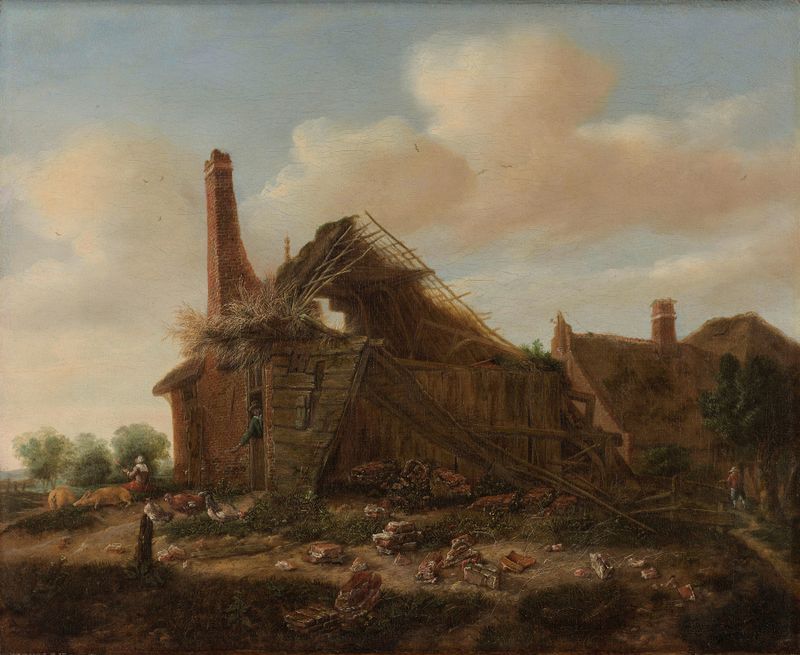
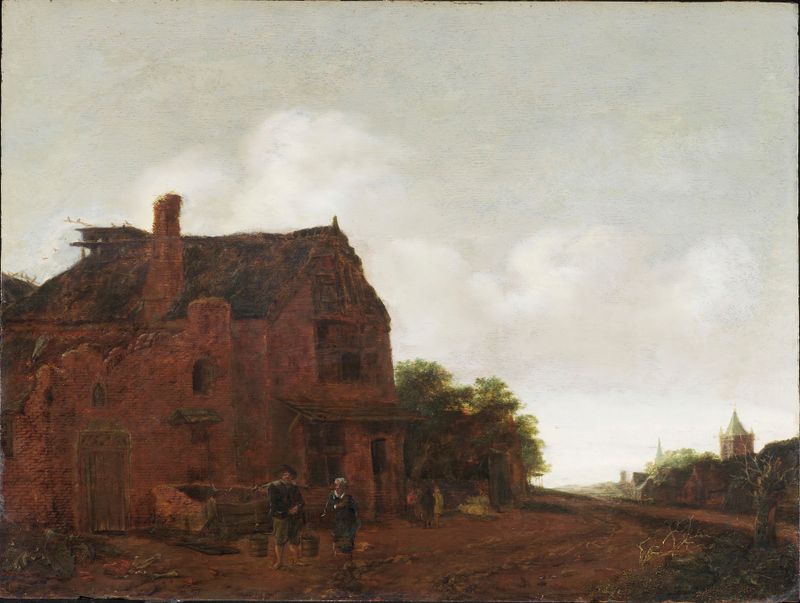
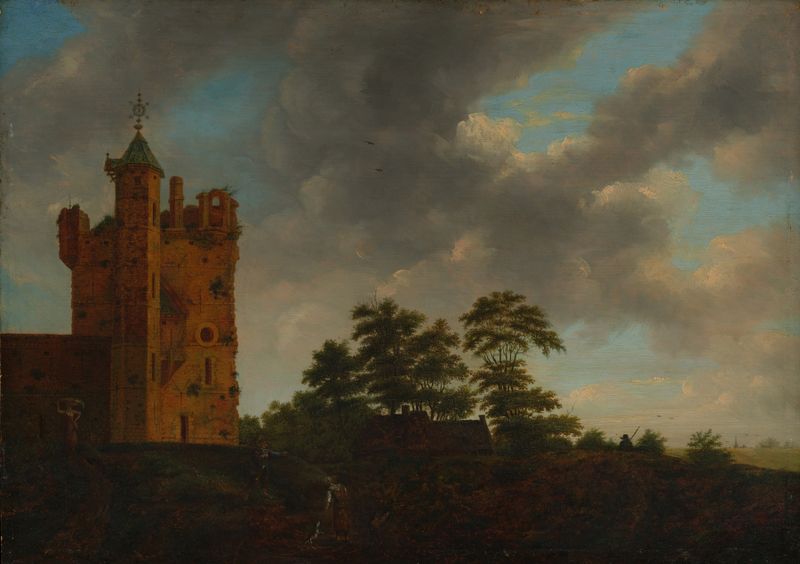
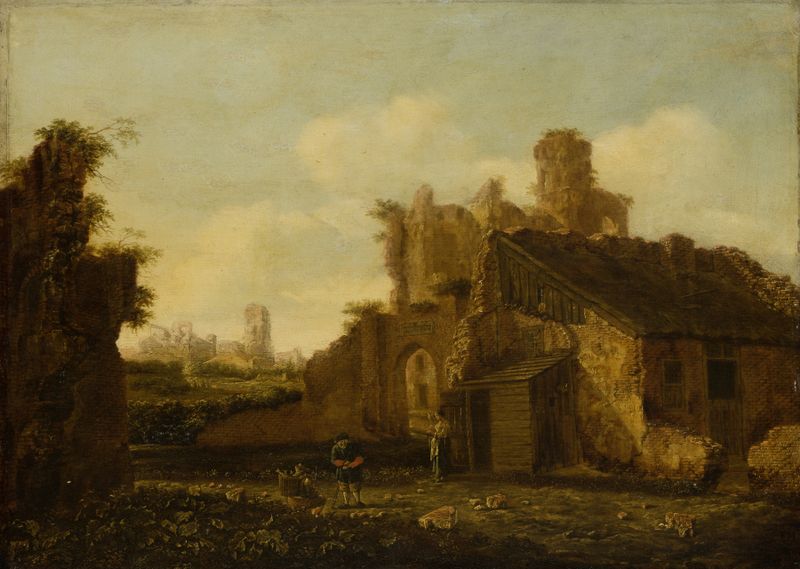
In the quiet realm of dreams, moments unfold like petals of a flower, each one steeped in the essence of longing and nostalgia. The Watering Place invites the viewer into a world where nature and humanity intersect, whispering tales of connection and solitude. Look closely at the gentle curve of the stream, where figures gather, their silhouettes softened by the dappled light filtering through the trees. Notice the harmony of muted greens and earthy browns, the colors coalescing into a serene tableau that envelops the scene.
The careful placement of each figure along the bank draws the eye, guiding us through the tranquil choreography of daily life, while the painter’s delicate strokes breathe life into the water’s surface, evoking a sense of movement and fluidity. In this artwork, contrasts reveal deeper stories: the stillness of the water against the dynamic gestures of the figures, the balance between nature's wildness and human intent. Each face carries its own story, illustrating the interplay between communal purpose and individual reflection. The serene atmosphere holds an undercurrent of melancholy—a reminder of moments lost, the ebb and flow of existence captured in time. Created between 1650 and 1700, The Watering Place emerged during a period of artistic exploration and change.
Emanuel Murant, influenced by the burgeoning Baroque movement, sought to depict not just the physical world but the emotional landscape of his subjects. This era was marked by a fascination with light and nature, and Murant's work reflects both the cultural shifts in art and his personal journey as an artist navigating profound transformations in society.