
The Feast Given by Joseph for His Brothers — History & Facts
What first catches the eye is the restless choreography of bodies and glances, as if the entire scene is caught in a single, charged moment of anticipation. The painter draws you into the heart of a grand banquet, where the interplay of light and shadow animates the crowded tables and soaring columns. Figures twist and lean, each gesture loaded with intent: a woman turns, her arm caught mid-motion as she serves, while others huddle in conversation or look warily toward the head of the table.
The architecture recedes into a deep, mysterious stairway, suggesting both the grandeur of the setting and the hidden tensions within. Every detail—the sweep of drapery, the gleam of vessels, the muscular backs of servants—serves to heighten the drama, pulling the viewer into the layered relationships at play. Created between 1550 and 1570, this work belongs to a world in which biblical stories and classical forms merged under the brush of artists like Agnolo Bronzino. In Renaissance Italy, such banquet scenes were more than decoration: they were statements of learning, power, and taste, often commissioned to adorn the walls of palaces or private chapels.
The Walters Art Museum now houses this painting, a testament to the era’s fascination with narrative complexity and theatrical display. While the specifics of its early journey remain obscure, the painting’s style—its sculpted bodies, its grand architecture—places it firmly within the sophisticated circles of mid-sixteenth-century Florence. The longer you look, the more the figures seem to whisper secrets from a world where every gesture mattered.
More Artworks by Agnolo Bronzino

Eleonora Of Toledo
Agnolo Bronzino
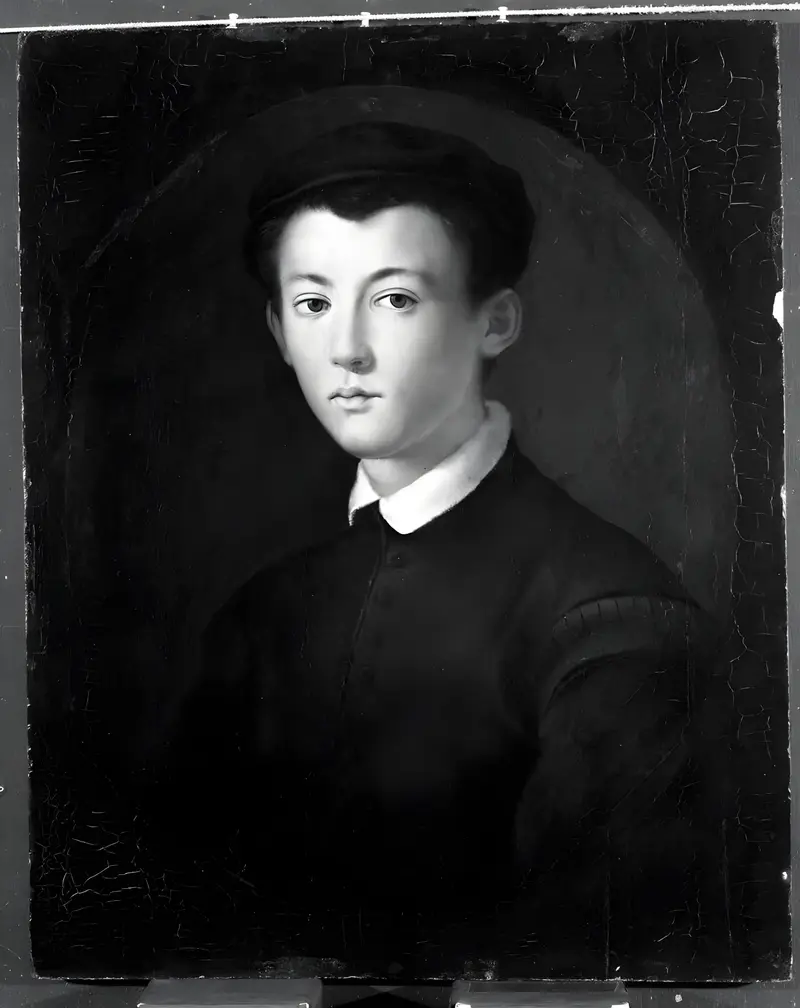
Portrait of a Young Man
Agnolo Bronzino
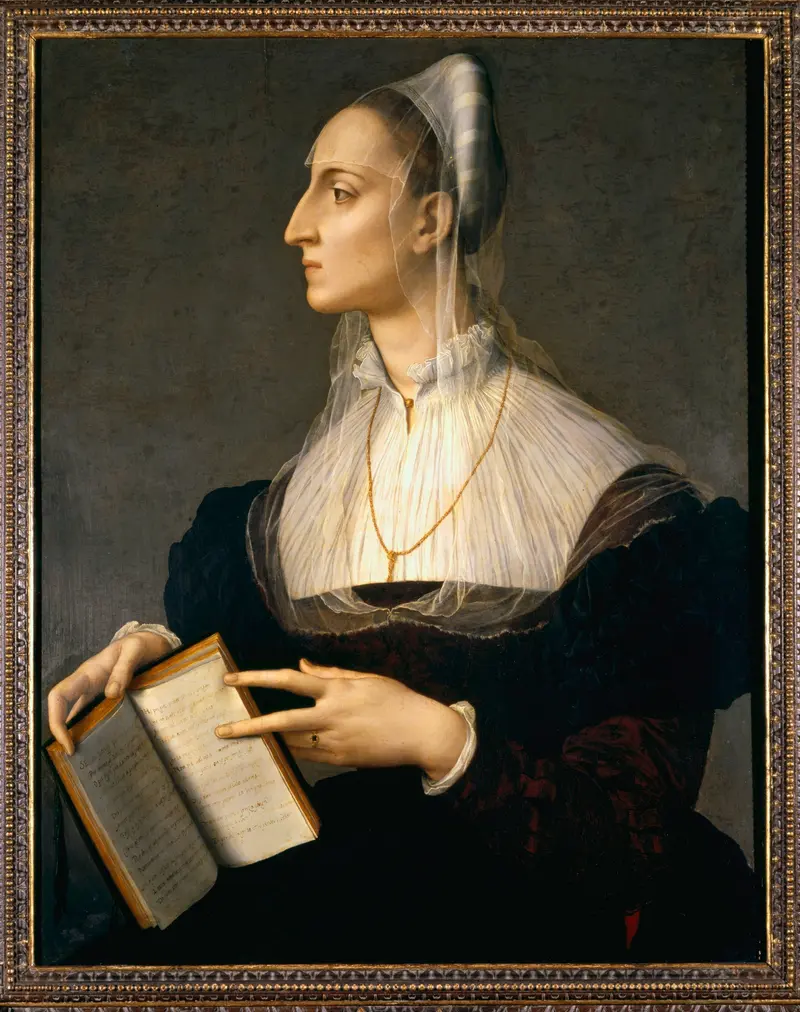
Portrait Of Laura Battiferri
Agnolo Bronzino
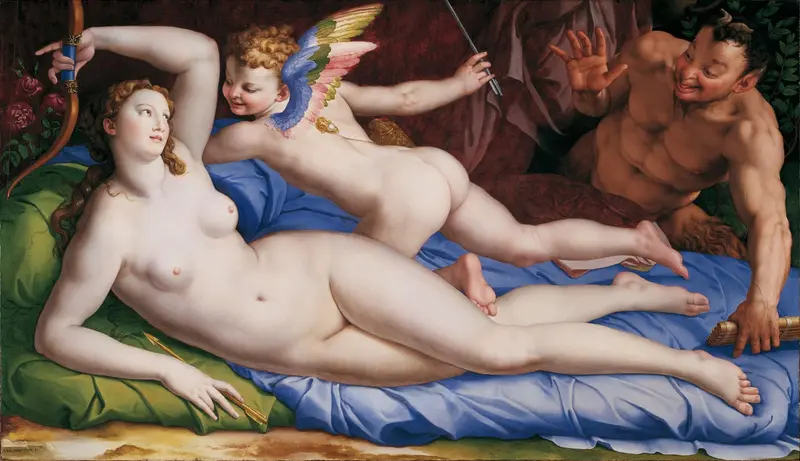
Venus, Cupid And Satyr
Agnolo Bronzino
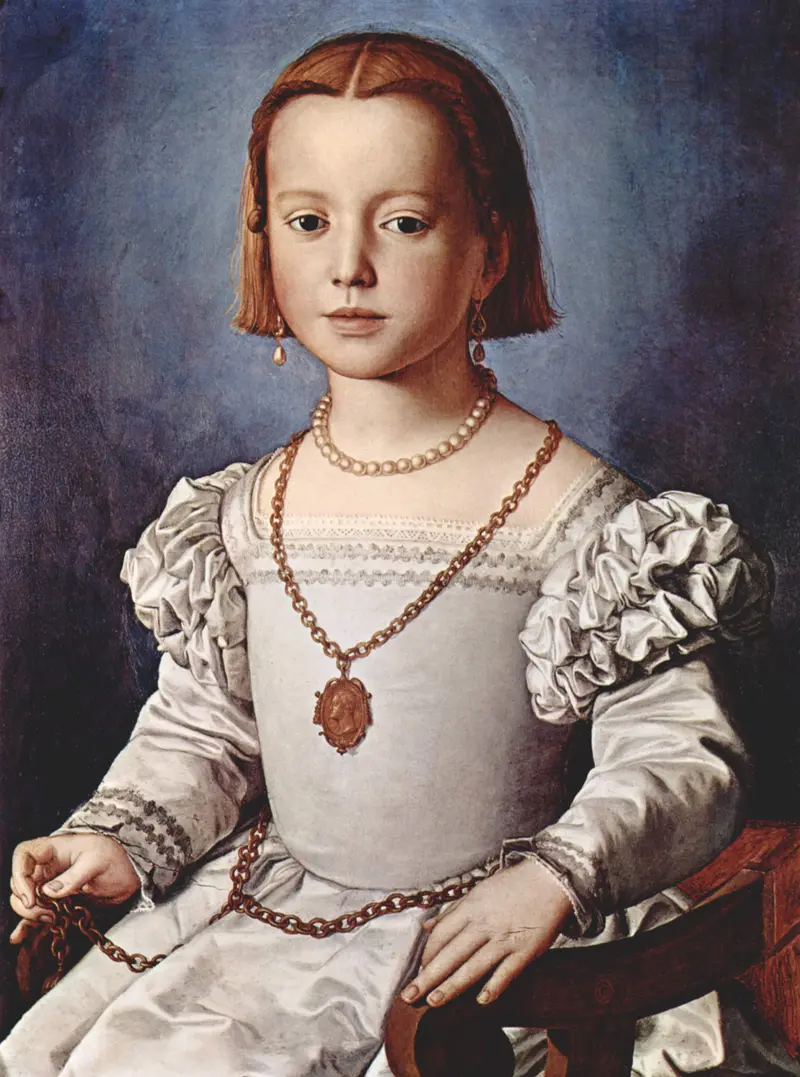
Bia Di Cosimo De‘ Medici
Agnolo Bronzino
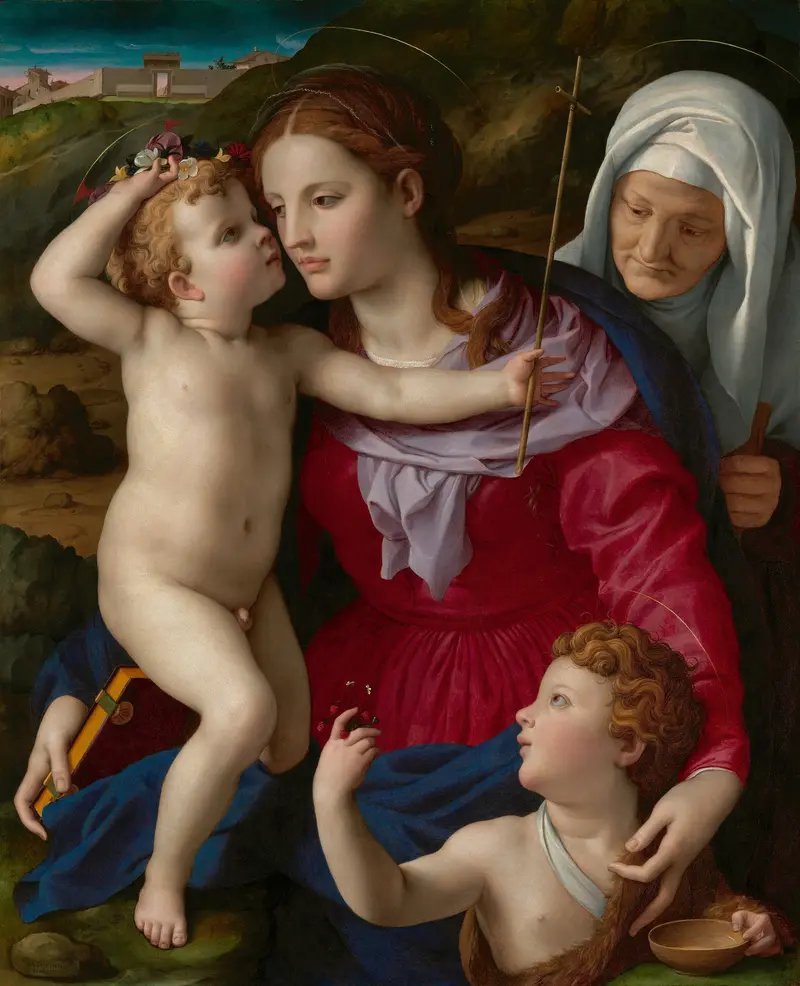
Virgin and Child with Saint Elizabeth and Saint John the Baptist
Agnolo Bronzino
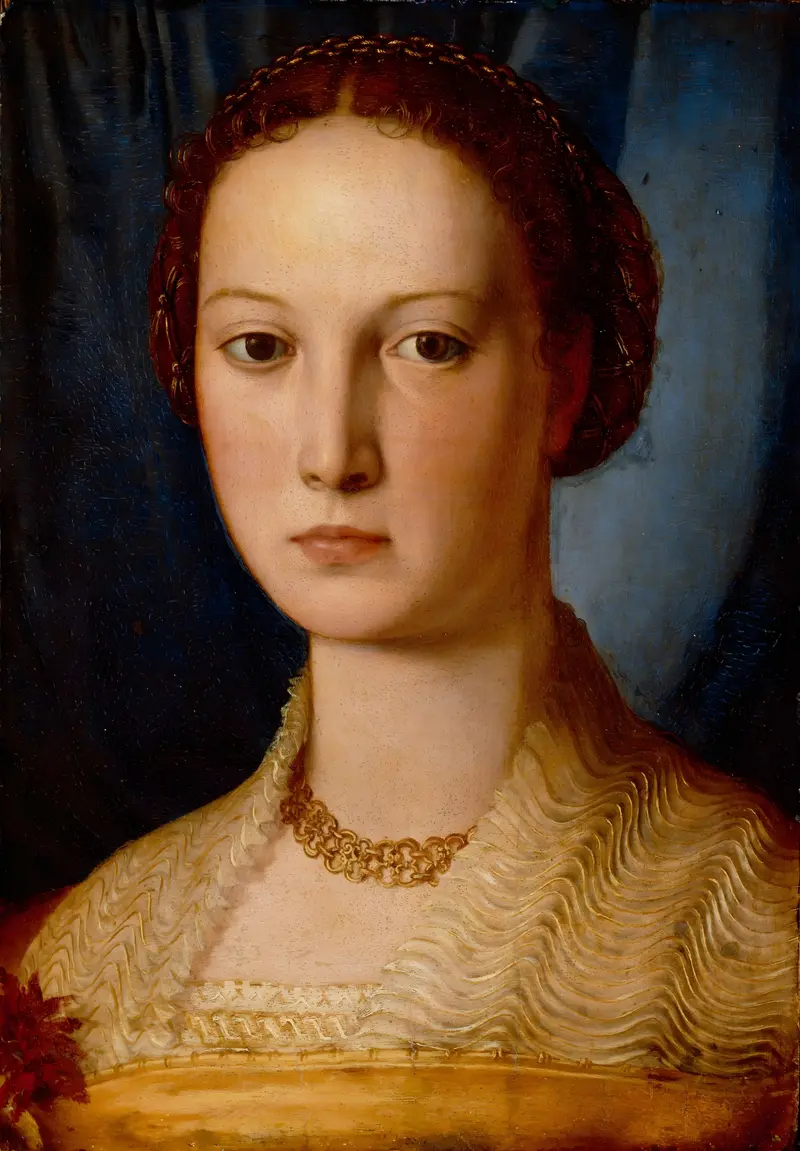
Costanza Da Sommaia
Agnolo Bronzino
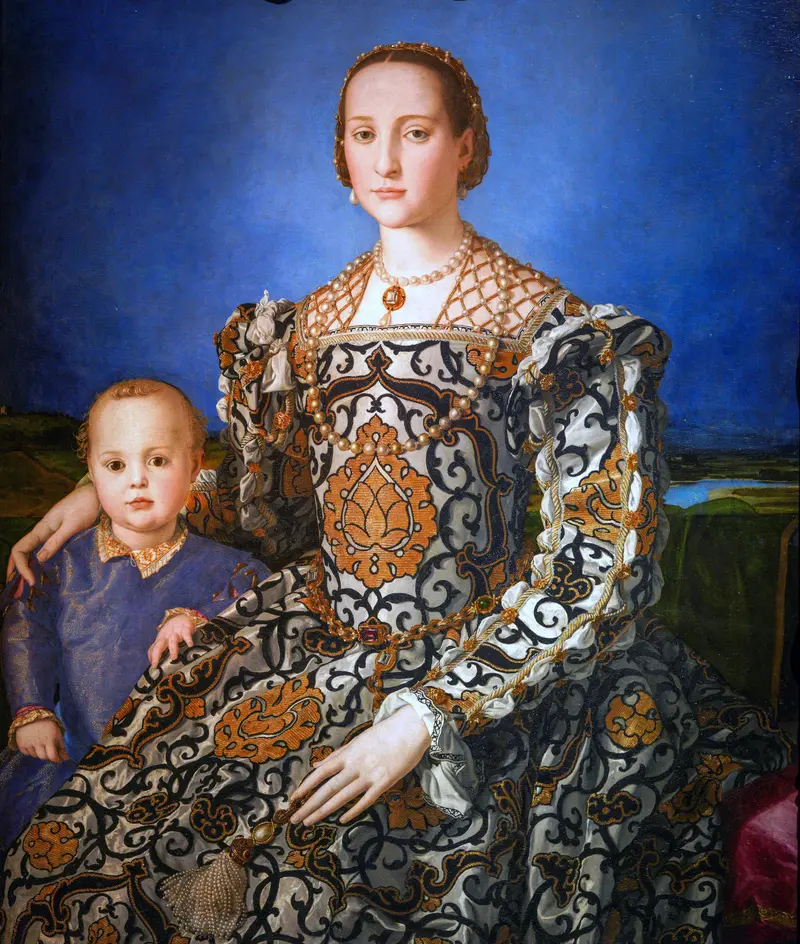
Portrait of Eleanor of Toledo with Her Son Giovanni de’ Medici
Agnolo Bronzino
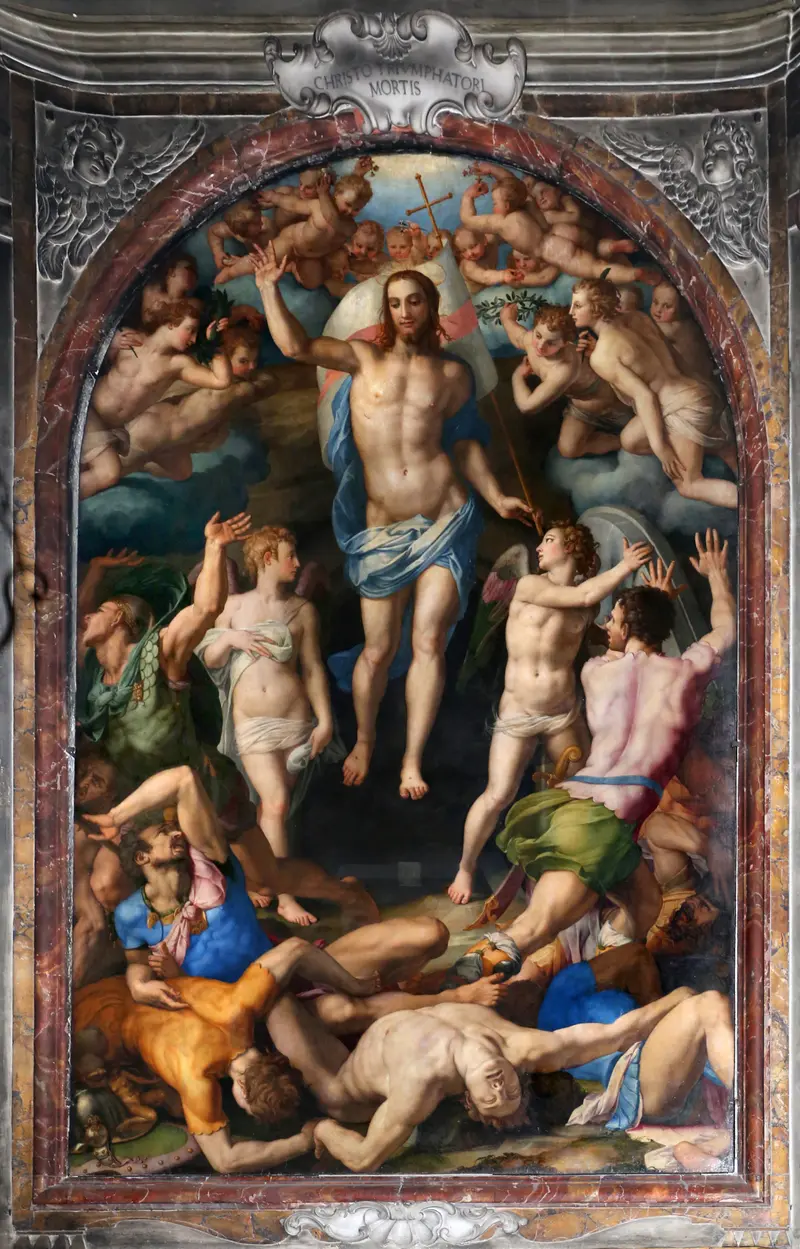
Resurrection Of Christ
Agnolo Bronzino
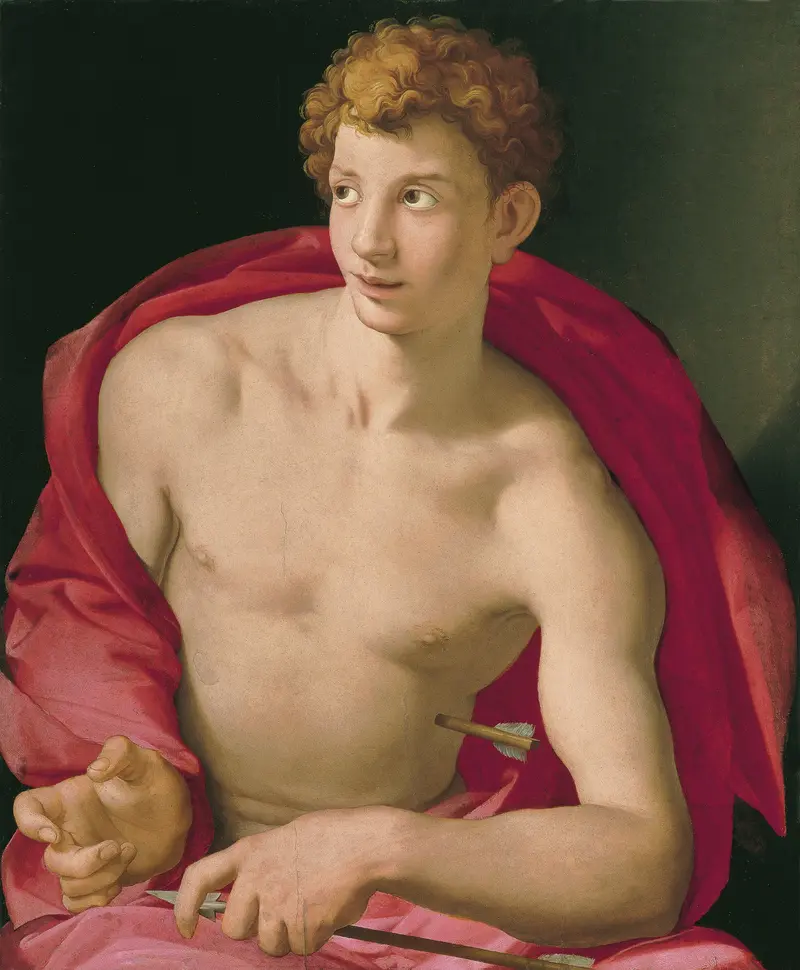
Saint Sebastian
Agnolo Bronzino





