
The Fields, Plateau Of Red Cross — History & Facts
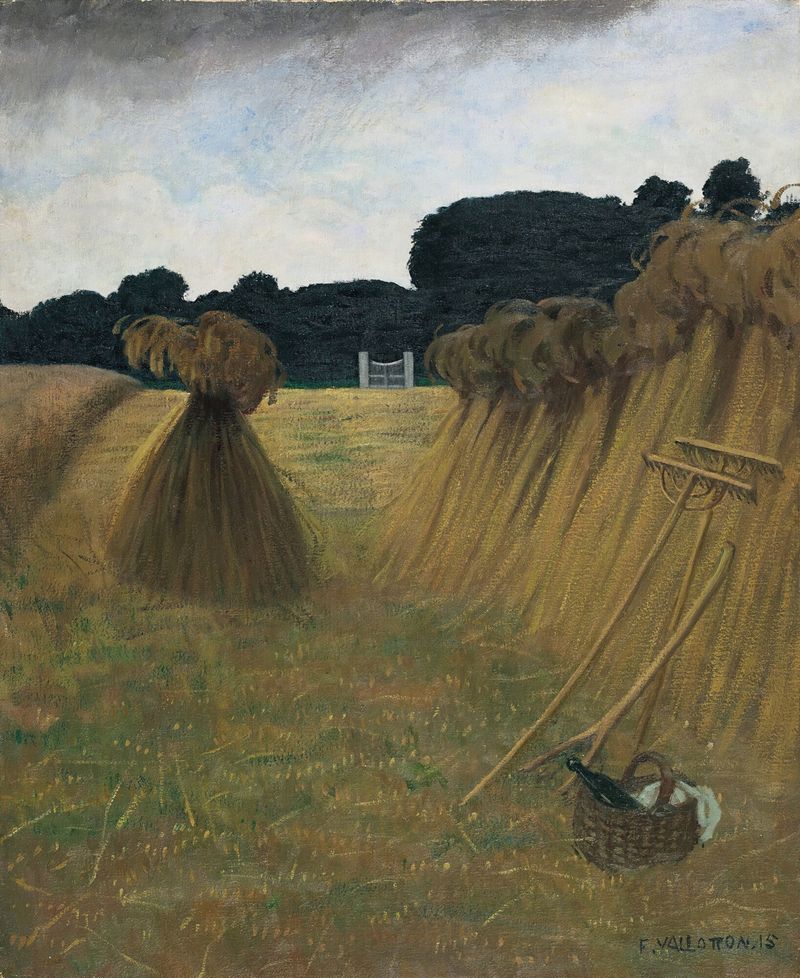
What if silence could speak through light? In The Fields, Vallotton captures an ethereal stillness, inviting us to contemplate the balance between nature and artistry. Look to the foreground, where patches of golden wheat sway gently under a soft sky. The light bathes the landscape, creating a harmonious blend of color that pulls the eye across the canvas, from the shimmering fields to the distant hills. Notice how the brushstrokes are both deliberate and fluid, evoking a sense of rhythm within the composition, while the subtle contrast between the warm yellows and the cool blues enhances the peaceful atmosphere. Beneath the surface, a deeper tension unfolds.
The vastness of the fields seems to whisper stories of labor and harvest, yet the tranquility is almost unsettling, stirring reflections on the fragility of life itself. The interplay of light and shadow suggests an unseen duality—life teeming beneath the calm exterior, echoing the delicate balance of human existence within nature’s embrace. Created in 1914, Vallotton painted The Fields in a period marked by rising tensions in Europe, just before the outbreak of World War I. Living in Paris at that time, he was immersed in a dynamic art scene, influenced by both Impressionism and Post-Impressionism.
This work stands as a testament to his ability to meld emotional depth with formal simplicity, reflecting a world on the verge of change while celebrating the serene beauty of the landscape.
More Artworks by Félix Vallotton
Browse all →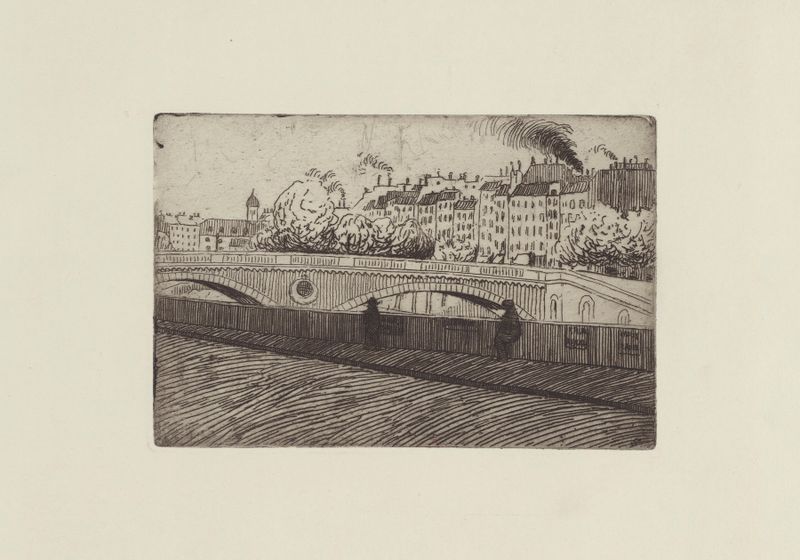
Le pont St Michel
Félix Vallotton
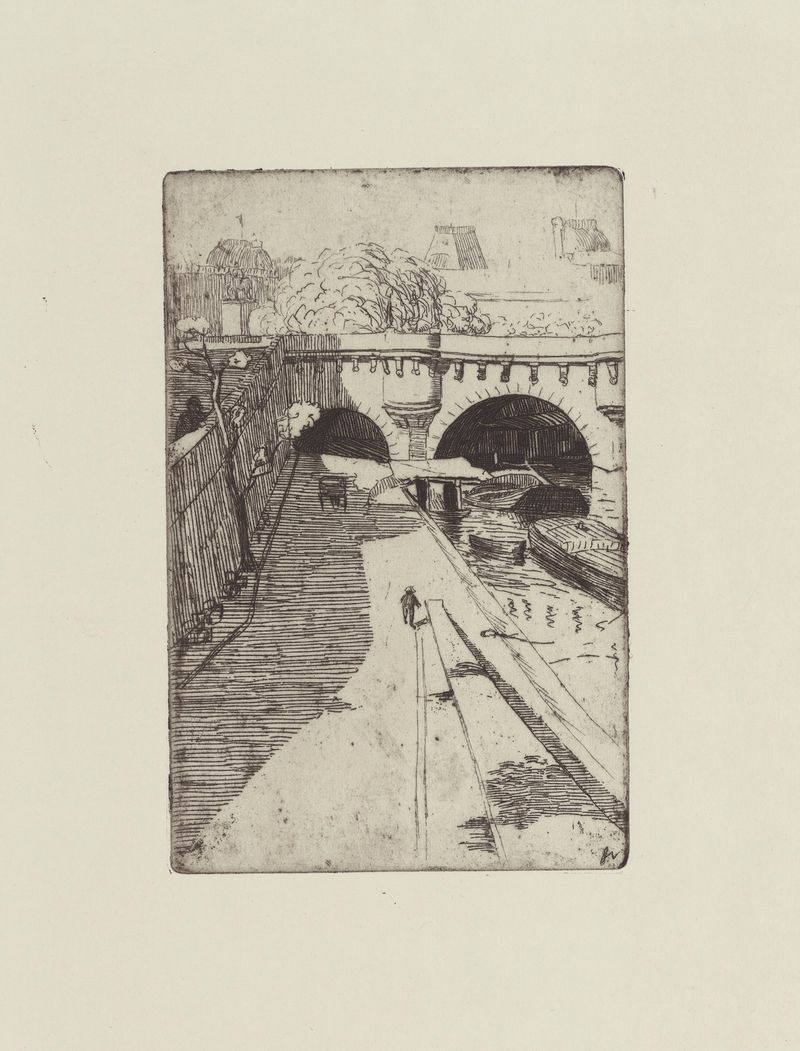
Le Vert-Galant
Félix Vallotton
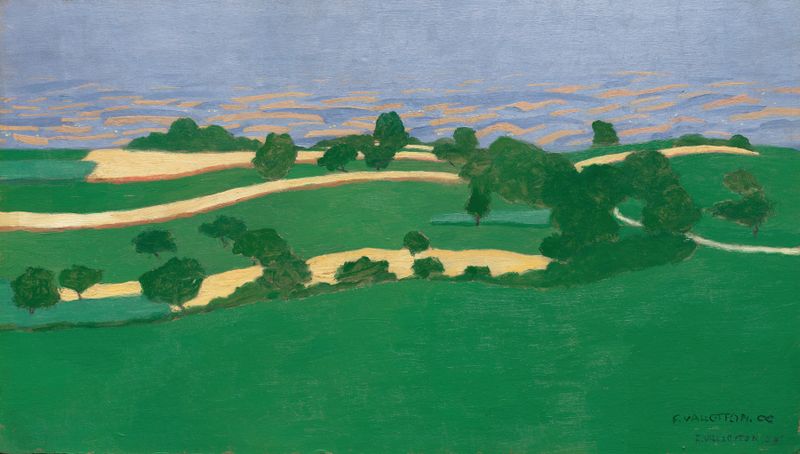
Corn Fields
Félix Vallotton
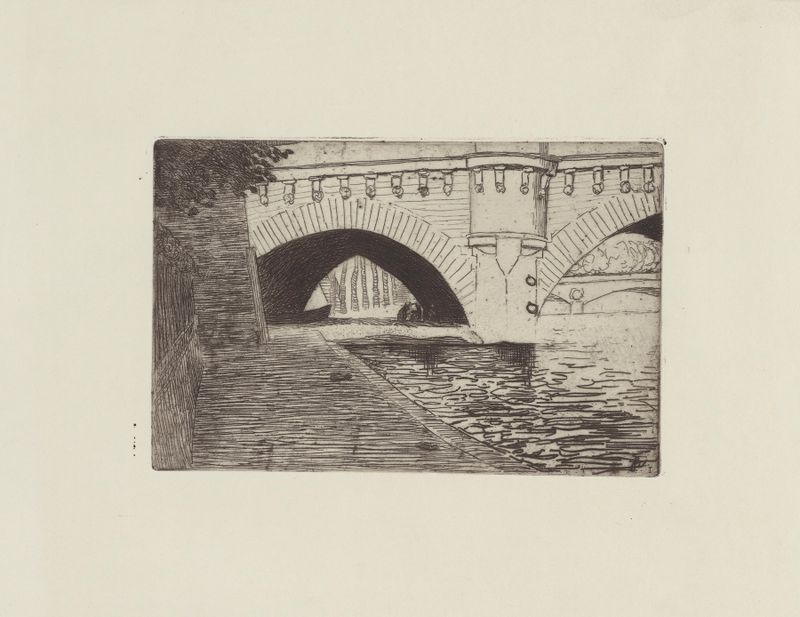
Le Pont-Neuf et le pont St Michel
Félix Vallotton
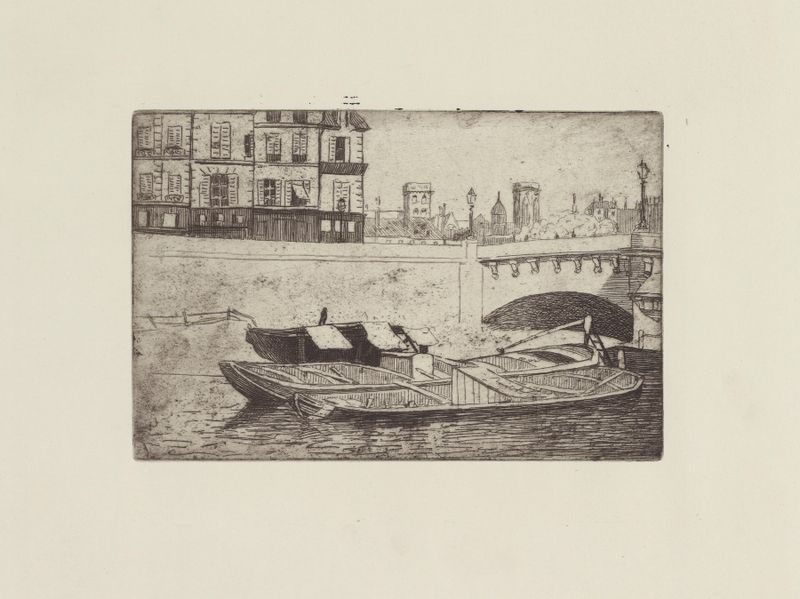
Péniches au Pont-Neuf
Félix Vallotton
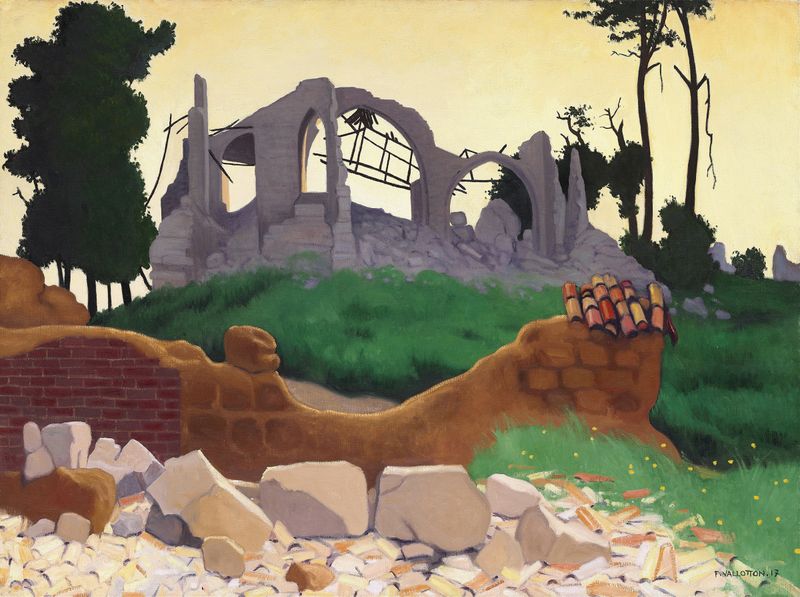
The Church of Souain
Félix Vallotton
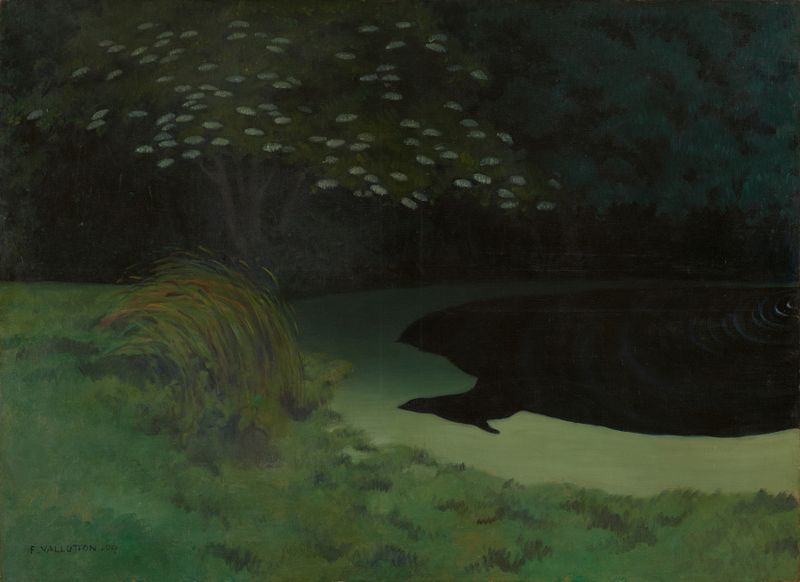
The Pond (Honfleur)
Félix Vallotton
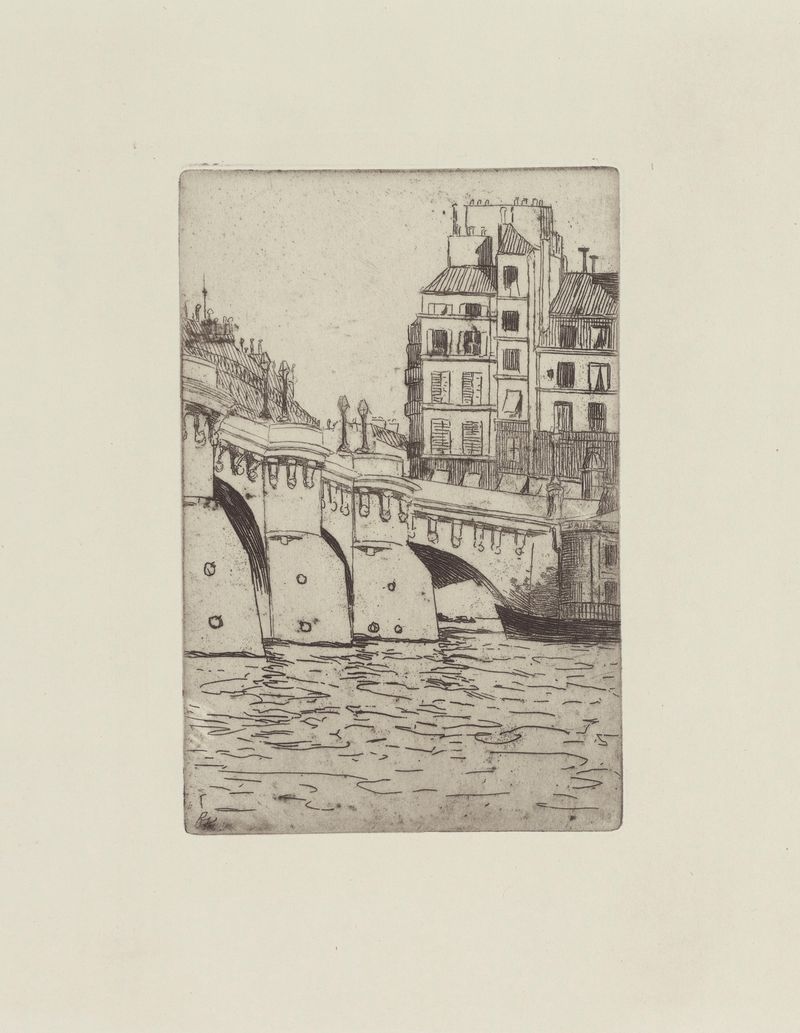
Les bains du Pont-Neuf
Félix Vallotton
The Sheaves
Félix Vallotton
Les Grands Arbres, environs d’Honfleur
Félix Vallotton





