
The flight into Egypt: a night piece — History & Facts
What secret hides in the quiet of the canvas? The soft embrace of darkness around a journey unfolds in whispers of longing and hope, as shadows intertwine with the glow of a faint light illuminating a sacred escape. Look to the left, where the silhouette of a weary donkey stands, its form emerging gently from the deep hues of night. Notice how the warm light falls upon the figures of Mary and Joseph, creating a soft halo effect that draws the eye to their expressions of determination and tenderness. The intricate play of chiaroscuro enhances the emotional weight, transforming each brushstroke into a narrative thread that connects viewer to scene. Deeper insight reveals the palpable tension of departure—a yearning for safety contrasted against the fear of the unknown.
The flowing drapery of Mary’s garment suggests movement, while the encroaching darkness represents the dangers lurking just outside the frame. The serene gaze of Joseph holds a promise of protection, yet his tension, gently conveyed through clenched hands, hints at the struggle to navigate this perilous journey with their child. In 1651, Rembrandt was deeply engaged in his exploration of light and shadow, crafting a unique language that spoke to the human experience. Living in Amsterdam, he faced personal hardships, which added a layer of complexity to his works.
Amidst the vibrant art scene of the Dutch Golden Age, The flight into Egypt: a night piece emerges as a poignant reminder of resilience, reflecting the artist’s profound understanding of emotion through the interplay of darkness and illumination.
More Artworks by Rembrandt van Rijn
Browse all →
The Night Watch Militia Company of District II under the Command of Captain Frans Banninck Cocq
Rembrandt van Rijn

The Return of the Prodigal Son
Rembrandt van Rijn

The Hundred Guilder Print: the figures leaning on the wall in the centre left
Rembrandt van Rijn

The Hundred Guilder Print: the central piece with Christ preaching, the plate arched
Rembrandt van Rijn

Isaac and Rebecca, Known as ‘The Jewish Bride’
Rembrandt van Rijn
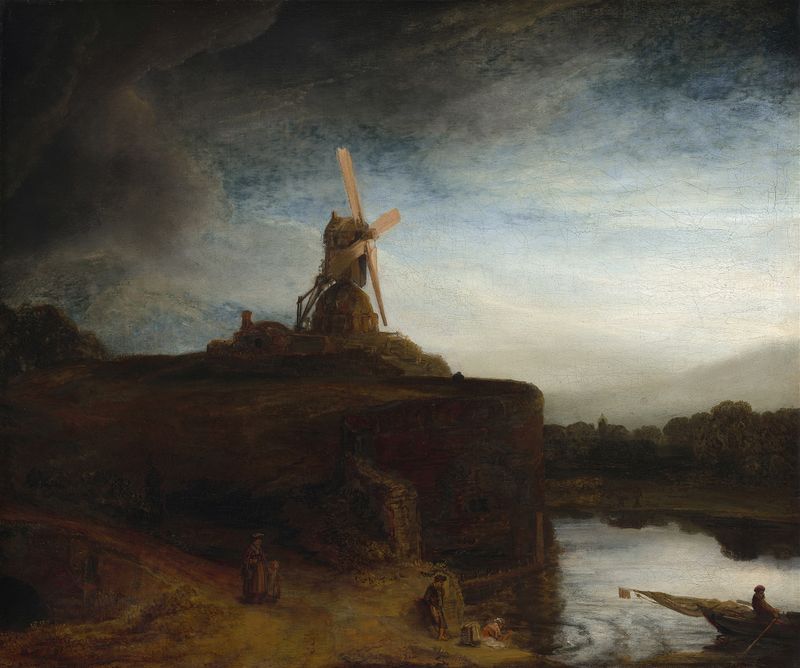
The Mill
Rembrandt van Rijn

The Sampling Officials of the Amsterdam Drapers’ Guild, Known as ‘The Syndics’
Rembrandt van Rijn

The return of the prodigal son
Rembrandt van Rijn
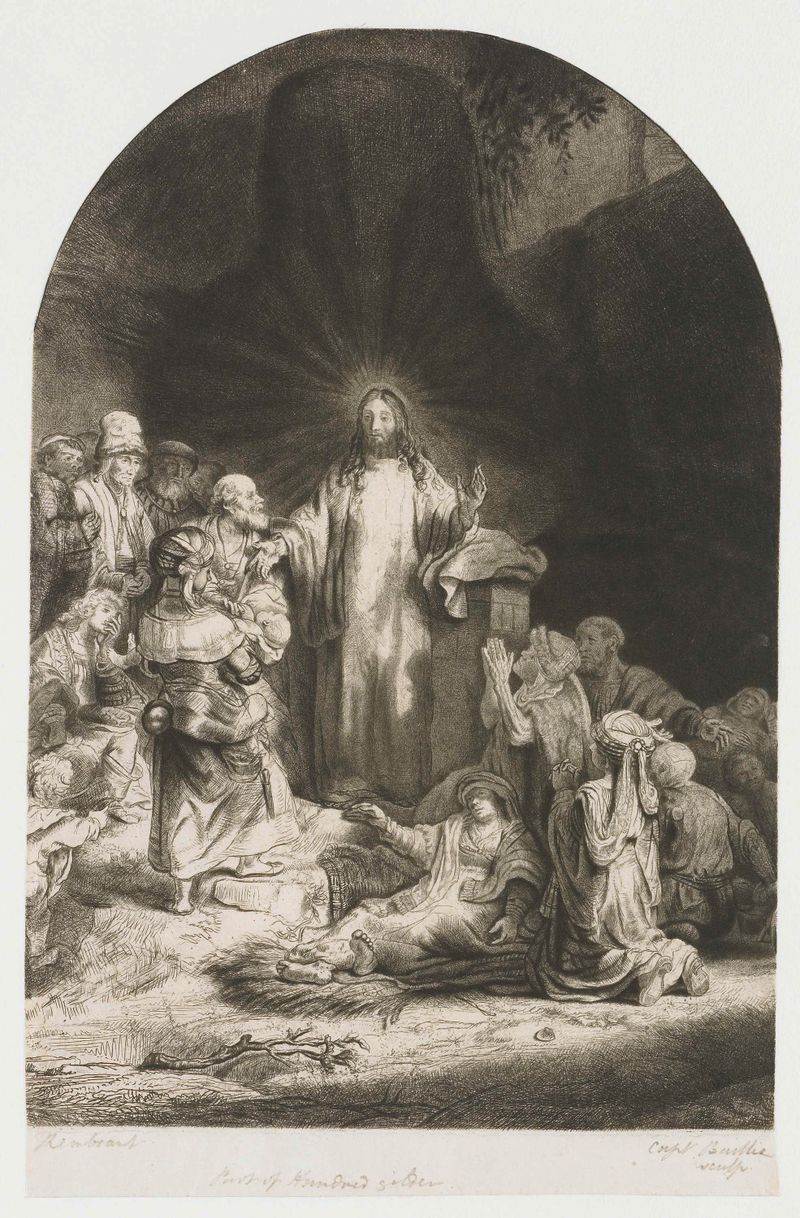
The Hundred Guilder Print: the central piece with Christ preaching, the plate arched
Rembrandt van Rijn

The Hundred Guilder Print: the man seen on the back in the lower left corner
Rembrandt van Rijn
More Religious Art
Browse all →The Return of the Prodigal Son
Rembrandt van Rijn

The Garden of Earthly Delights
El Bosco

Count Orgaz’ funeral
El Greco
The Hundred Guilder Print: the central piece with Christ preaching, the plate arched
Rembrandt van Rijn

The Descent from the Cross
Rogier van der Weyden
The return of the prodigal son
Rembrandt van Rijn