
The flight into Egypt: a night piece — History & Facts
Where does light end, and longing begin? This question resonates in the haunting embrace of darkness and illumination in The Flight into Egypt: A Night Piece. Focus on the tender interaction between the figures bathed in a soft glow that pierces the surrounding shadows. The illuminated faces—Mary, Joseph, and the child—are drawn with a gentle, almost ethereal quality, contrasting sharply against the deep, velvety black of the night. Notice how the light falls upon their weary expressions, revealing both hope and despair as they navigate their perilous journey.
The composition dynamically pushes the figures forward, a subtle diagonal leading the eye toward the serene yet elusive promise of dawn. The interplay of light and dark speaks of profound emotional tensions. The glowing figures symbolize faith and resilience amidst uncertainty, while the looming shadows suggest fears that lurk in the corners of their journey. The surrounding environment—a silhouette of trees and a distant landscape—evokes a world shrouded in mystery, reflecting the decay of the familiar as they venture into the unknown.
These contrasts enhance the sense of urgency in their flight, capturing a moment where divine protection clashes with human vulnerability. In 1651, Rembrandt painted this piece while living in Amsterdam, a city thriving alongside a flourishing art scene. However, his personal life was marked by losses, including the death of his beloved son. Amidst the changing tides of Dutch painting, he continued to explore biblical themes, delving into the depths of human emotion and spirituality, solidifying his legacy as a master of chiaroscuro and storytelling.
More Artworks by Rembrandt van Rijn
Browse all →
The Night Watch Militia Company of District II under the Command of Captain Frans Banninck Cocq
Rembrandt van Rijn

The Return of the Prodigal Son
Rembrandt van Rijn

The Hundred Guilder Print: the figures leaning on the wall in the centre left
Rembrandt van Rijn

The Hundred Guilder Print: the central piece with Christ preaching, the plate arched
Rembrandt van Rijn

Isaac and Rebecca, Known as ‘The Jewish Bride’
Rembrandt van Rijn
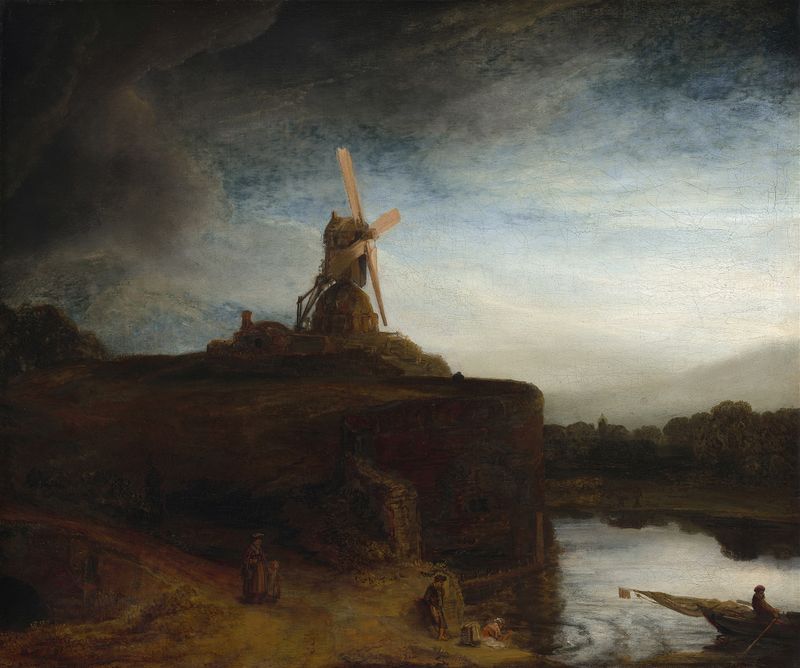
The Mill
Rembrandt van Rijn

The Sampling Officials of the Amsterdam Drapers’ Guild, Known as ‘The Syndics’
Rembrandt van Rijn

The return of the prodigal son
Rembrandt van Rijn
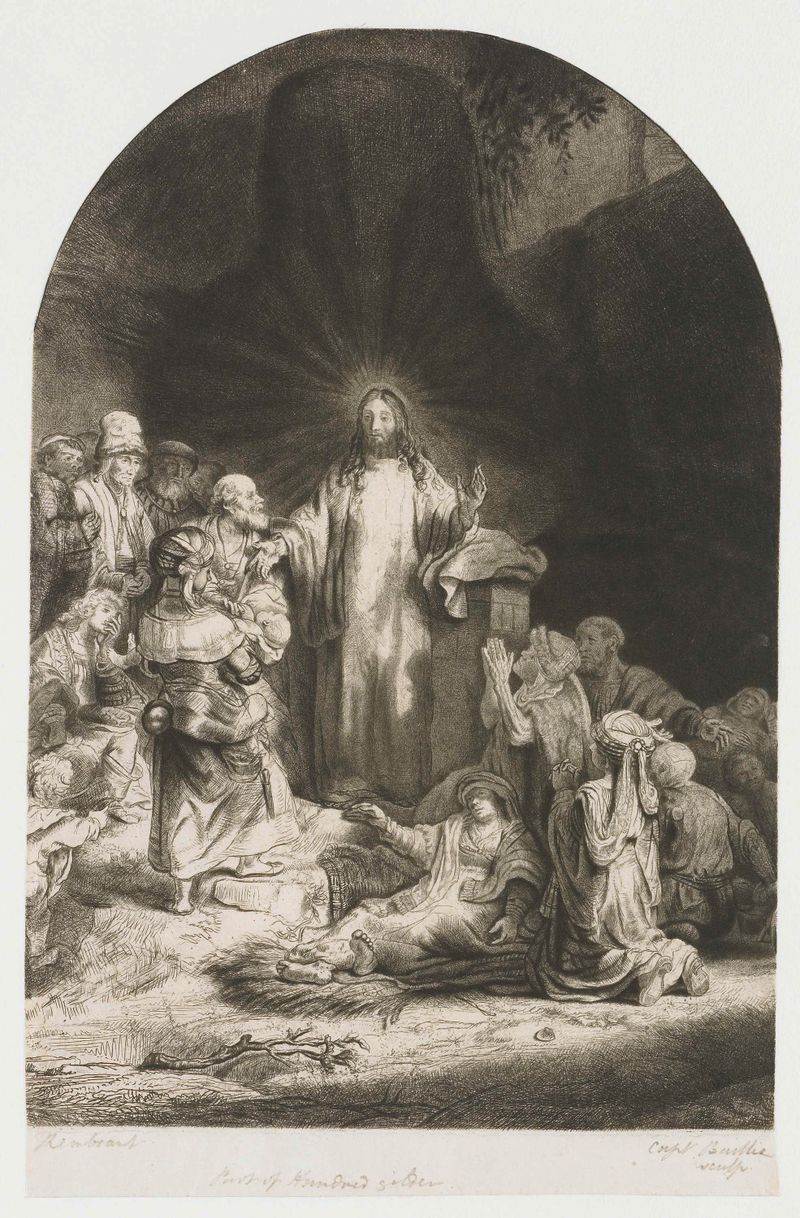
The Hundred Guilder Print: the central piece with Christ preaching, the plate arched
Rembrandt van Rijn

The Hundred Guilder Print: the man seen on the back in the lower left corner
Rembrandt van Rijn
More Religious Art
Browse all →The Return of the Prodigal Son
Rembrandt van Rijn

The Garden of Earthly Delights
El Bosco

Count Orgaz’ funeral
El Greco
The Hundred Guilder Print: the central piece with Christ preaching, the plate arched
Rembrandt van Rijn

The Descent from the Cross
Rogier van der Weyden
The return of the prodigal son
Rembrandt van Rijn