
The flight into Egypt: a night piece — History & Facts
In the delicate dance between light and shadow lies the true essence of balance, a whisper of serenity amid chaos. Focus first on the luminous figures at the center: Mary and Joseph, cradling the child, bathed in a warm glow that contrasts starkly with the deep, enveloping darkness surrounding them. The chiaroscuro technique draws your eyes inward, creating a visual sanctuary within the night. The gentle expression on Mary’s face is illuminated, suggesting both tenderness and fortitude, while the gentle, protective posture of Joseph reinforces the intimacy of their sacred journey. Yet, beneath this serene surface, the painting pulsates with emotional tension.
The stark juxtaposition of light and shadow symbolizes the struggles they face, reflecting the need for hope against despair. The dark figures lurking in the background hint at the dangers that shadow their path, embodying the uncertainties of their flight. This masterful interplay invites contemplation on the balance between safety and fear, faith and doubt, a poignant reminder of the trials inherent in pursuit of sanctuary. Rembrandt created this work in 1651, during a time when his personal life was marked by profound loss and financial struggles.
In a world teetering on the brink of change, where the Baroque style was giving way to new forms of expression, he sought to distill complex emotions into his art. The Flight into Egypt: A Night Piece emerges as a testament to his ability to capture the delicate equilibrium between light and dark, both artistically and existentially.
More Artworks by Rembrandt van Rijn
Browse all →
The Night Watch Militia Company of District II under the Command of Captain Frans Banninck Cocq
Rembrandt van Rijn

The Return of the Prodigal Son
Rembrandt van Rijn

The Hundred Guilder Print: the figures leaning on the wall in the centre left
Rembrandt van Rijn

The Hundred Guilder Print: the central piece with Christ preaching, the plate arched
Rembrandt van Rijn

Isaac and Rebecca, Known as ‘The Jewish Bride’
Rembrandt van Rijn
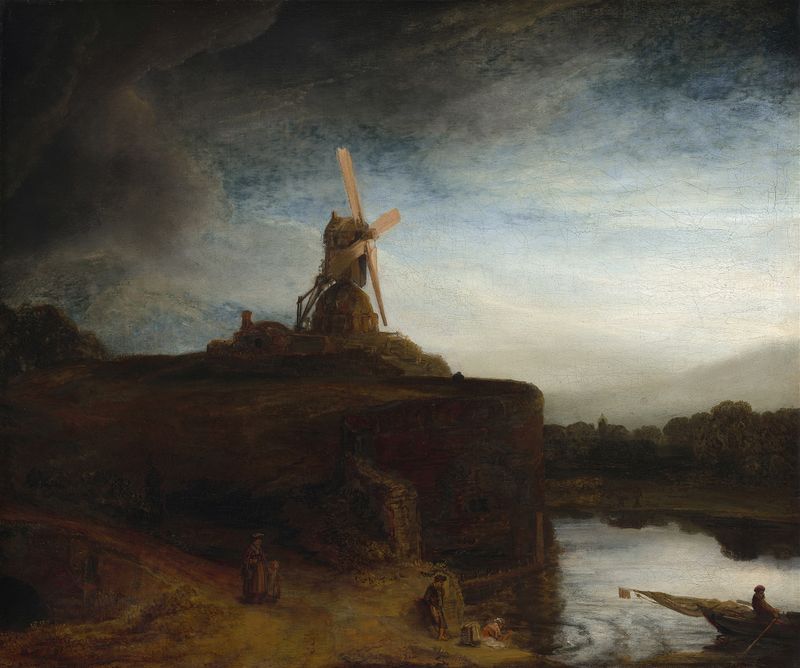
The Mill
Rembrandt van Rijn

The Sampling Officials of the Amsterdam Drapers’ Guild, Known as ‘The Syndics’
Rembrandt van Rijn

The return of the prodigal son
Rembrandt van Rijn
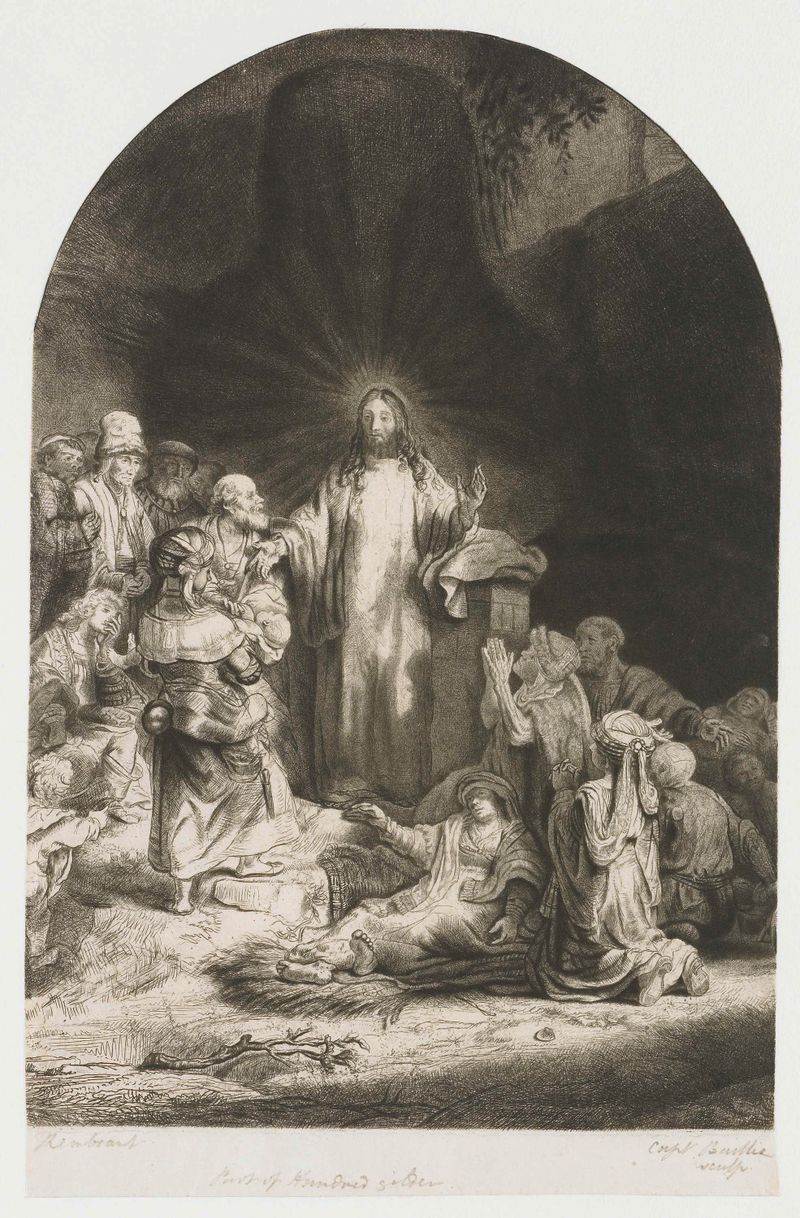
The Hundred Guilder Print: the central piece with Christ preaching, the plate arched
Rembrandt van Rijn

The Hundred Guilder Print: the man seen on the back in the lower left corner
Rembrandt van Rijn
More Religious Art
Browse all →The Return of the Prodigal Son
Rembrandt van Rijn

The Garden of Earthly Delights
El Bosco

Count Orgaz’ funeral
El Greco
The Hundred Guilder Print: the central piece with Christ preaching, the plate arched
Rembrandt van Rijn

The Descent from the Cross
Rogier van der Weyden
The return of the prodigal son
Rembrandt van Rijn