
The flight into Egypt: a sketch: St Joseph — History & Facts
In The Flight into Egypt: A Sketch: St. Joseph, a yearning for sanctuary and hope is captured, echoing the timeless struggle for refuge. Look to the left at the figure of St. Joseph, cloaked in muted browns that blend seamlessly with the earthy background, evoking a sense of warmth and protection.
The delicate strokes of Rembrandt's brushwork reveal a tenderness in the saint's expression, as he gazes sideways, absorbed in thought. The light subtly highlights the contours of his face, imbuing the scene with a serene yet poignant atmosphere, drawing us into Joseph’s silent contemplation. Beneath the surface, a deeper tension brews. The urgency of the journey is palpable, reflected in the shadowy figures that loom behind — almost as if the challenges of their path are ever-present.
The juxtaposition between the serene figure of Joseph and the indistinct shadows represents the contrast between hope and despair, capturing the emotional weight of seeking safety. Each stroke conveys a longing that resonates beyond the canvas, hinting at the universal quest for solace. Rembrandt created this work around 1628, during a period when he was refining his mastery of chiaroscuro and emotional expression. Living in Leiden, he was emerging as a prominent figure in the Dutch art scene, grappling with personal and financial challenges while exploring themes of faith and humanity.
This sketch reflects not just biblical narrative, but the artist’s own exploration of the human condition, offering a glimpse into the emotional depths of his evolving style.
More Artworks by Rembrandt van Rijn
Browse all →
The Night Watch Militia Company of District II under the Command of Captain Frans Banninck Cocq
Rembrandt van Rijn

The Return of the Prodigal Son
Rembrandt van Rijn

The Hundred Guilder Print: the figures leaning on the wall in the centre left
Rembrandt van Rijn

The Hundred Guilder Print: the central piece with Christ preaching, the plate arched
Rembrandt van Rijn

Isaac and Rebecca, Known as ‘The Jewish Bride’
Rembrandt van Rijn
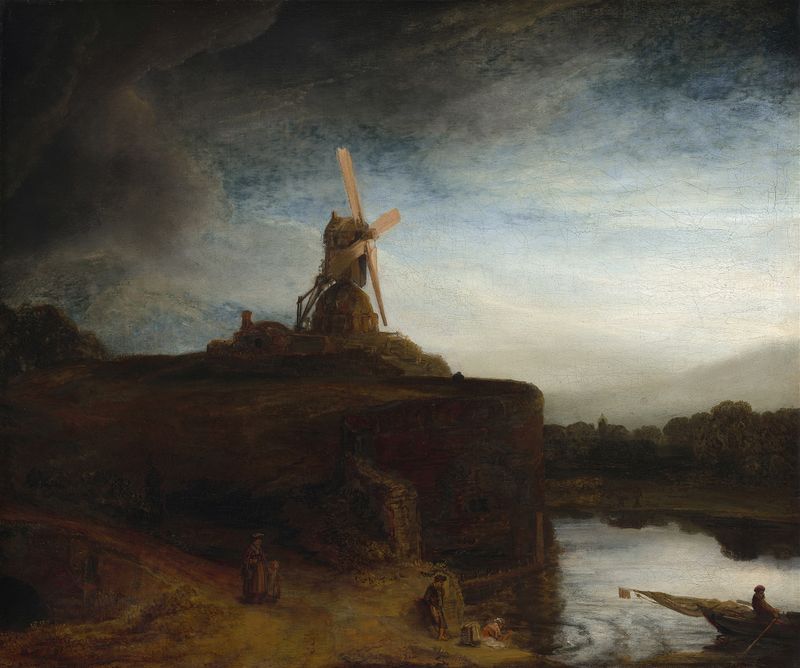
The Mill
Rembrandt van Rijn

The Sampling Officials of the Amsterdam Drapers’ Guild, Known as ‘The Syndics’
Rembrandt van Rijn

The return of the prodigal son
Rembrandt van Rijn
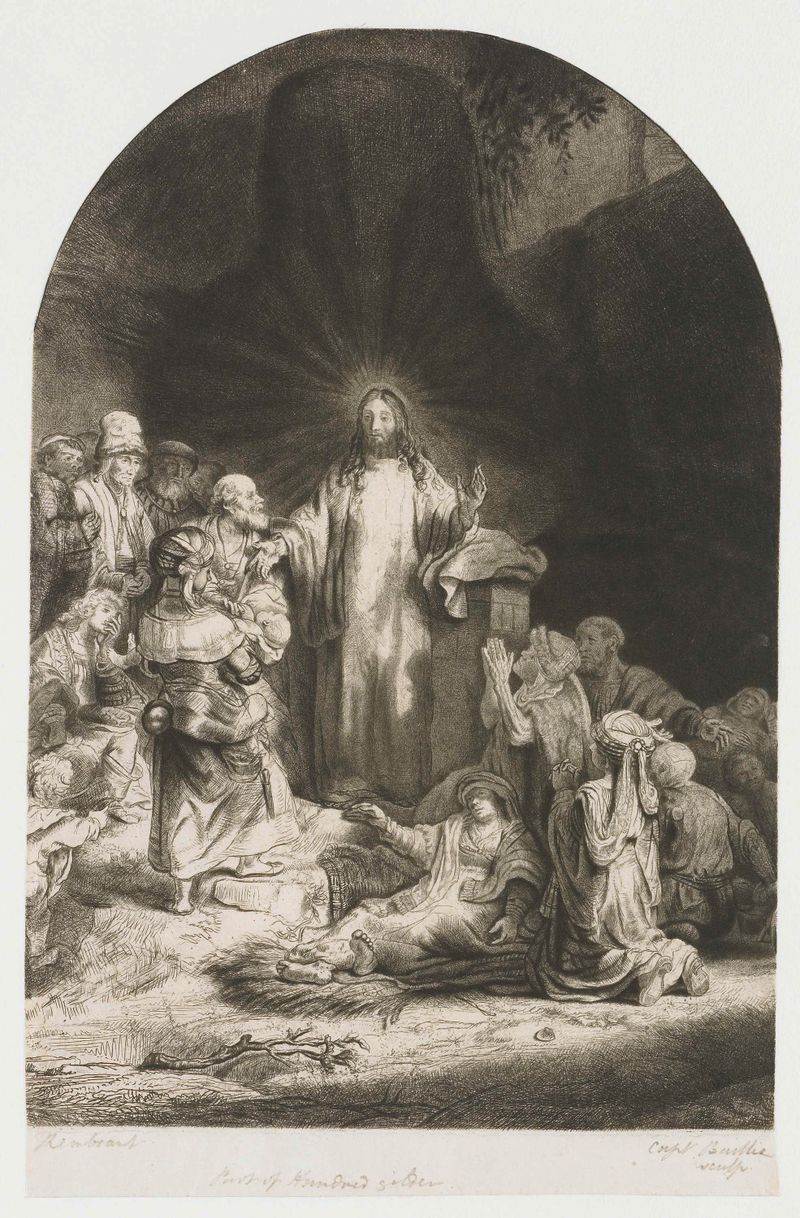
The Hundred Guilder Print: the central piece with Christ preaching, the plate arched
Rembrandt van Rijn

The Hundred Guilder Print: the man seen on the back in the lower left corner
Rembrandt van Rijn
More Religious Art
Browse all →The Return of the Prodigal Son
Rembrandt van Rijn

The Garden of Earthly Delights
El Bosco

Count Orgaz’ funeral
El Greco
The Hundred Guilder Print: the central piece with Christ preaching, the plate arched
Rembrandt van Rijn

The Descent from the Cross
Rogier van der Weyden
The return of the prodigal son
Rembrandt van Rijn