
The flight into Egypt: a sketch: St Joseph — History & Facts
In the delicate interplay between shadow and light, nostalgia breathes life into a moment that transcends time. As we gaze upon the artwork, a quiet yearning pervades the space, evoking memories of journeys long past and the longing for solace. Look to the left of the composition, where gentle strokes of sepia and umber outline St. Joseph.
His figure, robust yet tender, stands as a steadfast guardian. The light cascades softly, illuminating his face, capturing both determination and tenderness. Just beneath his protective arm, the suggestion of a child—perhaps the Holy Infant—emerges, swaddled in muted tones that hint at innocence.
The ethereal quality of the background contrasts with the solidity of the figures, inviting the viewer to reflect on the emotional weight of their journey. Amidst the soft textures, there lies an intricate tension between security and vulnerability. The father’s look is both watchful and contemplative, revealing the duality of his responsibilities. The subtle folds of Joseph’s garments suggest not only movement but the passage of time, hinting at the myriad trials they face.
Each brushstroke carries the weight of sacrifice, love, and faith, inviting us to contemplate the deep bonds that unite families in adversity. Rembrandt created this sketch around 1628, during a pivotal period in his early career while living in Leyden. The artist was exploring themes of light and shadow, laying the foundation for his later masterpieces. This work reflects not only his developing style but also a broader artistic movement that sought to convey deep emotional and spiritual truths through everyday scenes.
Amid the echoes of a changing world, he captures a moment of profound tenderness, forever etched in the hearts of those who encounter it.
More Artworks by Rembrandt van Rijn
Browse all →
The Night Watch Militia Company of District II under the Command of Captain Frans Banninck Cocq
Rembrandt van Rijn

The Return of the Prodigal Son
Rembrandt van Rijn

The Hundred Guilder Print: the figures leaning on the wall in the centre left
Rembrandt van Rijn

The Hundred Guilder Print: the central piece with Christ preaching, the plate arched
Rembrandt van Rijn

Isaac and Rebecca, Known as ‘The Jewish Bride’
Rembrandt van Rijn
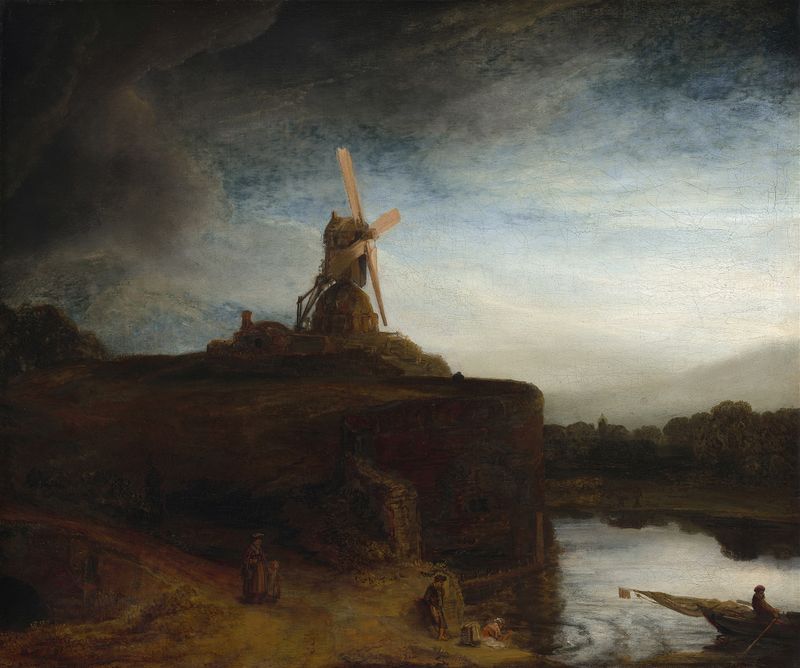
The Mill
Rembrandt van Rijn

The Sampling Officials of the Amsterdam Drapers’ Guild, Known as ‘The Syndics’
Rembrandt van Rijn

The return of the prodigal son
Rembrandt van Rijn
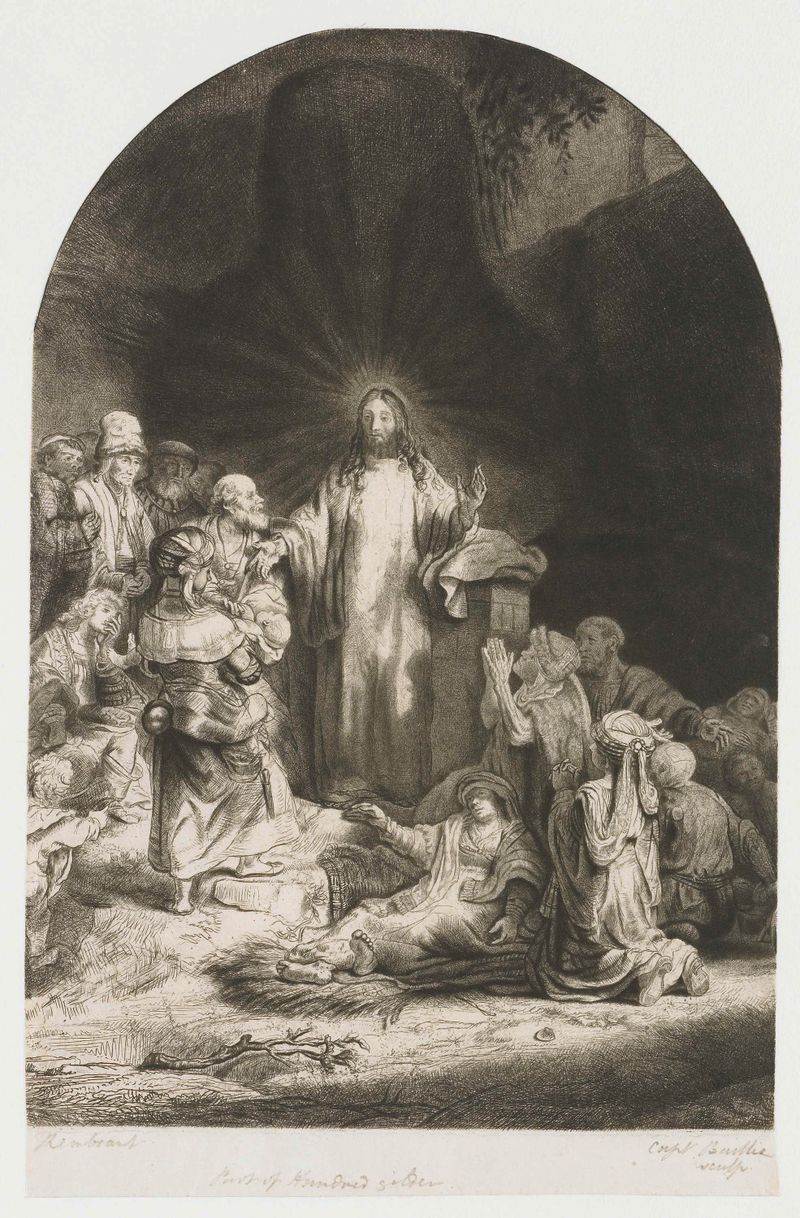
The Hundred Guilder Print: the central piece with Christ preaching, the plate arched
Rembrandt van Rijn

The Hundred Guilder Print: the man seen on the back in the lower left corner
Rembrandt van Rijn
More Religious Art
Browse all →The Return of the Prodigal Son
Rembrandt van Rijn

The Garden of Earthly Delights
El Bosco

Count Orgaz’ funeral
El Greco
The Hundred Guilder Print: the central piece with Christ preaching, the plate arched
Rembrandt van Rijn

The Descent from the Cross
Rogier van der Weyden
The return of the prodigal son
Rembrandt van Rijn