
The flight into Egypt: a sketch: St Joseph — History & Facts
Who listens when art speaks of silence? In The flight into Egypt: a sketch: St Joseph, the viewer is drawn into a moment suspended in time, where the weight of loss lingers in the air like an unspoken prayer. Focus on the figure of St. Joseph, positioned confidently at the center of the composition, his gaze a mixture of determination and sorrow. Notice how the soft, earthy tones wrap around him, creating a sense of intimacy and turmoil.
The subtle interplay of light and shadow emphasizes his weary expression, illuminating the delicate contours of his face while casting deeper shadows on the surrounding landscape. This contrast not only heightens the emotional gravity but also directs your eyes toward the folds of his garment, where dynamic lines seem to echo his burden. Delve deeper into the poignant contrast between movement and stillness. The tree branches, rendered in swift, confident strokes, suggest a journey that is both physical and spiritual, while the sparse background enhances the feeling of isolation.
Each element whispers of sacrifice; the quiet tension between the figures hints at an impending loss that looms over their path. The sketch captures the essence of vulnerability, juxtaposing St. Joseph's protective stance against the backdrop of an uncertain future. Created around 1628, this work finds its roots in a period when Rembrandt was navigating the complexities of life in Amsterdam.
The artist was experimenting with light and shadow, seeking to convey the emotional depth of human experiences. As he grappled with personal challenges and the evolving art scene, this sketch serves as a powerful testament to the artist's ability to distill profound narratives into intimate moments.
More Artworks by Rembrandt van Rijn
Browse all →
The Night Watch Militia Company of District II under the Command of Captain Frans Banninck Cocq
Rembrandt van Rijn

The Return of the Prodigal Son
Rembrandt van Rijn

The Hundred Guilder Print: the figures leaning on the wall in the centre left
Rembrandt van Rijn

The Hundred Guilder Print: the central piece with Christ preaching, the plate arched
Rembrandt van Rijn

Isaac and Rebecca, Known as ‘The Jewish Bride’
Rembrandt van Rijn
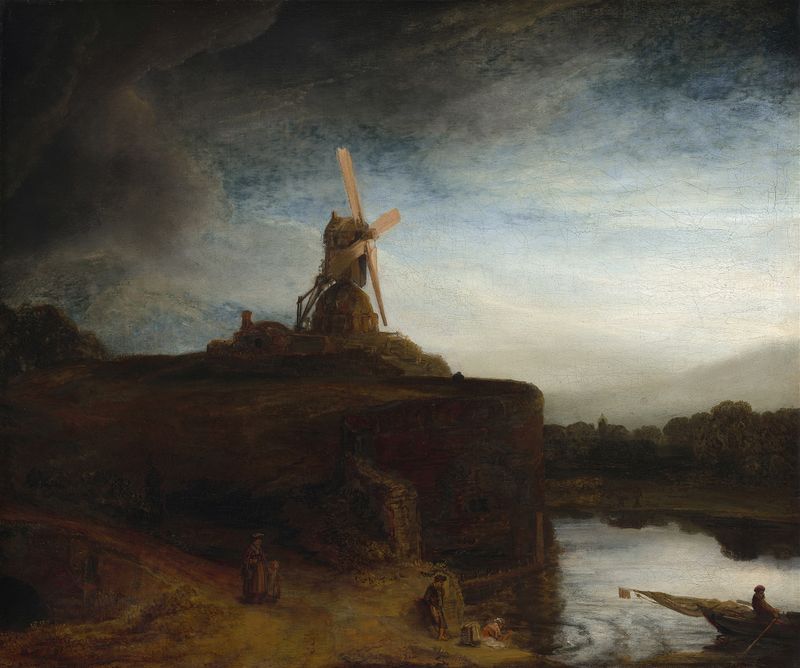
The Mill
Rembrandt van Rijn

The Sampling Officials of the Amsterdam Drapers’ Guild, Known as ‘The Syndics’
Rembrandt van Rijn

The return of the prodigal son
Rembrandt van Rijn
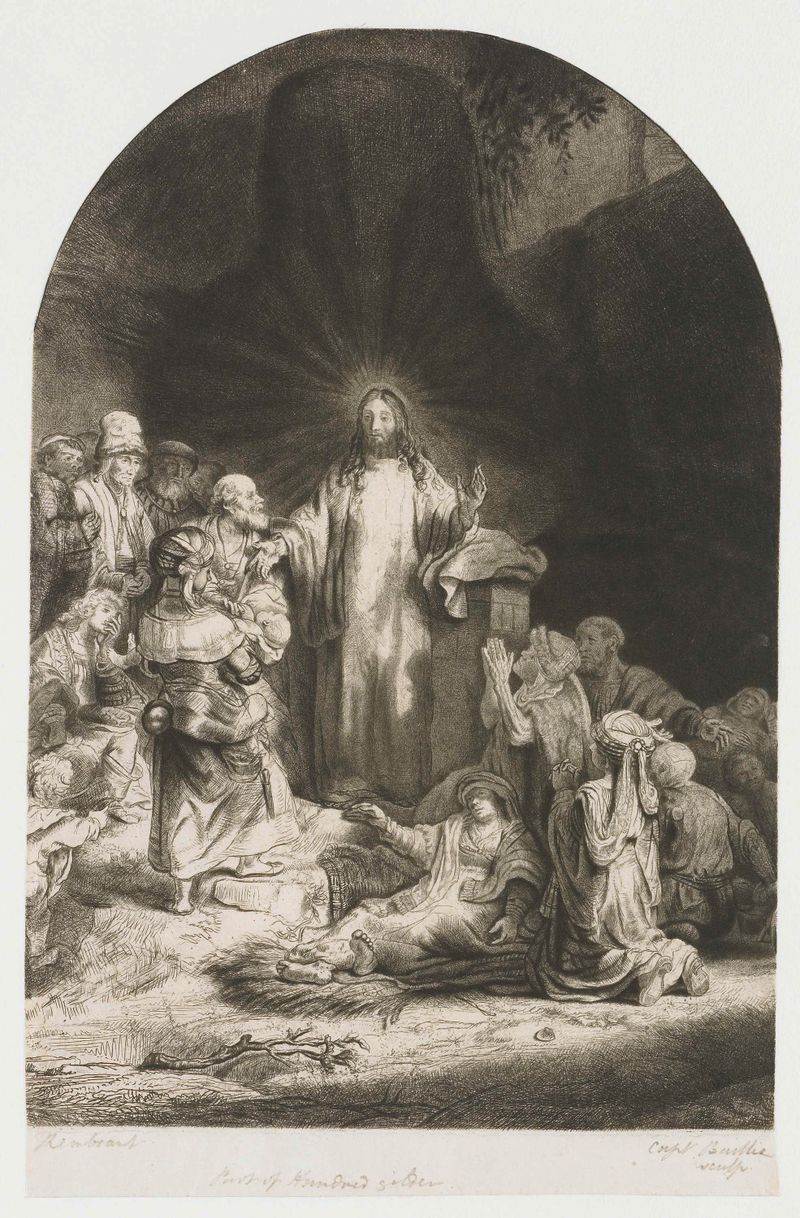
The Hundred Guilder Print: the central piece with Christ preaching, the plate arched
Rembrandt van Rijn

The Hundred Guilder Print: the man seen on the back in the lower left corner
Rembrandt van Rijn
More Religious Art
Browse all →The Return of the Prodigal Son
Rembrandt van Rijn

The Garden of Earthly Delights
El Bosco

Count Orgaz’ funeral
El Greco
The Hundred Guilder Print: the central piece with Christ preaching, the plate arched
Rembrandt van Rijn

The Descent from the Cross
Rogier van der Weyden
The return of the prodigal son
Rembrandt van Rijn