
The flight into Egypt: small — History & Facts
When did color learn to lie? The gentle hues of The flight into Egypt: small whisper a truth that transcends the canvas, offering a serene escape into a world quietly laden with emotion and hope. Look to the left at the tender embrace between Mary and the child, their figures enveloped in warm, golden tones that radiate the peace of their journey. Notice how the light falls upon the horses, casting a soft glow that enhances the ethereal quality of the night. The subtle gradations of color – from deep browns to luminous whites – create a harmonious balance that draws your eye across the composition, inviting you to linger in this tranquil moment. Yet beyond the calmness lies a tension; the shadows in the background hint at uncertainty and danger that loom over their path.
The juxtaposition of the serene faces with the darker, more chaotic elements of the landscape evokes a quiet resilience in the face of adversity. Each brushstroke tells a story of sacrifice and hope, reminding us that even in darkness, light can prevail. Rembrandt created this intimate piece in 1633, a period when he was gaining recognition for his masterful use of light and shadow. Living in Amsterdam, he was navigating the complexities of personal and professional challenges, yet he captured the essence of human experience with profound sensitivity.
This work reflects not only his artistic evolution but also the shifting tides in the world of art, as the Baroque movement sought to explore deeper emotional truths.
More Artworks by Rembrandt van Rijn
Browse all →
The Night Watch Militia Company of District II under the Command of Captain Frans Banninck Cocq
Rembrandt van Rijn

The Return of the Prodigal Son
Rembrandt van Rijn

The Hundred Guilder Print: the figures leaning on the wall in the centre left
Rembrandt van Rijn

The Hundred Guilder Print: the central piece with Christ preaching, the plate arched
Rembrandt van Rijn

Isaac and Rebecca, Known as ‘The Jewish Bride’
Rembrandt van Rijn
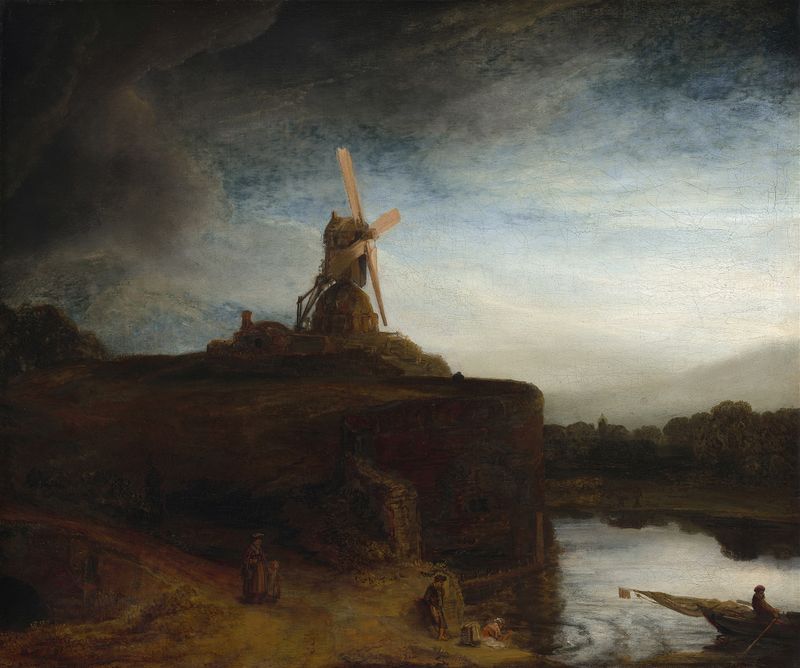
The Mill
Rembrandt van Rijn

The Sampling Officials of the Amsterdam Drapers’ Guild, Known as ‘The Syndics’
Rembrandt van Rijn

The return of the prodigal son
Rembrandt van Rijn
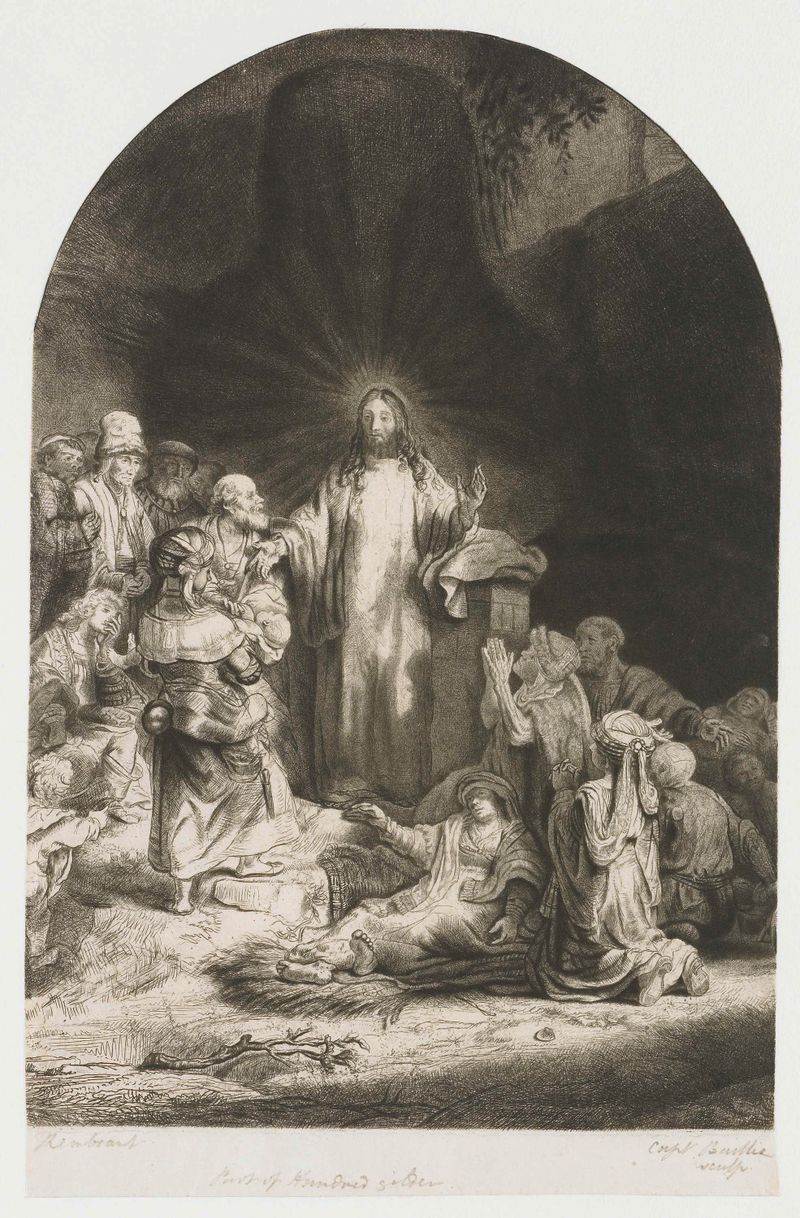
The Hundred Guilder Print: the central piece with Christ preaching, the plate arched
Rembrandt van Rijn

The Hundred Guilder Print: the man seen on the back in the lower left corner
Rembrandt van Rijn
More Religious Art
Browse all →The Return of the Prodigal Son
Rembrandt van Rijn

The Garden of Earthly Delights
El Bosco

Count Orgaz’ funeral
El Greco
The Hundred Guilder Print: the central piece with Christ preaching, the plate arched
Rembrandt van Rijn

The Descent from the Cross
Rogier van der Weyden
The return of the prodigal son
Rembrandt van Rijn