
The Former Winter Capital of Bhutan at Punakha Dzong — History & Facts
Is this a mirror — or a memory? A breathtaking moment captured, where the grandeur of nature collides with the strength of human endeavor, offering a glimpse into a world once untouched. Look at the majestic Punakha Dzong, its imposing structure rising from the canvas like a guardian of time. Notice how the sun casts warm golden hues against the deep shadows, breathing life into the whitewashed walls and intricate wooden balconies. The way the river twines around the fortress, reflecting an echo of the landscape, beckons the eye to wander through the delicate interplay of light and water. Within this scene lies a crucible of contrasts—the tranquil strength of the dzong juxtaposed against the flowing currents of the river, symbolizing the balance between permanence and transience.
Observe the meticulous brushwork that reveals the artist's devotion to the details of Bhutanese architecture, and how the surrounding verdure embraces the structure, creating a harmonious relationship between civilization and the natural world. Each stroke seems to whisper the reverence held for this sacred site, inviting introspection about the passage of time. Samuel Davis crafted this piece in 1783, a period characterized by European fascination with the exotic. As a British artist in India, he found himself deeply influenced by the landscapes and cultures around him.
It was a moment when the East began to filter into Western consciousness, and Davis's work served as a bridge between these worlds, capturing not just a visual representation but also the spirit of a place steeped in history.
More Artworks by Samuel Davis
Browse all →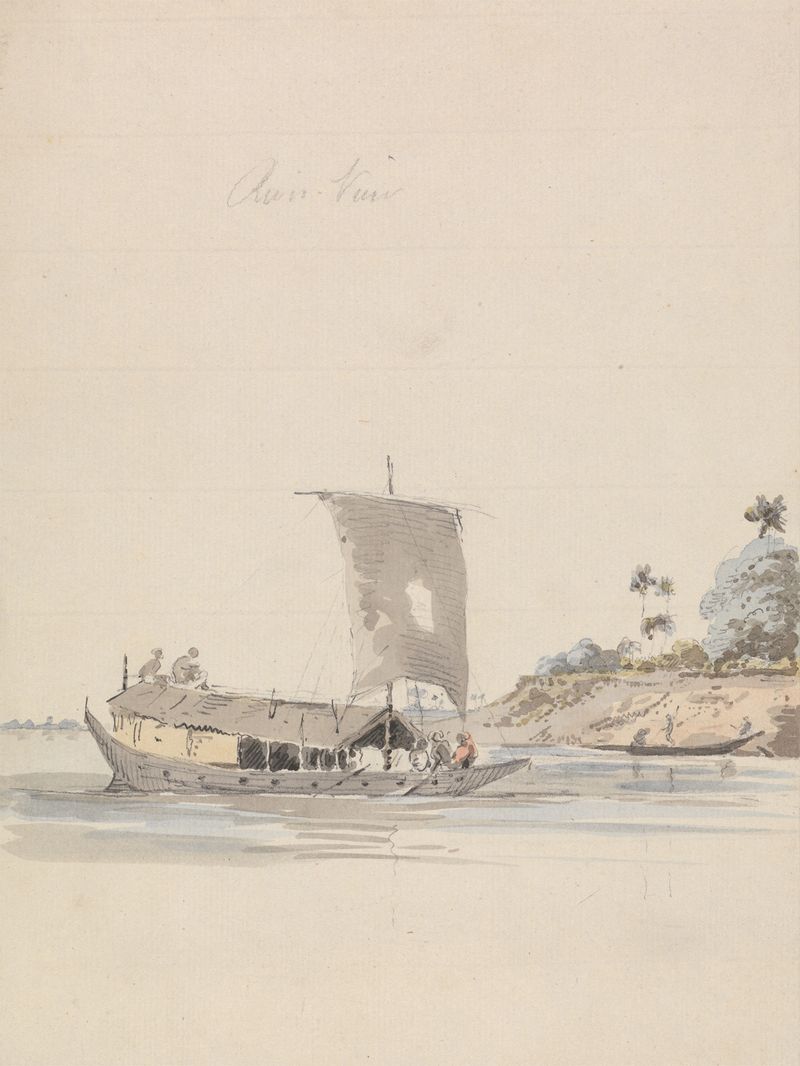
River View with a Junk (near Rajmahal)
Samuel Davis
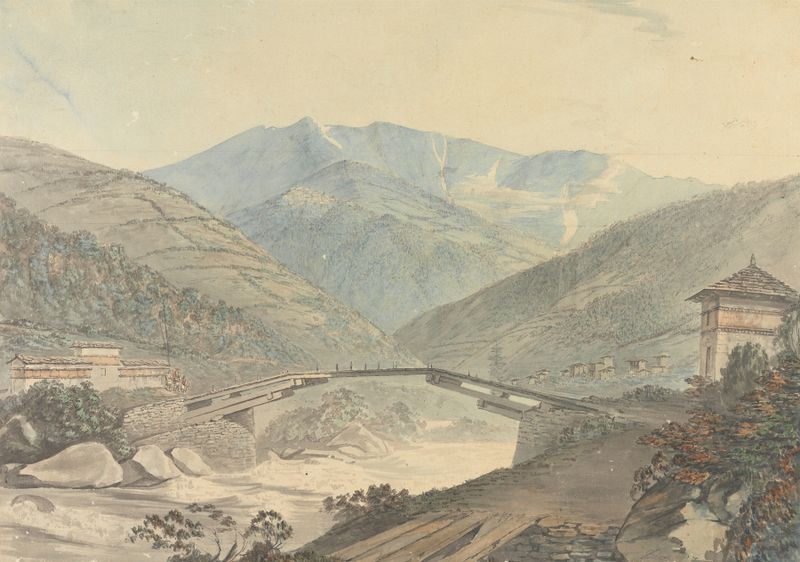
View near Tassisudon [Tashicho Dzong] in Bhutan
Samuel Davis
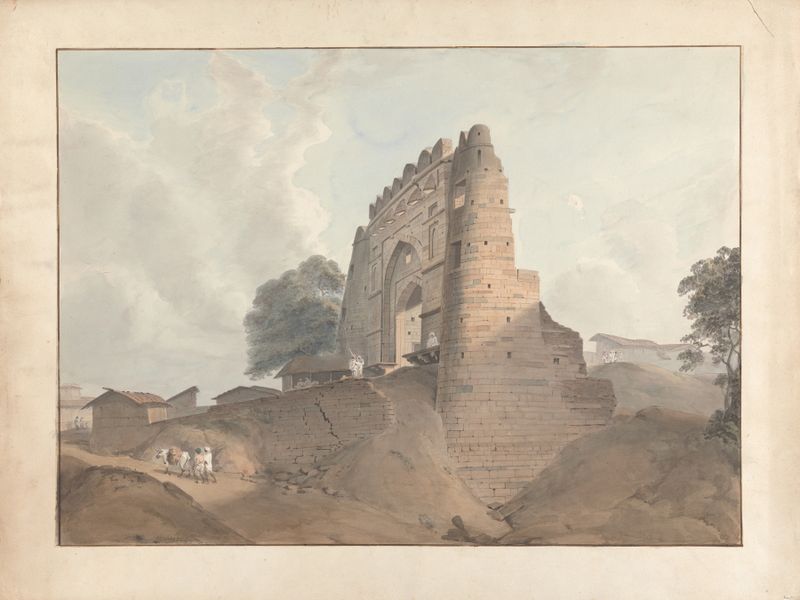
Gate of the Old Fort at Old Benares
Samuel Davis
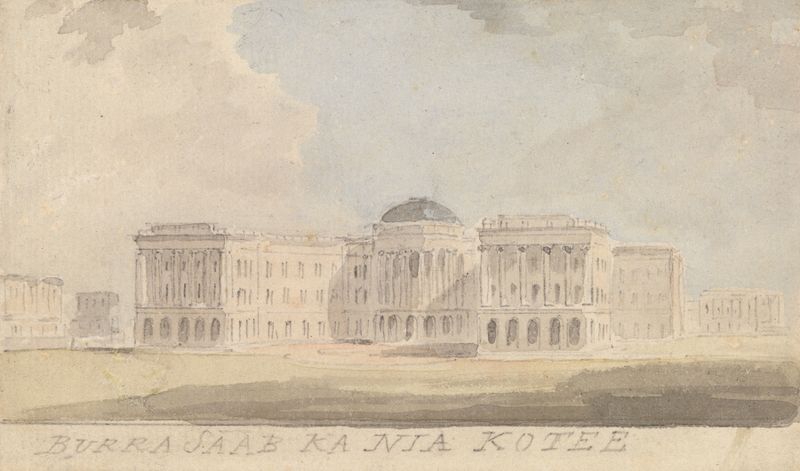
New Government House at Calcutta
Samuel Davis
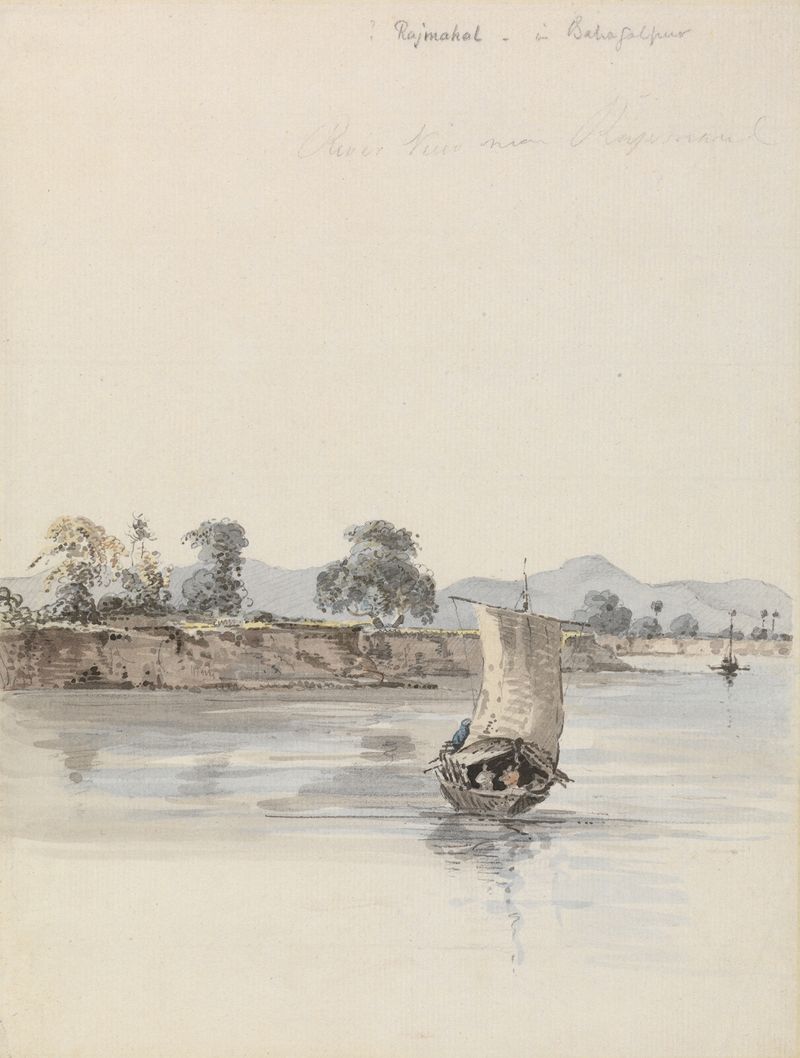
River View near Rajmahal
Samuel Davis
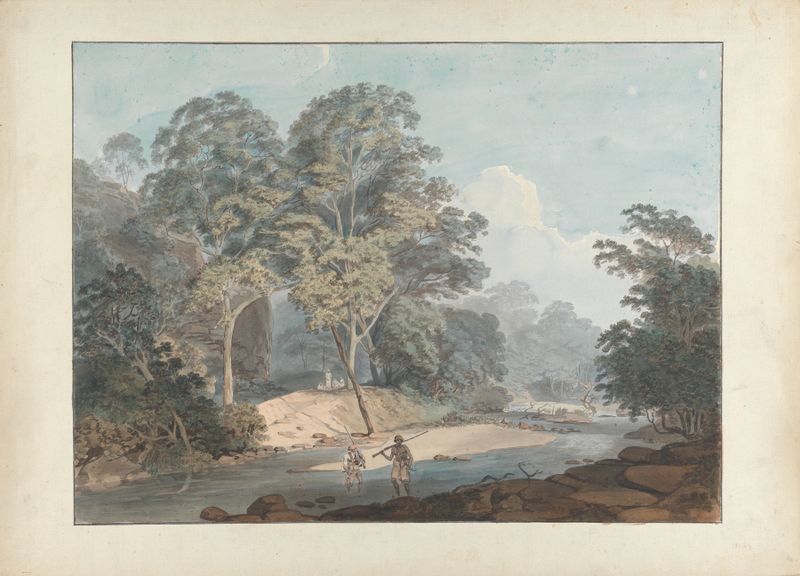
Rocky River Scene with Sepoys
Samuel Davis
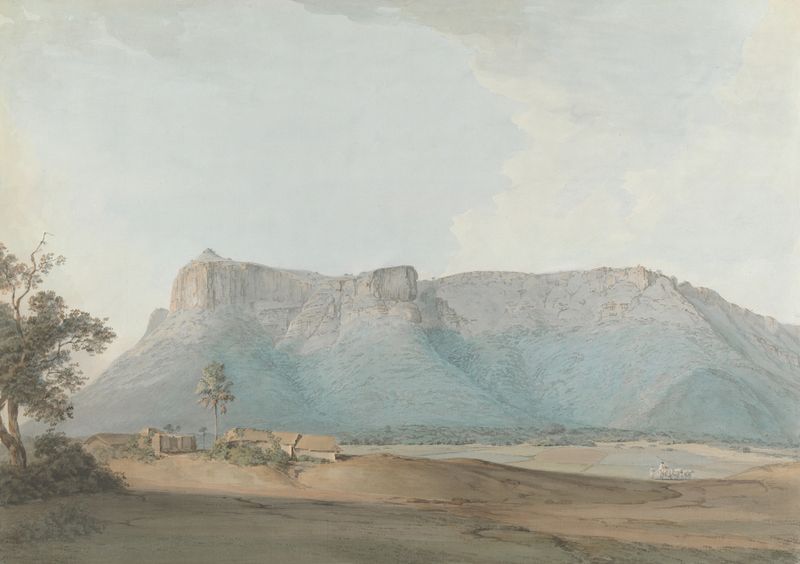
Rhotas from Akberpore
Samuel Davis
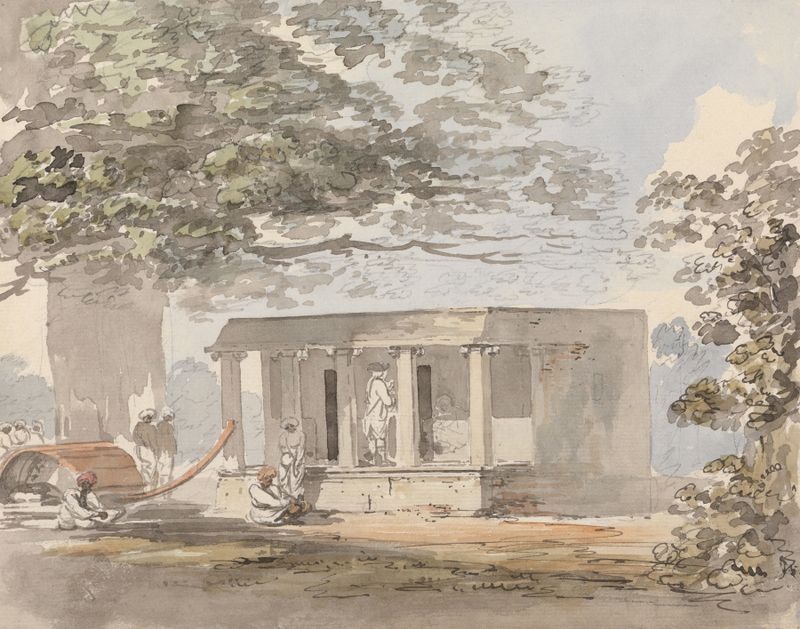
A European Gentleman Entering a Bungalow in India
Samuel Davis
West Country Town by a River
Samuel Davis
The Annual Resort of Hindoos to Mundar Hill near Bhagulpore [Bhagalpur]
Samuel Davis





