The Fountain of Neptune in Sevilla — History & Facts
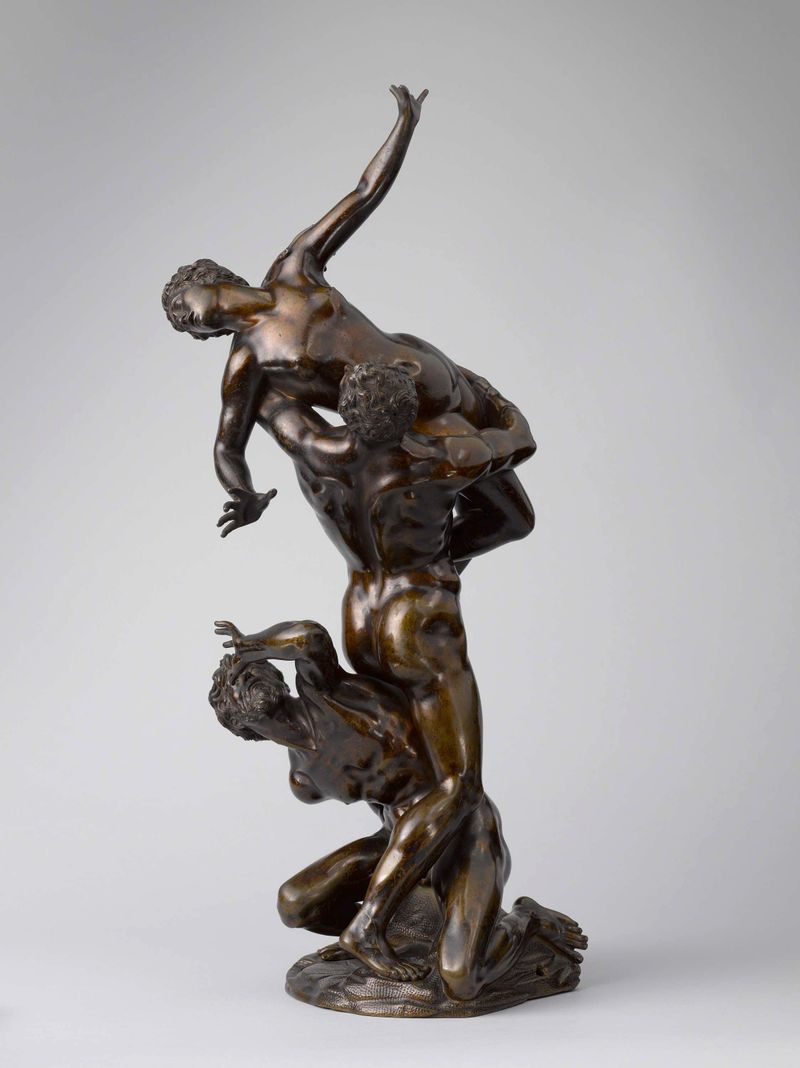
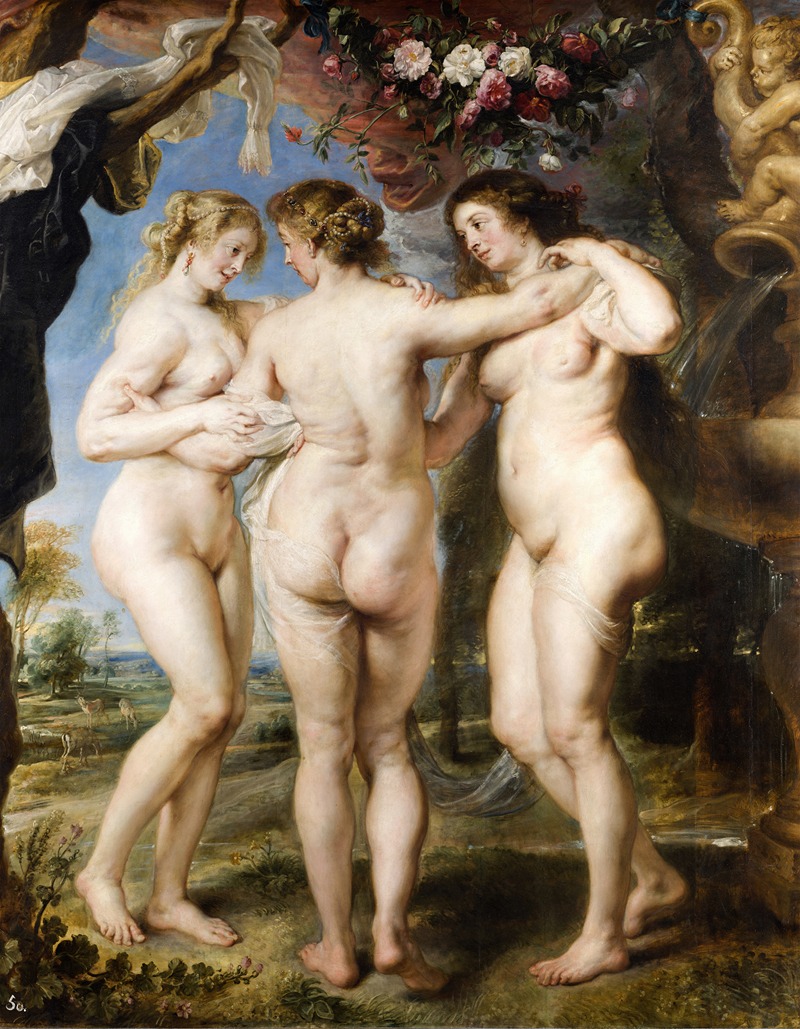
How do we measure the distance between water’s fluidity and the immobility of stone? In the eternal dance of transformation, the essence of life reveals itself, urging us to explore the delicate interplay between permanence and change. Look to the center of the composition where Neptune reigns with commanding grace, his trident poised as if to summon the waters. Surrounding him, robust cherubs cavort, their expressions a blend of mischief and reverence. The colors evoke a sunlit afternoon, with vibrancy accentuating the cool blues and warm earth tones.
Notice how the intricate details of the fountain's structure contrast with the soft, flowing curves of the figures, a testament to the artist’s skill in merging dynamic human form with solid architectural design. Hidden within the grandeur of this scene lies a deeper commentary on power and vulnerability. The aquatic god, an emblem of control, is juxtaposed with the ephemeral nature of the water he commands, inviting contemplation on dominion over nature. Each cherub, joyful yet fragile, symbolizes innocence and the fleeting moments of joy, reminding viewers of the transient nature of life itself.
This confluence of strength and fragility resonates, whispering truths about our own existence. Created during an era when the art world was shifting toward more expressive forms, the artist worked on this piece in an environment ripe with innovation. The absence of a specific date reflects the timelessness of the themes explored, yet it is clear that this work emerged from a context steeped in a dialogue about transformation, mirroring the artistic evolution of the time. The fountain stands as a testament not only to the skill of its creator but also to the enduring complexity of nature’s influence on humanity.
More Artworks by Ernst Schiess
Browse all →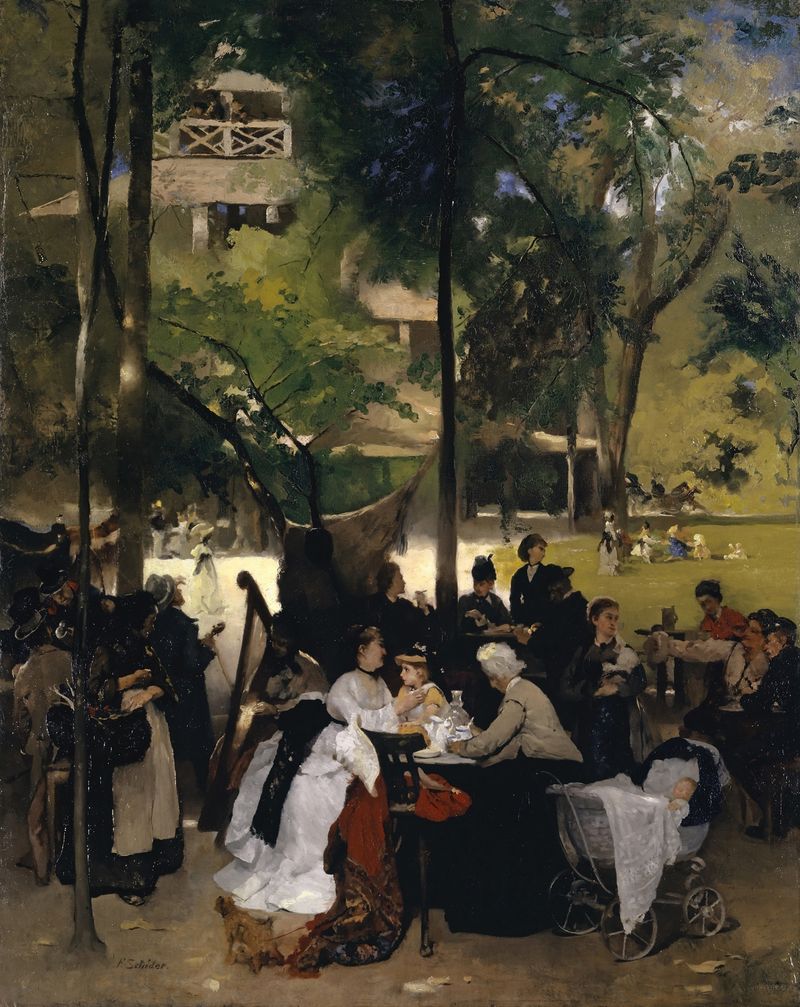
The Chinese Tower in the English Garden in Munich
Ernst Schiess

Evening Walk Above a Southern Lake
Ernst Schiess
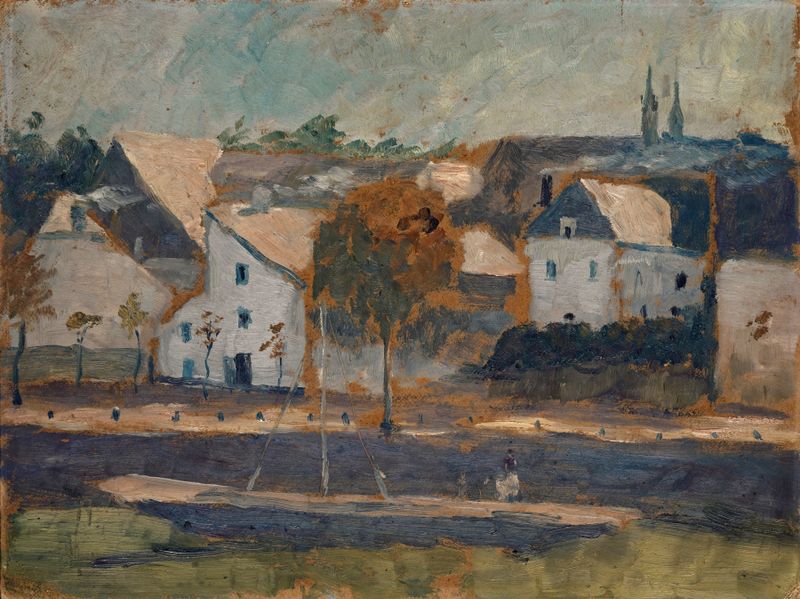
Kleine Stadt an Kanal
Ernst Schiess
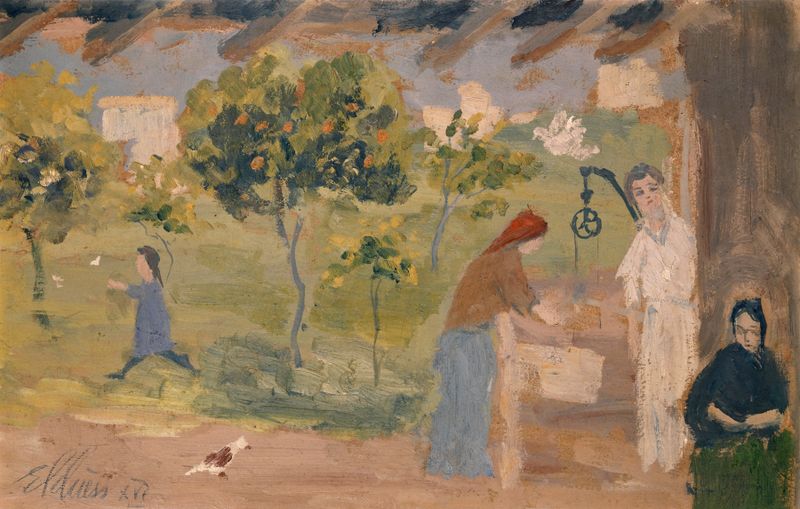
At the Fountain
Ernst Schiess

At the Harbour of Palma de Mallorca
Ernst Schiess
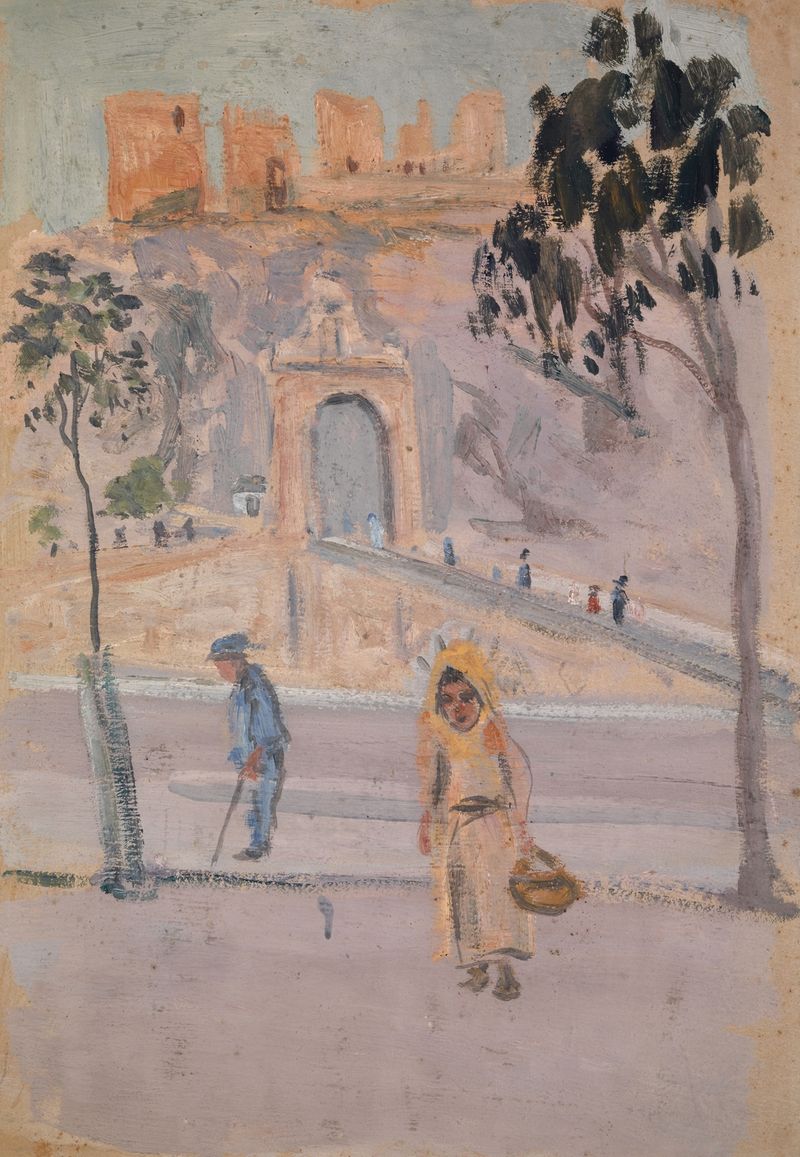
Alcantarabridge and Castillo de San Servando at Toledo
Ernst Schiess
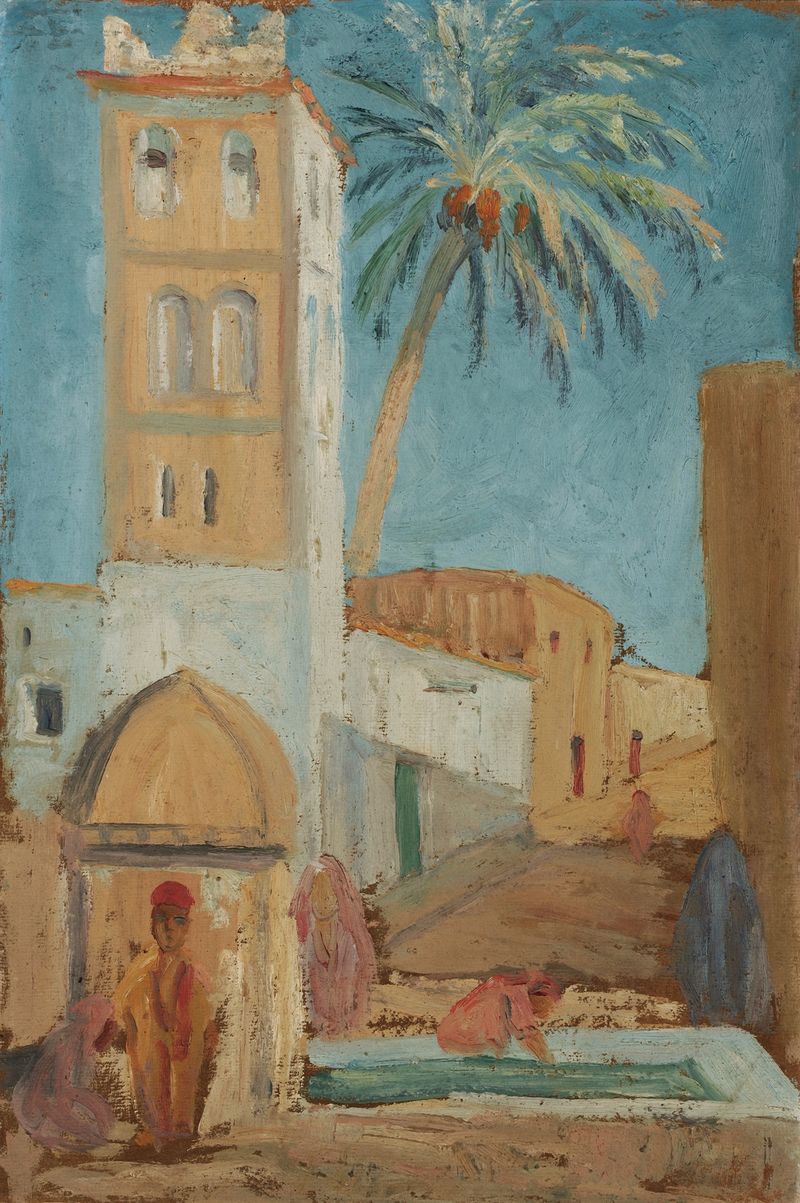
Scene at a Fountain in a Moroccan Place
Ernst Schiess
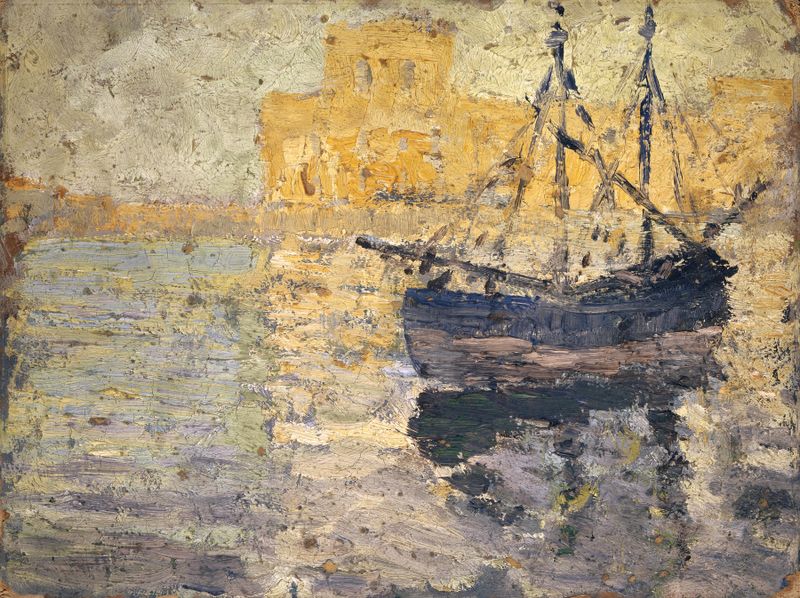
Harbour with Sailing Boat
Ernst Schiess
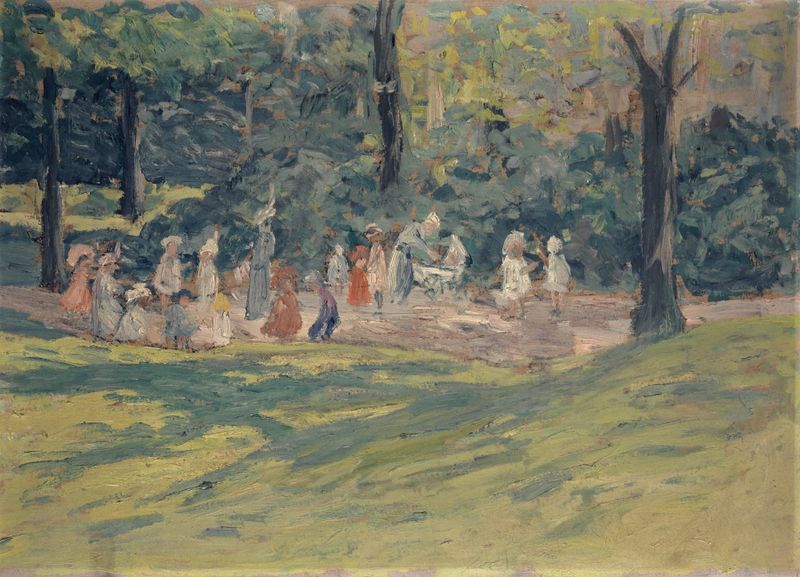
Children Playing in a Public Park
Ernst Schiess

Mohammedanischer Friedhof
Ernst Schiess