The Four Seasons — History & Facts
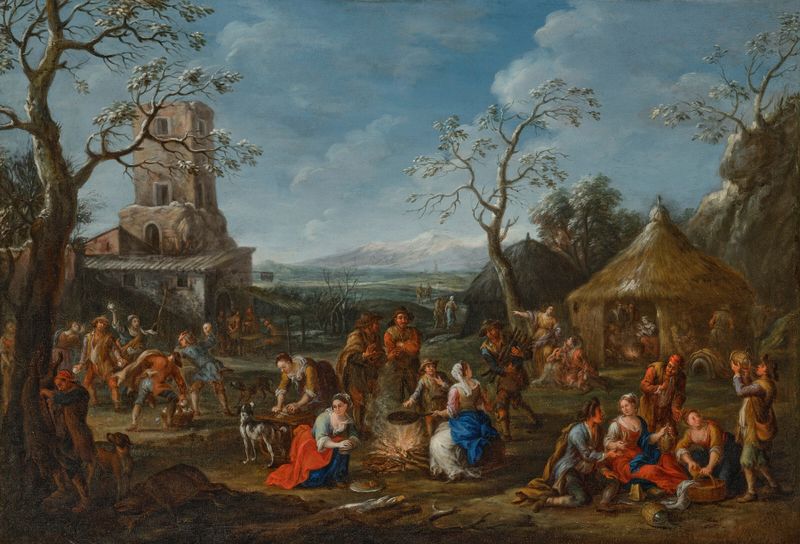
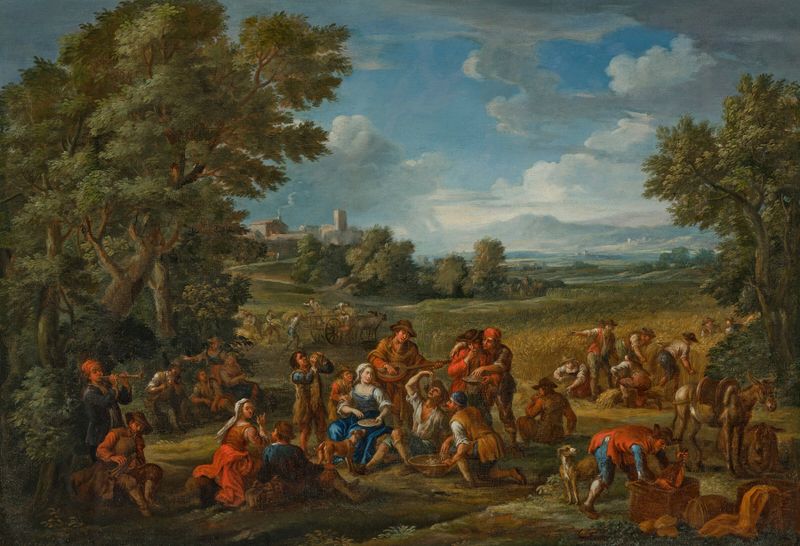
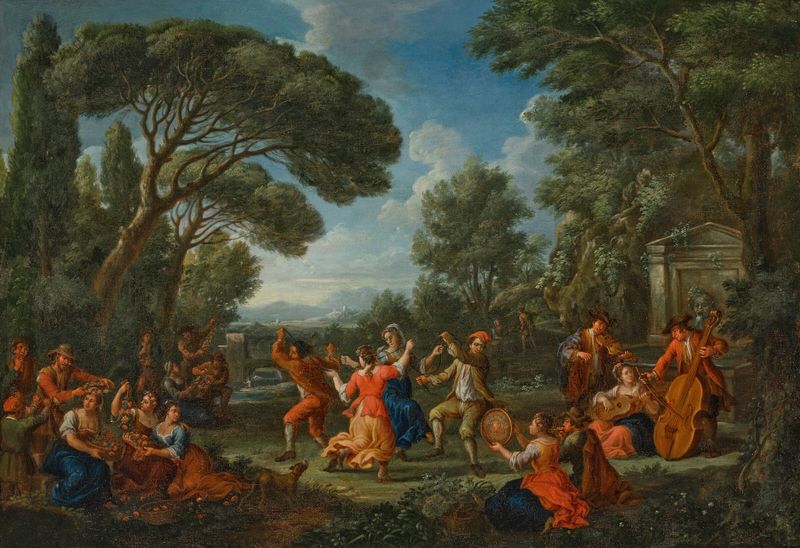
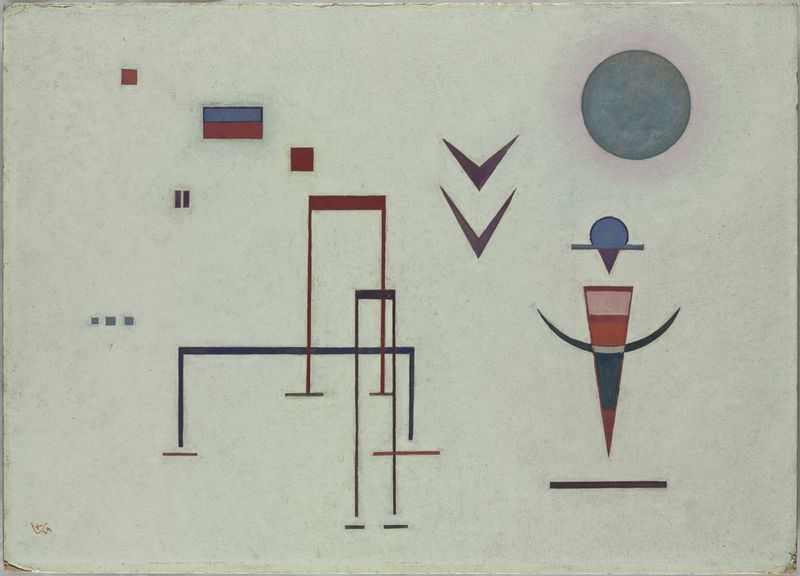
In the embrace of silence, the essence of fear intertwines with the passage of time, reminding us that every season carries a weight of existence we often overlook. Focus on the merging colors that swirl together, creating a visceral representation of the seasons. Look to the vibrant greens that bloom on the left side, brimming with life, before transitioning to the fiery oranges and reds of autumn. Notice how the muted grays and whites of winter culminate on the right, evoking a sense of cold dread.
The artist’s brushwork creates a rhythmic flow, guiding the viewer through this cyclical journey, yet there’s an underlying tension that lingers in the air, as though the seasons are caught in a continuous struggle between flourishing and fading. The juxtaposition of vibrant life against the encroaching stillness of winter speaks to the profound fear of loss inherent in all transitions. These changes are not merely seasonal; they reflect the fragility of joy and the inevitability of sorrow. Each element captures fleeting moments—beauty intertwined with the dread of decay—inviting contemplation on how we confront both the joy and the fear that life’s cycles bring. Giovanni Reder created this work during a period marked by introspection and a shift in the art world toward deeper emotional expression.
While the exact date remains uncertain, the work echoes the sentiments of the late 19th and early 20th centuries, a time when many artists were exploring the complexities of human experience through their craft. The world was emerging from tumultuous changes, and Reder’s art reflects a burgeoning awareness of the emotional landscapes that define our existence.