The Four Seasons — History & Facts
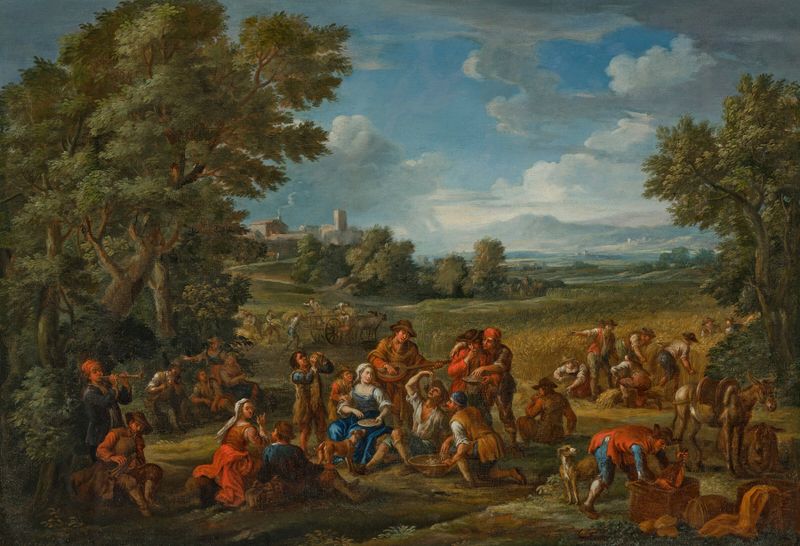
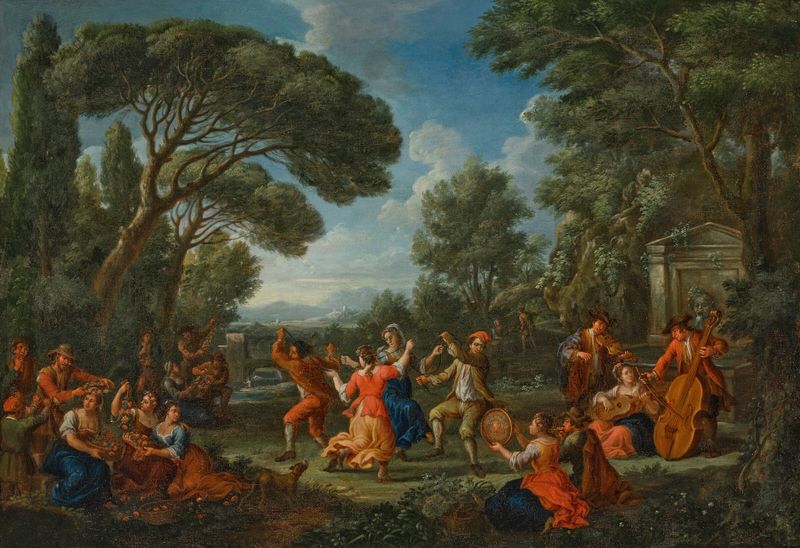
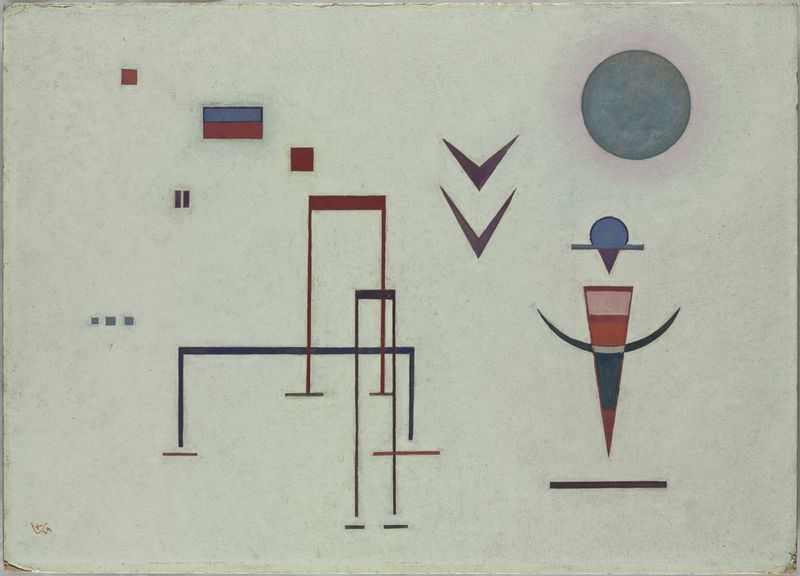
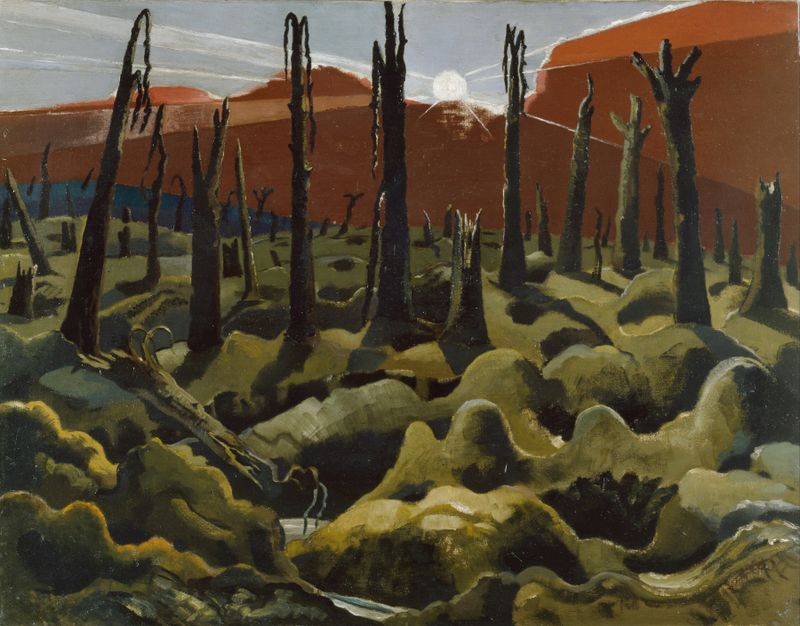
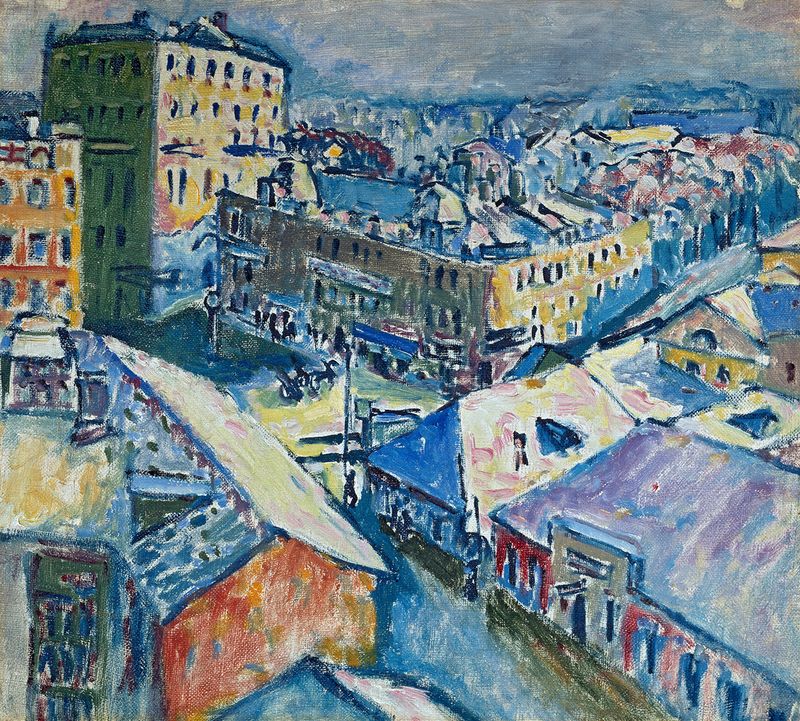
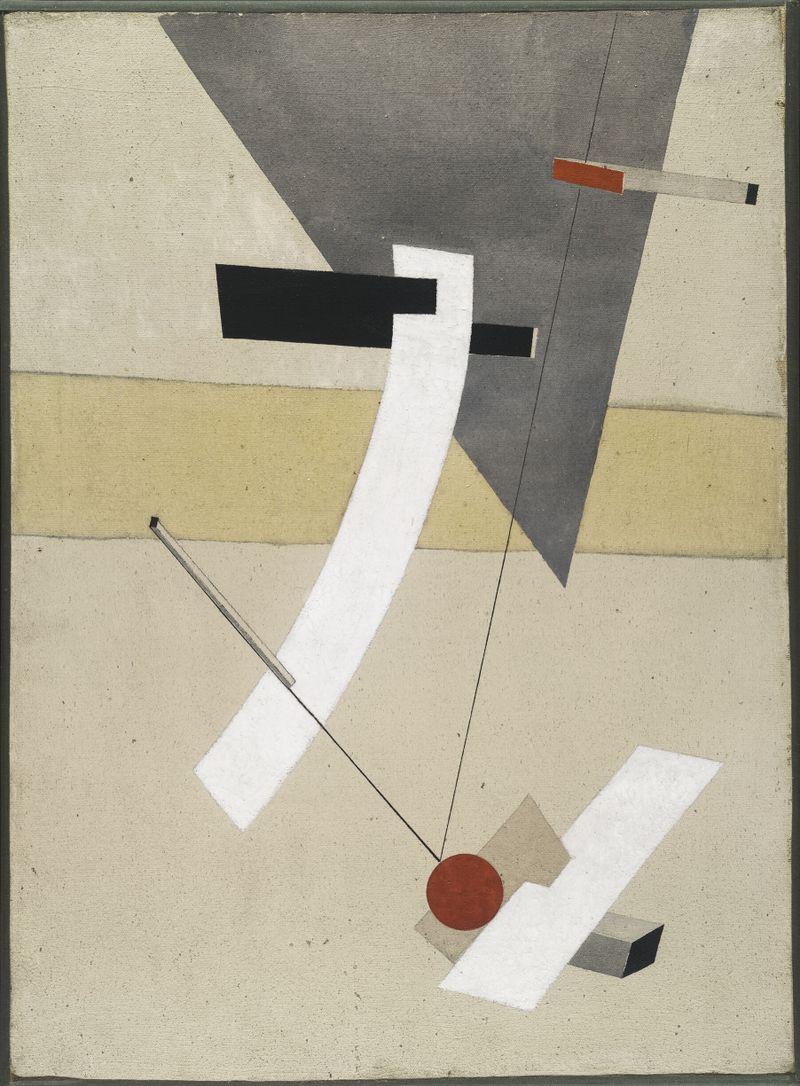
This sentiment mirrors the quiet yearning that seeps through the canvas, where each hue whispers of seasons past and the passage of time. Look closely at the vibrant bursts of color that delineate each season across the piece. The warmth of oranges and yellows in the summer section contrasts sharply with the cool blues and grays of winter, creating a visual symphony. The artist’s meticulous brushwork invites the viewer to trace the transition from one season to another, revealing not just a change in temperature, but a deeper emotional cadence that resonates through the landscape. As you move through the four segments, consider how the depiction of nature mirrors the human experience.
The blossoming flowers of spring carry an air of optimism that feels fleeting, while the barren trees of winter evoke a sense of solitude and reflection. This interplay of life and decay illustrates an undercurrent of longing—an eternal desire for connection and the bittersweet acceptance of change. The tension between the seasons captures the cycle of hope and despair that defines existence. Giovanni Reder painted The Four Seasons during a time when the world was undergoing significant shifts in artistic expression.
Although the exact date remains unknown, it is likely that this work emerged in the late 19th or early 20th century, a period marked by a burgeoning interest in the emotional resonance of color and nature. Amidst a backdrop of burgeoning modernism, Reder's exploration of seasonal transitions reflects both a personal and universal quest for understanding the rhythms of life.